
Volume-Only Hair Extensions: Fuller Hair Without the Extra Length
Extensions Are Not Only About Length
When most people picture hair extensions, they picture long hair, the kind that falls well past the shoulders. But a growing number of clients come in with a different request: they like their length, they just wish their hair looked thicker. Their ends look thin or see-through, their haircut falls flat by midday, or a ponytail is smaller than it used to be. Volume-only extensions are made for exactly this. They add fullness at your current length, so your hair looks thicker and healthier without looking longer. This guide explains who they are for, how they differ from a traditional length install, which methods work best, and how they pair with the bobs, lobs, and layered cuts that are popular right now.
Who Asks for Volume-Only Extensions, and Why
The clients who ask for volume rather than length tend to share a few things in common.
Fine or thinning hair. Hair that is naturally fine, or that has become thinner over time, often looks full at the root and see-through at the ends. Volume extensions fill in that gap so the hair looks even from top to bottom.
Hair that has thinned after a change. Hormonal shifts, stress, and the months after having a baby can all lead to shedding. The postpartum hair guide covers what is normal during that time. Once the shedding settles, some clients want to add fullness while their own hair grows back in.
Damaged or broken ends. Years of lightening or heat styling can leave the ends thinner than the rest of the hair. Instead of cutting off several inches to get a blunt, healthy-looking line, extensions can fill in the ends at the current length.
People who love a shorter cut. Bobs, lobs, and layered shoulder-length styles are trending, but they only look their best with enough hair to hold their shape. Many people who wear these cuts want more body, not more length.
First-time extension wearers who want a subtle change. Volume is often the easiest way to try extensions. The change is noticeable, but it does not look like a dramatic transformation, so the hair simply looks like a better version of your own.
How a Volume Install Differs From a Length Install
Volume extensions use the same methods as length extensions. What changes is how much hair is used, how long the pieces are, and where they are placed.
Less Hair, Placed With Purpose
A length install has to blend new hair into your natural hair all the way to the new ends, which usually takes more hair. A volume install only needs to thicken what you already have, so it typically uses less. The exact amount depends on how fine your hair is and how much fullness you want, and the guide to how many grams of hair you need explains how your stylist works that out.
Shorter Pieces, Matched to Your Length
For volume, the extension hair is chosen or cut to finish at or just around your natural length. That keeps the ends thick and blunt instead of creating a longer, separate layer underneath. The extensions are then cut into your haircut so they move with it, which is what keeps the result from looking added on.
Placement Where Hair Looks Thin
With a length install, extensions are spread through the head to carry weight down to the new ends. With a volume install, placement is focused on where your hair looks thinnest. That is often the lower and middle sections at the back and sides, where the ends tend to look sparse, and sometimes around the face for added body. Every placement still has to stay hidden when your hair moves, which matters even more with shorter hair, because there is less length to cover the attachments.

The Best Methods for Adding Fullness at Your Current Length
Every method can be used for volume. The right one depends on how fine your hair is, how short you wear it, and how you style it day to day. Your stylist will recommend a method at your consultation, but here is how each one tends to work for a volume-focused install.
Keratin Bonds
Keratin bonds attach small strands of hair individually. Because each bond is tiny, they can be placed exactly where the hair looks thin, and they move freely in every direction. That makes them a strong choice for shorter hair and for clients who wear their hair up, where flat wefts could be harder to hide.
Tape-Ins
Tape-ins are thin, flat panels that lie close to the head. They are lightweight and quick to install, which makes them a common starting point for first-time volume clients. On shorter cuts, placement needs care so the tapes stay covered when the hair moves or is tucked behind the ears.
Micro Beads
Micro beads attach small strands with a tiny bead and no heat or adhesive. Like keratin bonds, they allow precise placement in thin areas, and they can be moved up during maintenance as your hair grows.
Hand-Tied Wefts
Hand-tied wefts add a lot of fullness in a single row and are very flat against the head. They are often a good option for clients who want a noticeable boost in thickness through the back and sides. They work best when there is enough natural hair above the row to cover it, so they suit lobs and shoulder-length cuts more often than very short bobs.
Whatever the method, the extension hair should be a close match to your own color and texture. With volume, the extensions sit right beside your natural ends, so any difference in tone or texture is easier to see. The guide on why some extensions look fake explains why color matching and blending matter so much.
Pairing Volume Extensions With Bobs, Lobs, and Layered Cuts
Shorter, layered cuts are everywhere right now, and they are where volume extensions make the biggest visible difference. The key is that the extensions and the haircut are planned together.
Bobs
A bob relies on a full, blunt perimeter. When hair is fine, that line can look thin and wispy. Volume extensions can rebuild the weight at the ends so the bob holds its shape. Because there is less hair to hide the attachments, very short bobs need precise, careful placement, and not every bob length is a fit for every method. Your stylist will tell you honestly whether your length works.
Lobs and Shoulder-Length Cuts
The lob is one of the easiest lengths to pair with volume extensions. There is enough hair to cover the attachments comfortably, and the extensions can be cut into the shape so the ends look thick and even. This is often where clients see the most dramatic difference for the least amount of hair.
Layered Cuts
Layers create movement, but on fine hair they can also remove too much weight and leave the ends looking thin. Volume extensions can keep the movement of the layers while adding body back underneath. The extensions are cut into the layers so they blend into the shape rather than sitting as a separate section.
Cut and Install Together
The best results come from cutting the extensions and your natural hair as one shape after the install. If you are planning a new cut, book it with your extension appointment rather than separately. The guide to getting a haircut that works with your texture covers how texture shapes the right cut.
What the Result Looks Like
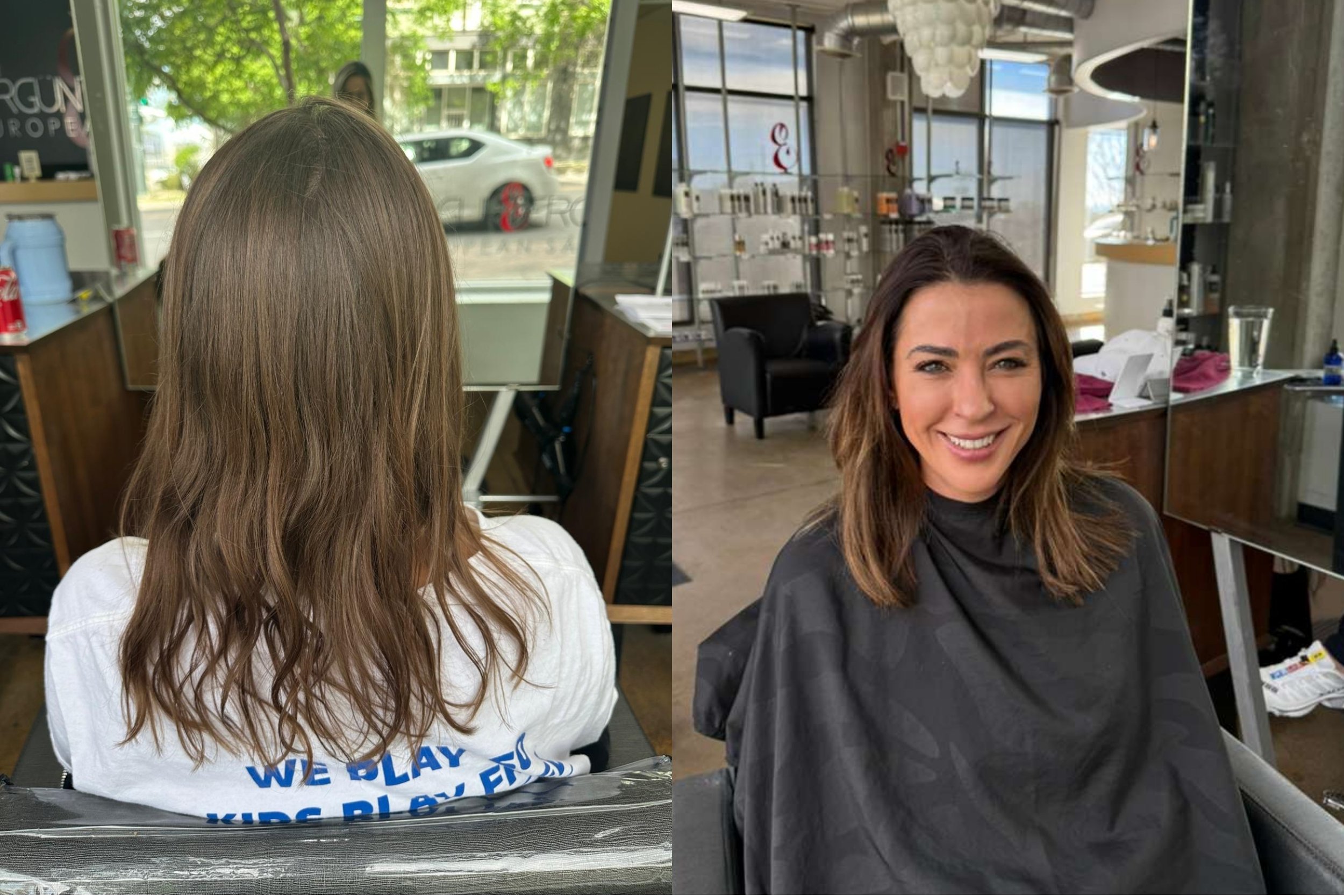
The goal of a volume install is that people notice your hair looks great, not that you are wearing extensions. The length stays about the same. What changes is how the hair looks and moves:
The ends look thick and even instead of thin or see-through.
A bob or lob holds its shape instead of falling flat.
Ponytails and updos look fuller.
Styles like waves and curls have more body and last longer.
Caring for Volume Extensions in Denver
Volume extensions follow the same care routine as any extension install, with a few points worth noting for shorter hair and Denver's climate.
Keep the ends conditioned. Denver's dry air pulls moisture from the hair, and extension hair does not get natural oils from your scalp. A lightweight leave-in through the mid-lengths and ends, kept away from the attachments, keeps the hair soft and helps it blend.
Watch for hard water buildup. Minerals from Denver's water can make extension hair feel rough and look dull next to your natural hair. The hard water guide explains how to manage it.
Keep up with maintenance. With shorter hair, attachments become visible sooner as your hair grows, so staying on schedule with move-ups matters more. Your stylist will tell you how often your method needs maintenance.
Brush gently from the ends up. Hold the hair at the base of each section while brushing so you do not pull on the attachments.
Fuller Hair, Same Length You Love
You do not have to want long hair to benefit from extensions. If you like your length but wish your hair looked thicker, fuller, and healthier at the ends, volume extensions are designed for exactly that. With fewer grams, pieces matched to your length, and careful placement, the result looks like your own hair at its best.
If you are curious whether volume extensions would work for your hair and your cut, book a consultation at Ergun Tercan Salon in Denver. Our extension specialists will look at your hair, talk through the right method and amount, and plan the cut and install together. You can also explore all of our hair extension methods before your visit.
Frequently Asked Questions About Volume Hair Extensions
Can you get hair extensions for volume and not length?
Yes. Volume-only extensions use pieces matched to your current length, so they add thickness without making your hair longer. They are placed where your hair looks thinnest and then cut into your haircut so the result blends naturally.
How many grams of hair do I need for volume extensions?
Volume installs usually use less hair than length installs, because they only need to thicken the hair you already have. The exact amount depends on how fine your hair is and how much fullness you want, and your stylist will recommend it at your consultation.
What is the best extension method for volume?
It depends on your hair and your cut. Keratin bonds and micro beads allow precise placement and suit shorter hair well. Tape-ins are lightweight and a common first choice. Hand-tied wefts add a lot of fullness and work well on lobs and shoulder-length hair. Your stylist will recommend the method that fits your hair and lifestyle.
Can I get extensions with a bob?
Often, yes. Extensions can rebuild the weight at the ends of a bob so it holds its shape. Very short bobs have less hair to hide the attachments, so placement has to be precise, and not every method suits every bob length. A consultation is the best way to find out what works for your length.
Will volume extensions look natural?
They should. Because the length barely changes, the result reads as thicker, healthier hair rather than extensions. Natural-looking results depend on a close color and texture match, careful placement, and cutting the extensions into your haircut.
Are volume extensions good for fine or thinning hair?
They are one of the most common reasons clients choose them. The method and amount of hair need to suit how much your natural hair can comfortably support, which your stylist will assess at the consultation. If you have noticed sudden or significant hair loss, it is worth speaking with a doctor first to understand the cause.
How long do volume extensions last?
The hair itself can last through several maintenance appointments with good care. How often you need maintenance depends on the method and how fast your hair grows. With shorter hair, attachments can become visible sooner, so keeping up with your schedule matters.
Related Reads
If This Got You Thinking, These Are Worth Reading Next