
The Most Popular Men's Haircuts Right Now
Men's Hair Trends in 2026
The most requested men's haircuts right now are the textured crop, the modern soft taper, mid-length natural styles, and updated variations of the buzz cut. Classic cuts like the side part are also returning, updated with softer texture and less product than the versions popular a decade ago. Across all of them, the common thread is natural movement and low daily maintenance over precision styling that requires significant product and effort to hold.
What Is Actually Driving Men's Hair Trends Right Now
Men's hair has shifted significantly over the past few years, and the direction is not toward more complexity. The dominant trend is toward hair that looks intentional without looking like it took effort. Clean lines, natural texture, and cuts that work with how the hair actually grows rather than against it.
This shift is partly aesthetic and partly practical. More men are paying attention to how their hair holds up between cuts, not just how it looks walking out of the salon. A cut that looks great on day one and falls apart by day five is no longer what most clients are looking for. The cuts that are consistently most requested are the ones that stay looking decent for several weeks without needing daily intervention.
The lifestyle that goes with this also matters. Styles that require high-maintenance product use or daily restyling do not work for men who spend a lot of time outdoors, travel frequently, or simply do not want their hair to be the first thing they think about every morning.
Haircuts that Are Consistently Most Requested
The Textured Crop
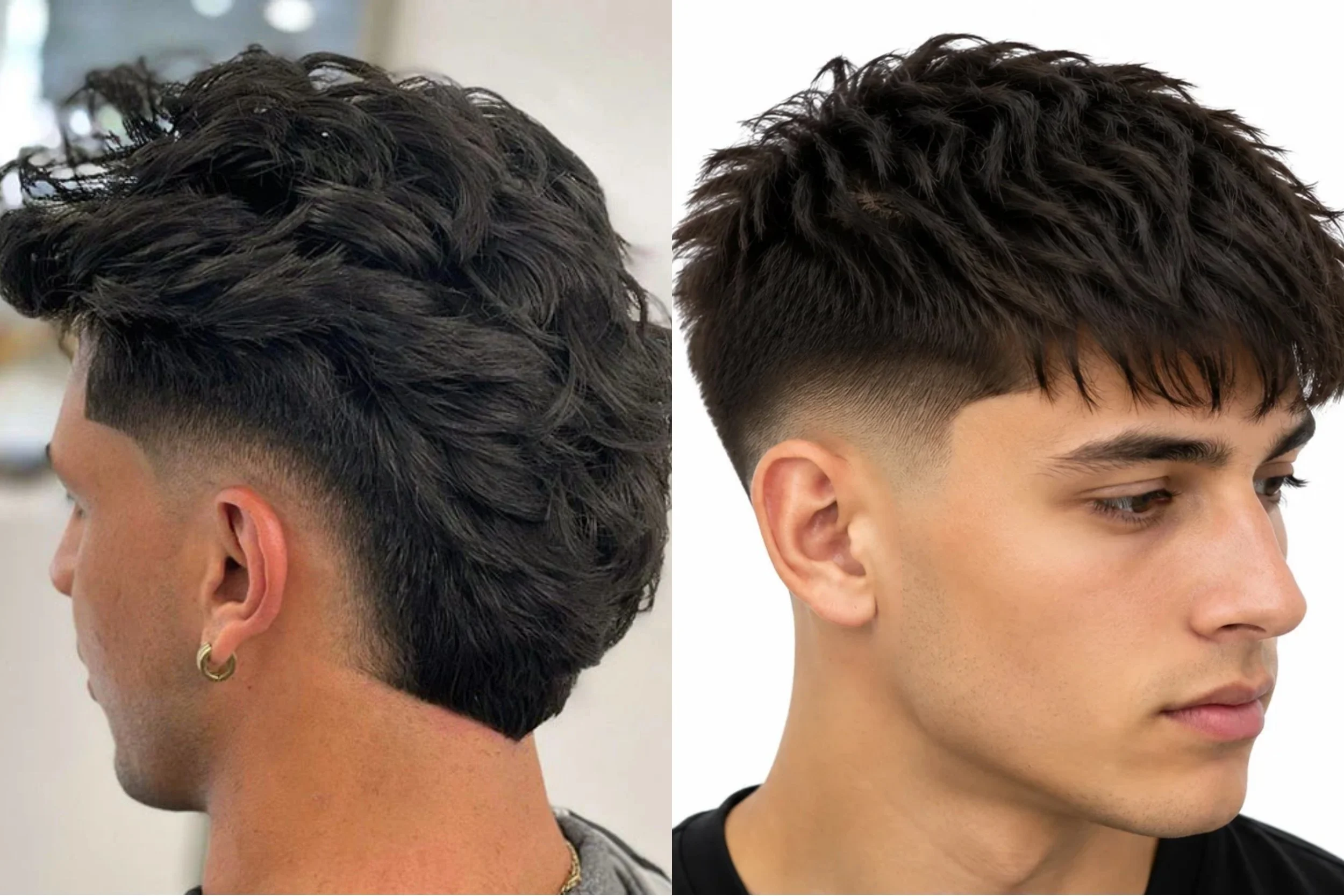
The textured crop is one of the most requested men's haircuts across most age groups right now. It sits relatively short on the back and sides, with length kept through the top that is cut to encourage natural texture rather than lie flat. The defining quality is that the top is worked with scissors to create movement and separation without looking intentionally styled.
What makes the textured crop work across different face shapes and hair types is its flexibility. On straight hair it sits clean and modern. On wavy or curly hair it allows the natural texture to come through in a way that looks deliberate. The cut requires minimal product to look finished, usually a small amount of matte paste or nothing at all, which is a large part of why it has stayed consistently requested rather than fading as a trend.
The Modern Soft Taper
The taper is not new, but the version being requested now is different from the sharp, high-skin-fade version that dominated for several years. The modern taper is lower and softer, with a more gradual transition from short to shorter rather than a hard line between skin and hair.
This approach blends more naturally into the hairline and looks less maintenance-dependent as it grows out. The hard fade required very frequent touch-ups to stay looking intentional. The softer taper stays presentable significantly longer, which is one of the primary reasons it has replaced the high fade as the default request for many clients.
The Longer, More Natural Look
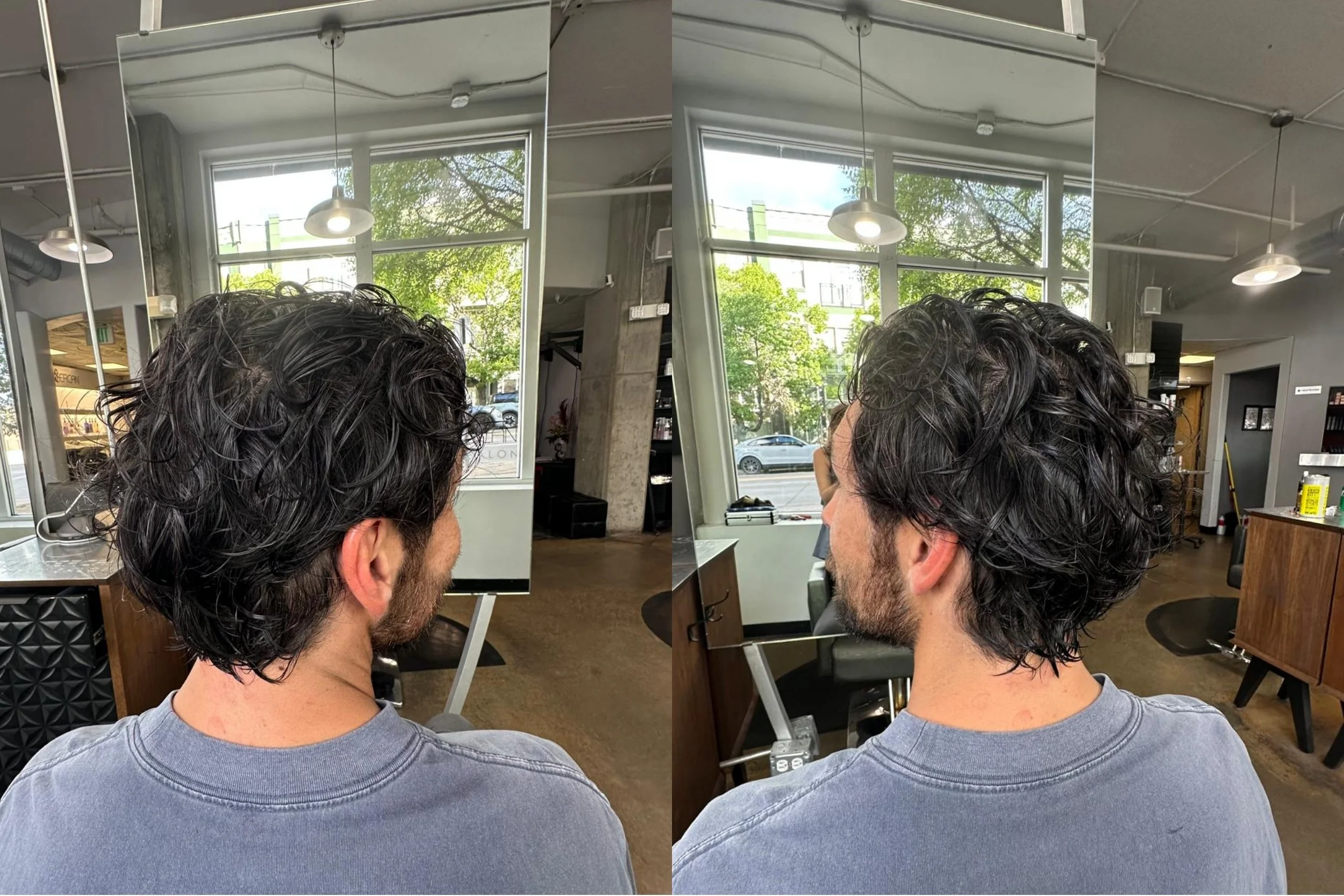
Longer men's hair is genuinely back, but it is not the same version that cycled through trends in previous decades. What is being requested now is hair that sits somewhere between above the ear and the collar, kept with enough shape to look intentional but with enough length to move naturally. The styling approach is almost always minimal: air-dried or briefly worked with a dryer and fingers, little to no product.
Managing this length well requires a cut that accounts for how the hair grows and where it wants to go, rather than a cut that imposes a shape on it. Men with natural wave or curl tend to look particularly good at this length because the texture adds dimension that shorter cuts cannot achieve. For men who have avoided longer lengths because of frizz or unpredictability, a keratin smoothing treatment reduces frizz significantly and makes the length far more manageable day to day without changing the natural texture.
The Buzz Cut and Its Variations
The buzz cut has never really gone away, but the version being worn now is more considered than the uniform all-over clip that used to define it. Variations with slightly more length through the top, or a subtle taper at the sides rather than a uniform grade, give it more dimension while keeping the ease of maintenance that makes it appealing.
For men dealing with thinning hair, a well-executed buzz cut removes the contrast between thinning areas and denser areas that makes thinning most visible. It is one of the most practical approaches to hair loss when the alternative is a longer style that requires constant management to minimize the appearance of thinning.
The Classic Side Part, Modernized
The side part is coming back, but the version being worn now is softer and less structured than the heavily pomaded, rigidly parted versions from previous cycles. The modern side part is worn with lighter product or none at all, with the part defined by the cut itself rather than held in place by heavy hold cream.
It works particularly well for men with straight to slightly wavy hair who want a clean, professional look without the effort of daily restyling. Unlike the slicked-back, high-shine version, this one settles naturally and still looks intentional toward the end of the day rather than only at the start of it.
What Actually Makes a Men's Haircut Work
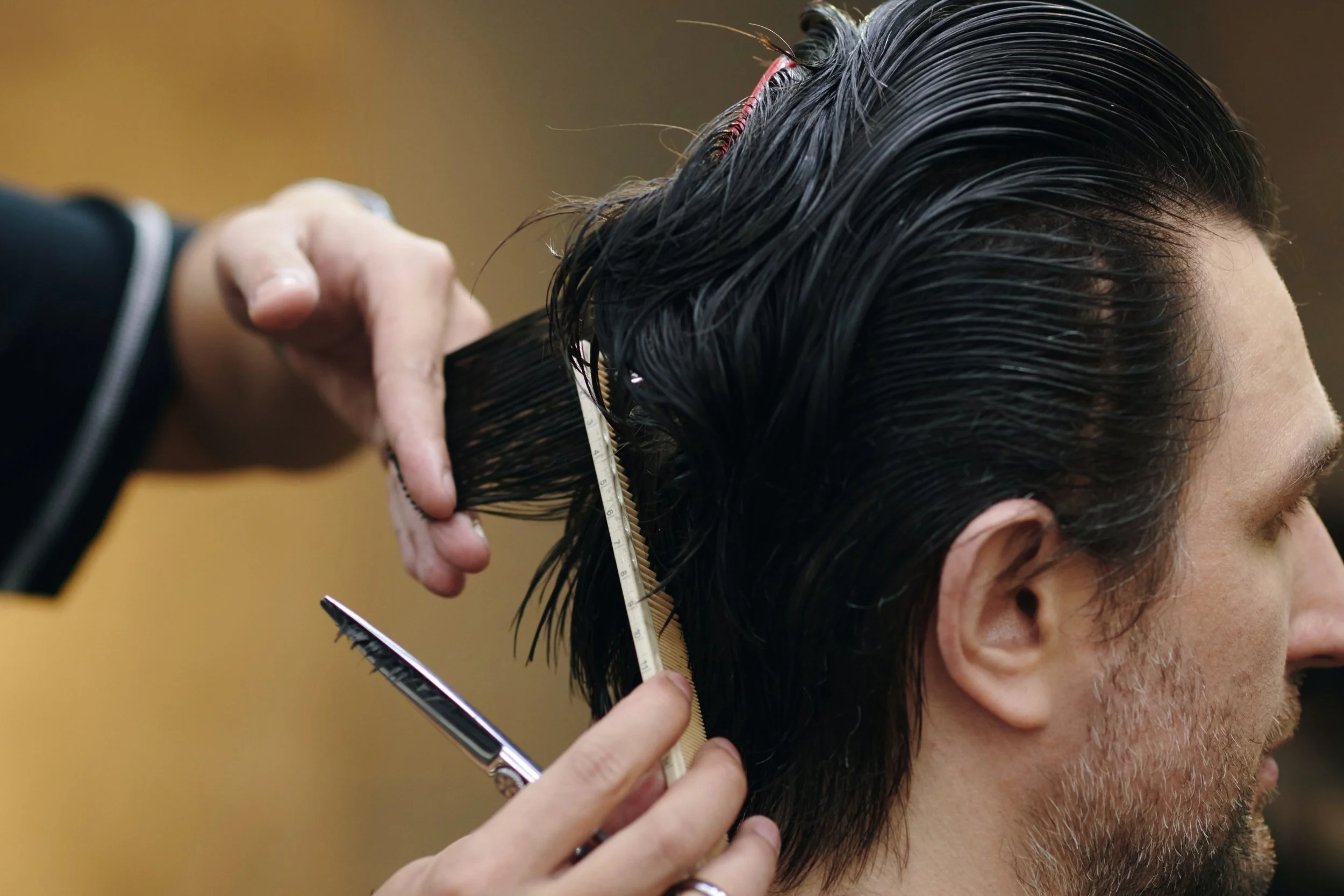
The difference between a men's haircut that looks right and one that simply looks trimmed comes down largely to technique. Clipper-only cuts create uniform length without variation in texture, which tends to look flat and does not account for how different hair types behave when they grow out.
Scissor-over-comb technique creates a more natural-looking result by allowing precise control over where weight sits and where the hair is encouraged to move. It takes longer than a clipper cut but produces a result that grows out more gracefully and requires less frequent appointments to stay looking right. There are no harsh weight lines, no gaps, and the blending looks like it belongs to the hair rather than being imposed on it. This is the approach used for men's grooming at our Denver salon, and the difference in how the cut holds over several weeks is consistently one of the first things clients notice.
How Face Shape Should Inform the Cut
Face shape is as relevant for men's haircuts as it is for women's, and it tends to receive less attention during consultations than it deserves. The relationship between the shape of the head, the width of the jaw, and where the hair adds or removes visual weight is the same regardless of gender.
A round face tends to look better with cuts that add some height through the crown and keep the sides close rather than adding width. A longer, narrower face does well with more volume at the sides and less height. A square jaw is well suited to softer, textured cuts that round out the angles rather than emphasizing them. These are useful starting points for a consultation that goes beyond simply asking how short to take it.
Why Texture Matters as Much as Length
Two men can ask for the same haircut in terms of length and leave looking completely different because their textures behave differently. Straight hair and wavy hair respond to the same cut in ways that can produce what look like two different styles, which is why texture needs to be part of the conversation before the cut is decided.
Men with naturally curly or wavy hair who have been getting cuts designed for straight hair are almost always fighting their texture rather than working with it. A cut that acknowledges the wave or curl pattern requires less daily effort and looks better through the full cycle between appointments. This is covered in more detail in the guide to haircuts by texture, which applies as directly to men's cuts as it does to women's.
Men's Hair Color: What Is Changing
Gray Blending for Men
Men's relationship with gray hair is shifting in a similar direction to women's, though the conversation tends to be less explicit. Full coverage for men, whether applied at a barbershop or at home with box dye, tends to look obviously colored in a way that blending does not.
A growing number of men are asking specifically about softening their gray rather than covering it. The approach is similar to what is done for women: a gloss or toner to adjust the tone of the gray, subtle highlights to create dimension that makes the gray blend rather than stand apart, or simply embracing the gray and getting the cut and texture right so the gray reads as deliberate. More on how gray blending works technically is in the guide to gray blending vs full coverage.
Subtle Highlights and Toning
Highlights and toning for men are more common than they used to be, and the current version is significantly more understated than what was popular in previous cycles. The goal is not a visible color change but a subtle enhancement of the natural hair's dimension, warmth, or definition.
A single-process toner applied over naturally lighter or gray-streaked hair adds polish and cohesion without looking like a color treatment. Subtle highlights placed through the top of a textured cut add depth and movement that makes the cut look more intentional. These services are worth discussing at a color consultation if the topic comes up, since they are genuinely low-visibility and low-maintenance additions that change how a cut reads without requiring ongoing commitment.
How Often Men Should Actually Get a Haircut
For shorter cuts with a defined taper or fade, every 4-6 weeks keeps the cut looking intentional. A cut that relies on a clean line at the sides looks grown-out significantly faster than one with a softer blend, which is one of the practical reasons the softer modern taper has replaced the hard fade as the default request.
For longer, more textured cuts, 6-8 weeks is typically the right interval. These styles have more room to grow before losing their shape, particularly when the cut was designed with the grow-out in mind. Men who consistently feel like their hair looks good for two weeks and then starts to go wrong usually have a cut that was not built to grow out gracefully, which is a consultation conversation worth having at the next appointment.
Fine hair loses its shape faster than coarser hair because there is less density to hold the structure as it grows. Men with fine hair generally benefit from slightly more frequent appointments than the standard six-week recommendation, even if only for a minor shaping rather than a full cut.
What to Tell Your Stylist If You Do Not Know What You Want
This is more common than it might seem, and it is a completely reasonable place to start a consultation. Most men arrive with a general sense of what they do not want more than a clear picture of what they do, and that information is actually useful.
Tell your stylist what has not worked about your current cut. Where it goes wrong, when it stops looking right, what you do every morning to manage it. That tells an experienced stylist what the previous approach missed and what to build differently this time.
Describe your actual morning routine honestly. How many minutes you spend on your hair, whether you use product, whether you use a dryer or air dry. A cut that requires a dryer and product to look right for someone who air dries is not a functional cut regardless of how good it looks in the salon. The right cut should work with how you actually live rather than how you plan to start living.
If you bring a photo, that is useful context but not a blueprint. Hair texture, density, and face shape mean the same cut looks different on different people. A stylist will take the reference and interpret it for your specific hair rather than attempting to replicate it exactly.
Men's Hair Trends That Are Fading
The hard high fade has been declining in requests for a few years now. It was dominant long enough that it still appears frequently, but fewer new clients are asking for it, particularly among men in their thirties and above who find the upkeep too frequent and the overall look too sharp for what they want.
Heavily pomaded, slick styles held rigidly in place with high-shine products are also fading. The shift is toward matte, natural-looking product used sparingly or no product at all. Hair that looks like it is being held by product reads as more dated now than hair that simply looks well-cut and naturally settled.
The undercut, where the top is kept long and the sides are cut very short or shaved, has also moved from a mainstream trend to a more specific stylistic choice. It has not disappeared, but the window when it was the automatic first request for a large portion of male clients has clearly passed.
The Common Thread in All of It
Whether the cut is short, medium, or growing toward something longer, the men's haircuts that are holding up as consistently popular share the same quality. They look like the person made a choice rather than like they ran the default option.
That quality comes from a cut built around your specific texture, face shape, and lifestyle rather than a template applied the same way to everyone who sits in the chair. It is worth having a real conversation at your next appointment rather than pointing at the back of your neck and saying the same thing you always say.
Frequently Asked Questions About Men's Haircuts in 2026
What is the most popular men's haircut right now?
The textured crop and modern soft taper are currently the most consistently requested men's haircuts across most age groups. Both prioritize natural movement over rigid structure, require minimal daily product, and grow out more gracefully than the harder, sharper cuts that dominated in previous years. Mid-length natural styles are also increasingly requested among men who want more length without significant daily styling effort.
How often should men get a haircut?
For shorter cuts with a defined taper or fade, every 4-6 weeks keeps the cut looking intentional. For longer or more textured cuts designed to grow out gracefully, 6-8 weeks is typically appropriate. Fine hair loses its shape faster than coarser hair and benefits from the more frequent end of that range. The right interval depends on how the cut was designed and how quickly your specific hair grows.
What should I tell my stylist if I do not know what I want?
Describe what has not worked about your current cut, what you do each morning to manage it, how much time you spend on your hair, and whether you use a dryer or product. A good stylist builds a recommendation around your actual lifestyle rather than a reference photo. The more honest the information you bring, the more functional the cut you leave with.
What is the difference between a scissor cut and a clipper cut for men?
Clipper cuts apply uniform length efficiently but with limited variation in texture or weight. Scissor-over-comb technique allows precise control over where weight sits, how the hair blends between lengths, and how the cut will behave as it grows. Scissor cuts take longer but produce a more natural-looking result that grows out more gracefully and requires less frequent appointments to maintain.
Are men getting color services now?
Yes, and more openly than before. The most common services are gray blending rather than full coverage, and subtle highlights or toning that add dimension without a visible color change.
What men's hair trends are fading in 2026?
The high hard fade, heavily pomaded slick styles, and the undercut are all declining in new requests. The shift is toward softer, more natural-looking cuts that require less product and stay wearable longer between appointments. High-shine hold products are giving way to matte texturizers or no product at all, reflecting the broader move toward hair that looks settled and natural rather than visibly styled.
What is the best haircut for men with thinning hair?
Shorter cuts that reduce the contrast between thinning and denser areas tend to work best. A buzz cut or closely cropped textured cut removes the visual evidence of thinning that longer styles make more apparent. For men who prefer to keep some length, a cut that distributes weight carefully and avoids drawing attention toward the thinnest areas is the goal. The right approach varies depending on where the thinning is and how much there is, which is why a thorough consultation matters particularly in this situation.
Related Reads
If This Got You Thinking, These Are Worth Reading Next