
How to Know If Your Hairstylist Is Damaging Your Hair: 5 Warning Signs
The five most common signs your hairstylist is damaging your hair are: your hair breaks faster than it grows, your scalp burns or stays irritated after appointments, your stylist skips the consultation and jumps straight to services, they apply bleach or color over previously processed hair without assessing it first, and they rush through your service without checking in on how your hair is responding. Any one of these is worth paying attention to. More than one is worth acting on.
Why This Is a Conversation Worth Having
Most people assume that if they are going to a professional salon, their hair is in good hands. And most of the time, that is true. But not every stylist operates at the same standard of care, and hair damage from poor technique is more common than the industry openly admits.
The reason so many clients do not recognize damage early is that it does not always happen suddenly. It builds over multiple appointments. Hair that was once strong starts breaking at the ends. Color that used to look vibrant starts looking dull or uneven within days. The scalp that was never sensitive starts reacting after every visit. By the time the problem is obvious, it has often been developing for months.
This guide is not about blaming stylists or creating fear around salon visits. It is about giving you the information to know the difference between a service that is helping your hair and one that is hurting it, so you can ask the right questions and make informed decisions about where you sit.
5 Warning Signs Your Hairstylist Is Damaging Your Hair
Warning Sign 1: Your Hair Breaks Faster Than It Grows
Hair grows on average about half an inch per month. If you have been seeing your stylist regularly but your hair does not seem to be getting any longer, or if you are noticing noticeably more breakage in the shower, on your pillow, or when you brush, that pattern is worth examining closely.
reakage at this rate is almost always caused by one of three things: chemical overprocessing, heat damage from repeated high temperature styling, or mechanical stress from tools and technique applied too aggressively. A skilled stylist monitors all three. They track your color history, assess your hair before each service, and adjust their approach based on what they are seeing in your hair on that specific day. A stylist who applies the same formula or the same heat setting every time regardless of your hair's current condition is not paying close enough attention.
If you are losing length faster than you are gaining it, and your diet and overall health have not changed significantly, the problem is almost certainly in how your hair is being handled at the salon.
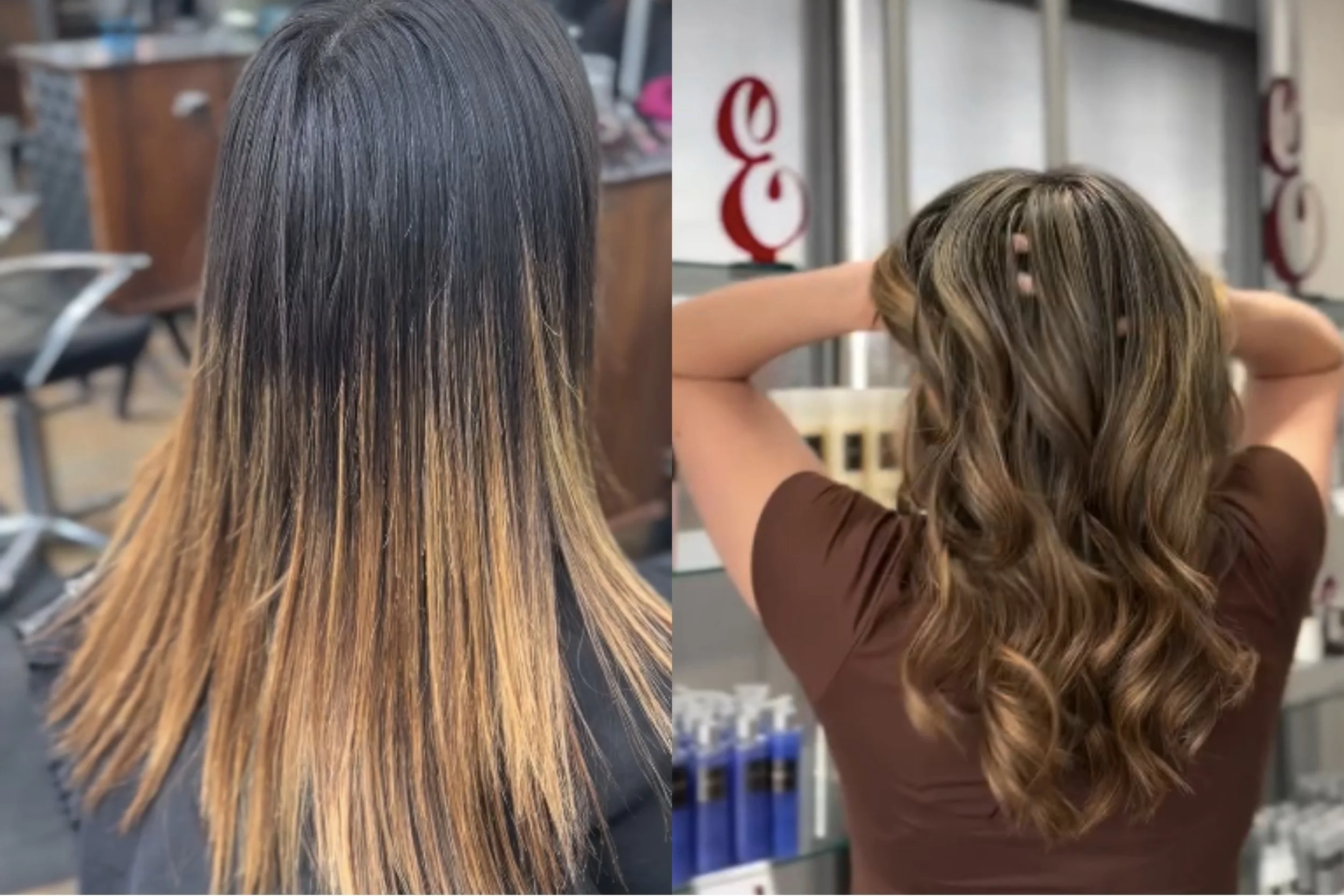
Warning Sign 2: Your Scalp Burns, Itches, or Stays Irritated After Appointments
Some mild tingling during a bleach or chemical service is normal. A burning sensation that you mention and your stylist dismisses is not. A scalp that is consistently irritated, itchy, or flaking in the days following a salon appointment is telling you something that deserves a direct response.
The most common causes of scalp irritation from salon services are bleach or color left on too long, developer strength that is too high for your scalp's sensitivity, products applied to a scalp that was already compromised, and improper rinsing that leaves chemical residue behind. A careful stylist times their services precisely and adjusts developer strength based on your individual scalp sensitivity. They check in with you during processing and take your feedback seriously when something does not feel right.
If you have mentioned scalp sensitivity and the response has been "that's normal, it just means it's working," that is not an acceptable answer. Burning is not a sign of effectiveness. It is a sign that something needs to be adjusted.
Warning Sign 3: Your Stylist Skips the Consultation
A consultation is not a formality. It is the foundation of every quality service. Before any color, cut, or treatment, a stylist who is doing their job properly will ask about your hair history, assess the condition of your hair and scalp, understand what you want the outcome to feel like, and explain what they are planning to do and why.
If you sit down and your stylist immediately starts mixing color or picking up scissors without asking a single question, that is a problem. It means they are performing a service without the information needed to do it safely for your specific hair. Hair history matters enormously in professional services. Color applied over previous bleach behaves differently than color on virgin hair. Extensions applied to thinning hair require a different approach than extensions applied to dense hair. A stylist who does not ask does not know, and a stylist who does not know is guessing.
At Ergun Tercan Salon, every service begins with a real conversation. Whether you are booking a color and highlights appointment, a keratin smoothing treatment, or your first set of hair extensions, the consultation is the first step. It is not optional and it is not rushed.
Warning Sign 4: They Overlap Bleach or Chemical Color on Previously Processed Hair
This is one of the most common sources of serious hair damage in salon settings, and one of the least visible until it is too late. When bleach or strong lightener is applied over sections of hair that were already lightened at a previous appointment, the overlapping area receives a double dose of chemical processing. Over time, this weakens the hair shaft to the point where it simply snaps.
A skilled colorist applies lightener precisely to the new growth only, carefully avoiding any overlap with previously lightened sections. This requires patience, attention, and a practiced hand. It also takes more time, which is why some stylists skip it. When clients come to us after damage from another salon, overlapping bleach application is one of the most frequent causes we identify.
If your color services feel rushed or if you have noticed that your hair seems weakest exactly where your color was last applied, overlapping may be the reason. This is worth raising directly with your colorist at your next appointment. A good colorist will welcome the question. If you want to understand more about why professional color application matters at a technical level, our blog on why hair color fades and how professionals fix it goes into the detail behind what separates careful color work from careless color work.
Warning Sign 5: They Rush Through Your Service Without Checking In
Time pressure is a reality in every salon, but it should never come at the expense of the client in the chair. A stylist who is moving too quickly through a service is cutting corners somewhere, and those corners are almost always in the details that protect your hair's integrity.
Rushing shows up in specific ways. Bleach applied faster than it should be, which means uneven saturation and unpredictable lifting. A blow dry done at maximum heat because there is not time to use a lower temperature. A detangling step skipped entirely because the next client is waiting. A trim where the stylist cuts more than discussed because it is faster than doing it gradually. None of these are dramatic in isolation. Over multiple appointments, they compound.
The check-in is the clearest signal of a stylist who is paying attention. A stylist who asks how your hair is feeling, whether the tension is comfortable, and whether the result so far matches what you discussed is a stylist who is engaged with your specific experience in that appointment. One who moves from step to step without speaking is not.
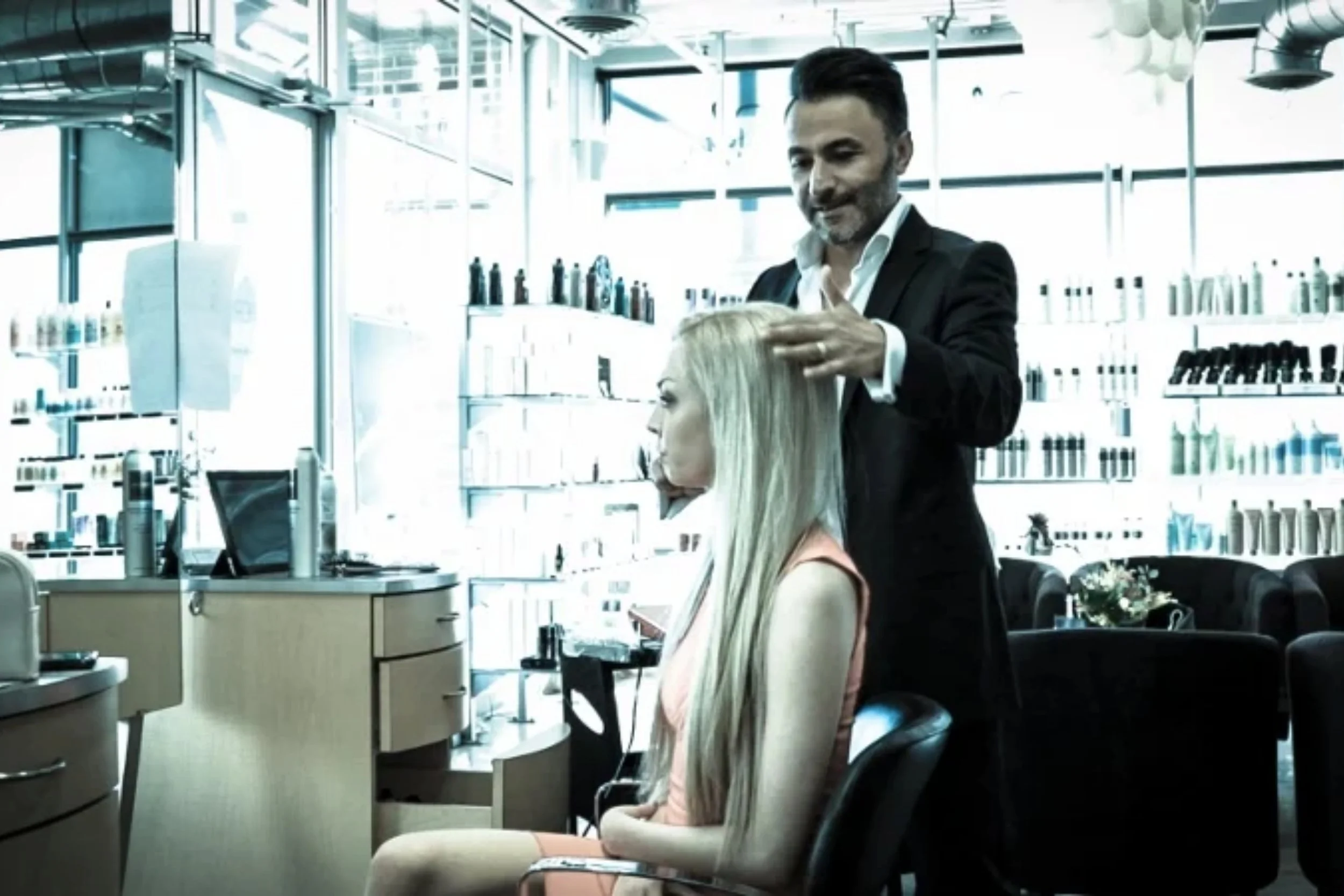
What a Trustworthy Stylist Does Instead
Every warning sign above has a direct opposite, and knowing what good practice looks like is just as useful as knowing what poor practice looks like.
A trustworthy stylist starts every appointment with a real assessment of your hair's current condition, not just a quick glance. They ask what happened since your last visit: new products you have been using, any heat tools you have been styling with at home, how your hair has been feeling. They look at your ends before they touch anything. They factor your full color history into any formula they are mixing, and they tell you what they are using and why.
During the service, they time their processes precisely and check in with you regularly. They use the minimum heat necessary to achieve the result rather than defaulting to maximum. They detangle before they cut and they take their time at every step where rushing would compromise the outcome. When they are finished, they walk you through what they did, what products they used, and what you should do at home to maintain the result until your next appointment.
This level of care is not exceptional. It is the standard. It is what a professional who has been properly trained does at every appointment, regardless of how busy the schedule is. If this is not the experience you are currently having, that is useful information.
How to Have the Conversation With Your Current Stylist
If you have recognized one or more of these warning signs in your current salon experience, the first step does not have to be finding a new stylist. It can be a direct conversation with the one you have.
Before your next appointment, write down the specific things you have noticed. Not general statements like "my hair feels damaged," but specific observations: where the breakage is occurring, when the scalp irritation started, which services seem to be followed by the most visible changes in your hair's condition. Specific information gives your stylist something concrete to respond to and adjust.
Ask directly what they are using, what developer strength, how long the processing time is, and why they are making those choices for your hair specifically. A stylist who is confident in their technique will welcome these questions and answer them clearly. A stylist who becomes defensive or dismissive in response to reasonable questions about your own hair is showing you something important.
It is also completely appropriate to ask for a slower pace if appointments have been feeling rushed, to request that your stylist check in with you at each stage of a chemical service, and to ask that any significant change from your last formula or approach be discussed with you before it is applied. These are not high-maintenance requests. They are the baseline of a professional service.
When It Is Time to Find a New Salon
Not every stylist-client relationship can be corrected with a conversation. If you have raised concerns and they have not been taken seriously, if the same issues are happening appointment after appointment, or if your hair has visibly worsened over the course of your time with a stylist, it is time to look elsewhere.
Finding a new salon after a damaging experience requires a slightly different approach than a first-time booking. You are not starting fresh. You are bringing a history that needs to be properly assessed before any new service is performed. The salon you move to should be willing to spend real time understanding what your hair has been through before recommending anything.
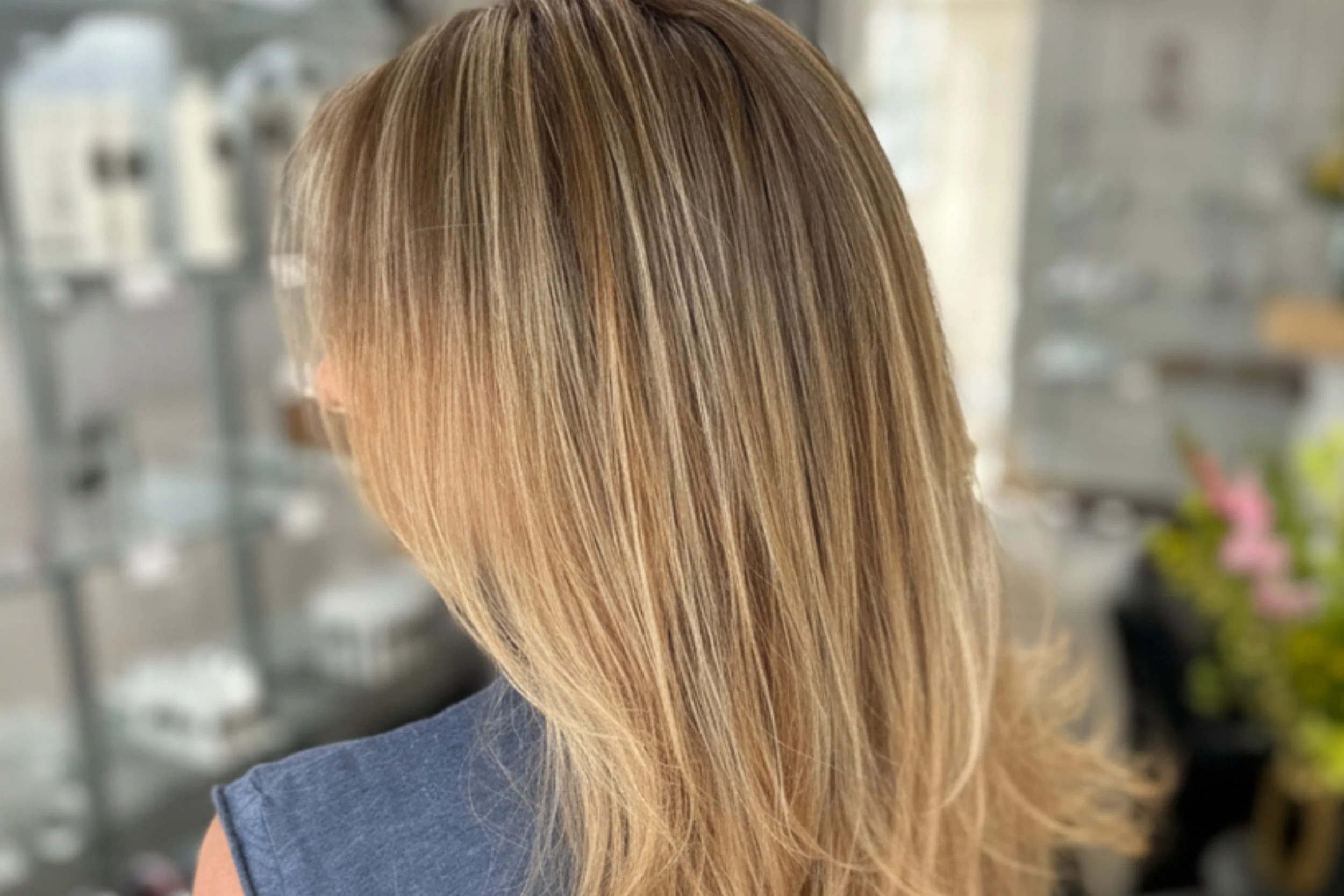
Your Hair Deserves Consistent, Careful Hands
Trusting someone with your hair is a real act of trust. The relationship you have with your stylist should feel like they are working with your hair's long-term health in mind, not just the result you walk out with that day. Those two things should be the same, and at a good salon, they are.
If something has felt off at recent appointments, or if you are noticing changes in your hair that you cannot explain, come in for a conversation before you make any decisions. We are happy to look at your hair, tell you honestly what we see, and talk through your options without any pressure. That is what the consultation is for. Book yours here.
Frequently Asked Questions About Hair Damage From Stylists
How do I know if my stylist is damaging my hair?
The clearest signs are hair that breaks faster than it grows, scalp irritation that appears or worsens after salon visits, a stylist who skips consultations or checks, overlapping of bleach on previously processed sections, and services that feel rushed without any check-in during processing. Any of these patterns, especially if they are consistent across multiple appointments, is worth addressing directly with your stylist or seeking a second opinion
Can damaged hair from a salon be repaired?
Yes, in most cases, though the timeline depends on the extent and type of damage. Chemically overprocessed hair requires a period of reduced chemical services, targeted conditioning treatments, and protective styling while the healthier hair grows in. Heat-damaged hair can sometimes be improved with treatment but may require trimming the most compromised sections. A realistic assessment from a professional who can see and feel your hair in person is the most reliable starting point for a recovery plan.
What should I do if I think my stylist damaged my hair?
Start with a direct conversation with your stylist, using specific observations about what you have noticed rather than general complaints. If the response is dismissive or the same issues continue after that conversation, seek a consultation at a different salon for an honest second opinion. Avoid booking any new chemical or heat services while your hair is in a compromised state until you have a clear picture of what recovery looks like.
Is a burning scalp during color normal?
Mild tingling during some chemical services can be normal. Burning that you report and your stylist dismisses is not. A burning scalp during color typically indicates a developer strength that is too high for your sensitivity, processing time that has gone too long, or application to a scalp that is already irritated or compromised. A careful colorist adjusts these variables based on real-time feedback from the client.
What is the difference between a good stylist and a damaging one in terms of technique?
The most visible technical differences are in chemical services. A skilled colorist applies lightener precisely to new growth without overlapping previously processed hair, uses the lowest developer strength that will achieve the result, times processing exactly, and checks in with you throughout. They also use the minimum heat necessary during styling rather than defaulting to maximum. The less visible difference is in how much they know about your specific hair before they touch it, which comes from a real consultation at every appointment.
Related Reads
If this topic raised questions about your hair's current condition or what professional care should look like, these posts go deeper on specific pieces of that conversation.