
Halloween Hair Ideas That Won't Ruin Your Hair
Halloween Hair That Does Not Cost You Your Color
Halloween is the one night of the year when blue streaks, glitter roots, a full wig, or an extra twelve inches of length all feel completely reasonable. The costume comes off by morning. What does not always come off is the aftermath: a green cast on blonde that two washes will not shift, glitter lodged at the base of a set of tape-ins, a matted section where hairspray and backcombing met a row of keratin bonds, or a brassy, dull blonde caused by the harsh shampoo used to scrub everything out. This guide explains how temporary color products actually behave on colored and lightened hair, what changes when you are wearing extensions, how to add costume length or wear a wig without stressing your install, and how to take everything out on November 1 so your color looks the same as it did on October 30.
Why Temporary Color Is Not Always Temporary
How Temporary Color Products Work
Color sprays, hair chalks, colored waxes, and color-depositing gels all work the same basic way. The pigment does not penetrate the hair the way salon color does. It sits on the outside of the strand, held in place by resins and film-forming ingredients, and it is designed to wash away because it never made its way inside.
That design assumes one thing: that the outer layer of the hair, the cuticle, is smooth and intact. On healthy, unprocessed hair, that assumption mostly holds, and the color rinses out the way the label promises. On hair that has been lightened, it often does not.
Why Lightened and Highlighted Hair Is the Exception
Lightening opens and roughens the cuticle. That raised, porous surface is exactly what allows toner and gloss to be absorbed in the salon, and it is exactly what allows temporary pigment to slip inside instead of sitting on top. Once it is in, it does not wash out on schedule.
This is why blondes, platinum clients, and anyone with highlights or balayage carry the most risk on Halloween. It is also why the same product can rinse cleanly from the root and still be visible on the ends. The ends are older, more processed, and more porous than the new growth closest to the scalp, so they absorb more and hold on longer.
The Shades That Cause the Most Trouble
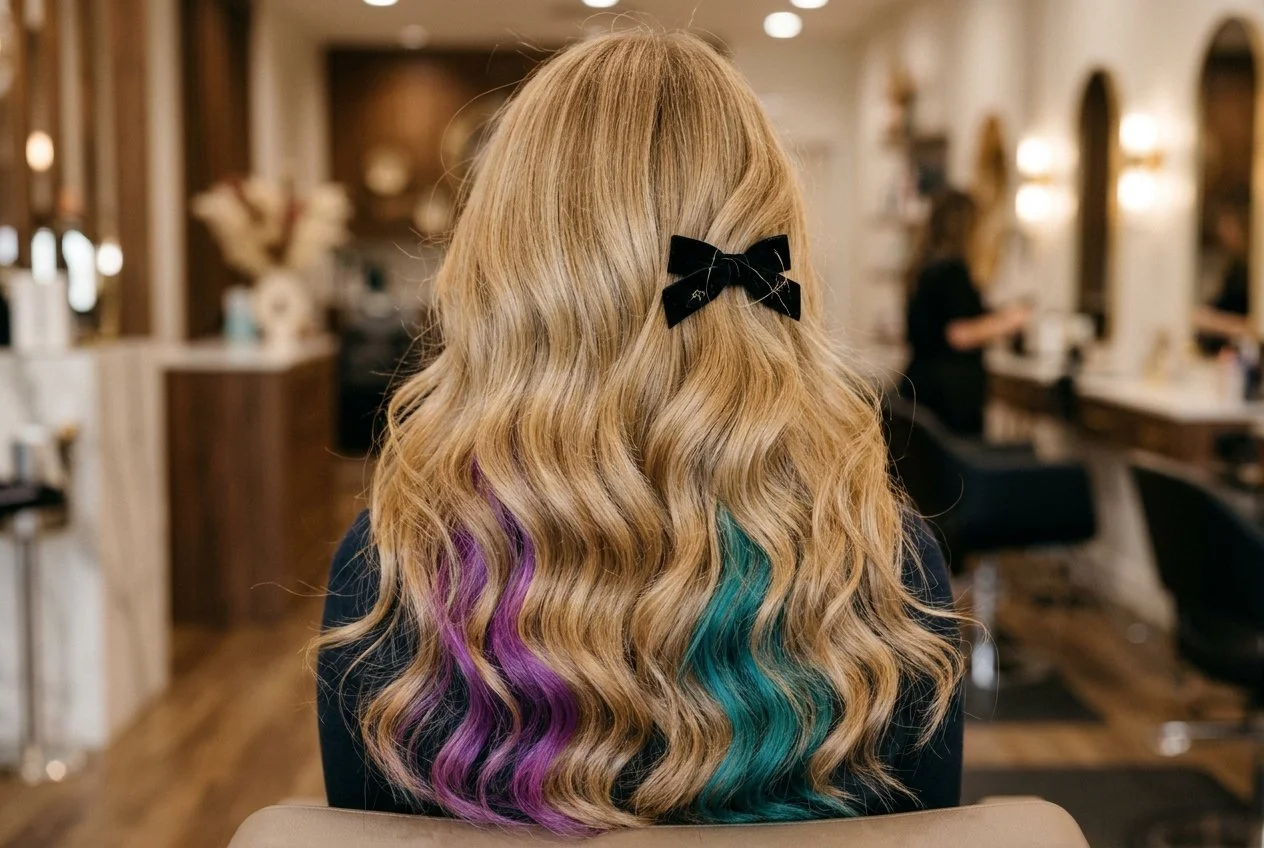
Blues and greens are the most common Halloween staining complaint on blonde hair, because cool pigment sitting on a pale, warm-leaning base can leave a murky green or gray cast behind. Bright pinks, purples, and reds can linger as a faint tint on lightened ends. Black spray, a costume staple, can leave lightened hair looking dingy and gray rather than clean after it washes out.
As a general rule, the further a temporary shade is from your existing color, and the lighter and more processed your hair is, the higher the risk. A brunette using a gold or copper spray is taking a very different risk than a platinum blonde using teal.
Semi-Permanent Fashion Dyes Are Not a One-Night Product
Bright semi-permanent dyes are sometimes reached for as a quick costume fix because they are marketed as fun, low-commitment color. On lightened hair, they are not low commitment. They are built to deposit into the hair and can last for weeks, fading unevenly as they go. If the plan is one night of color, a semi-permanent dye is the wrong tool.
How to Wear Temporary Color Without Staining Your Hair
Do a strand test first. A few days before Halloween, apply the product to a small, hidden section near the nape, let it dry, then wash it out the way you normally would. If it leaves a tint on that section, it will leave a tint everywhere else. This single step prevents most Halloween color problems.
Start with clean, dry, conditioned hair. A light leave-in conditioner on the mid-lengths and ends gives porous hair a buffer before the pigment goes on. Applying temporary color to hair that is already dry and rough gives the pigment more places to grab.
Place color instead of saturating it. A few pieces through the front, a section at the ends, or color on the top layer only gives the costume effect with far less hair exposed. Keep product away from the scalp and roots, and away from extension attachment points entirely.
Build in light layers. Spray from the distance recommended on the can and let each layer dry before adding more. Heavy, wet application soaks further into porous hair and is more likely to transfer onto skin and clothing.
Time your color appointment around the holiday. If you are due for a toner, gloss, or color refresh, book it for the first week of November rather than the week before Halloween. A fresh toner is not something you want to put temporary pigment on top of, and an appointment after the holiday means your colorist can correct any lingering tint or dryness in the same visit.
What Changes When You Wear Extensions
Extension hair needs more caution on Halloween than your own hair, for two reasons. First, most human hair extensions have been lightened and colored to reach their final shade, so they are typically more porous than the hair growing from your head and absorb temporary pigment faster. Second, extension hair does not receive natural oils from the scalp and does not regrow, so a stain that sets into a set of extensions can stay for the life of that set.
The attachment points add another layer of concern. Each method has its own weak spot when costume products are involved.
Tape-Ins
Tape-ins rely on adhesive, and adhesive does not like heavy product. Oil-based glitter gels, sprays, and the products used to remove them can weaken the bond, and spray residue collects along the tape line where it is hard to rinse out. Keep all costume product well below the tapes, and avoid rubbing removers or oils near the top of the hair. The tape-in FAQ covers the everyday care rules that matter even more on a night like this.
Keratin Bonds and Micro Beads
With keratin bonds and micro beads, the risk is buildup and tangling at the base. Spray and glitter settle around each bond or bead, and backcombing near the root tangles your natural hair with the extension hair right where they meet. That combination is how matting starts. Keep teasing and heavy product away from the attachment area and focus volume and color through the lengths instead.
Hand-Tied Wefts
Hand-tied wefts sit on a beaded row, and that row is where product and glitter tend to collect. Teasing along the row puts tension on the beads and makes the area harder to brush out cleanly the next day. Style around the row, not into it.
The Glitter Problem
Fine, loose glitter is the costume product most likely to cause trouble for extension wearers. It migrates toward the scalp, gets trapped at tapes, bonds, beads, and wefts, and is difficult to remove without a lot of brushing, which pulls on the attachments. If glitter is part of the look, use a gel-set or chunky cosmetic glitter, keep it on the mid-lengths and ends, or put the sparkle on a headband or clip instead of directly in the hair.
Adding Costume Length or Color Without Touching Your Install
Use temporary clip-ins for color. A clip-in piece in a costume shade gives you the blue, pink, or silver without a single drop of pigment touching your own hair or your installed extensions. It comes out at the end of the night with zero stain risk. If you wear extensions, place the clips below your attachment points so they are not gripping tapes, bonds, or the weft row.
Do not dye your installed extensions for a costume. Once extension hair has been colored a fashion shade, there is no reliable way to bring it back to its original color. In most cases, a set that has been dyed for one night ends up needing to be replaced, and the extensions guide on why some installs look fake explains why a color mismatch between your hair and your extensions is so visible.
Wear wigs gently over extensions. A wig is often the safest way to completely change your look, but how it sits on top of an install matters. Flatten the hair underneath with low-tension braids or a loose wrap rather than tight cornrows, use a wig cap, and avoid securing the wig with pins near the attachment points. If you feel pulling or soreness at the scalp, take it off. Never sleep in a wig worn over extensions.
Keep backcombing light. Teasing creates volume by deliberately tangling the hair. On your own hair, that is manageable with a careful brush-out the next day. On extensions, it should be kept minimal and well away from the attachments.
Use heat with protection. Costume curls and waves are fine on both natural hair and human hair extensions with a heat protectant, as long as the iron stays away from bonds, tapes, and beads.
The Night Of: Small Habits That Prevent the Hangover
The most common Halloween hair mistake happens after the party, not during it. Sleeping in temporary color, glitter, and a full head of hairspray presses pigment further into the hair, transfers it onto your pillowcase and back onto other sections, and creates the friction that causes tangling and matting, especially with extensions.
If you can, rinse the bulk of the product out before bed. If that is not realistic, brush the hair out gently, put it in a loose braid, and sleep on an old pillowcase. A loose braid is especially important for extension wearers because it keeps the hair from twisting around itself at the attachment points overnight.
It is also worth keeping the weather in mind. Late October in Denver can range from mild evenings to a first snow, and temporary color that gets wet can run onto skin, clothing, and lighter sections of hair. A hood or umbrella does more for your color that night than you might expect.
The Morning After: How to Take It All Out
Step One: Brush Out While Dry
Before any water touches the hair, gently brush out as much chalk, glitter, and spray residue as possible. Start at the ends and work up. If you wear extensions, hold the hair at the base of each section while you brush so the tension goes into your hand rather than the attachment. Removing product dry means less pigment is reactivated and spread around once the hair gets wet.
Step Two: Rinse With Lukewarm Water First
Let the water do most of the work before shampoo goes on. Lukewarm water rinses temporary product well without being as harsh on the hair and your existing color as very hot water.
Step Three: Shampoo Twice With Your Regular Color-Safe Shampoo
This is where most color hangovers actually happen. The instinct is to reach for a clarifying shampoo, dish soap, or anything strong enough to strip the costume color fast. Those products also strip your salon color and toner, which is how a perfectly toned blonde turns brassy overnight. Two rounds of your normal color-safe shampoo, focused on the areas where product was applied, is the right starting point. If residue is still clearly sitting on the surface after that, one clarifying wash concentrated on the lengths is reasonable, followed by a good conditioner. It should not become a repeated cycle. For extension wearers, keep the shampoo and any clarifying product away from tapes and bonds, and wash in the direction the hair falls rather than scrubbing.
Step Four: Condition, Then Stop Scrubbing
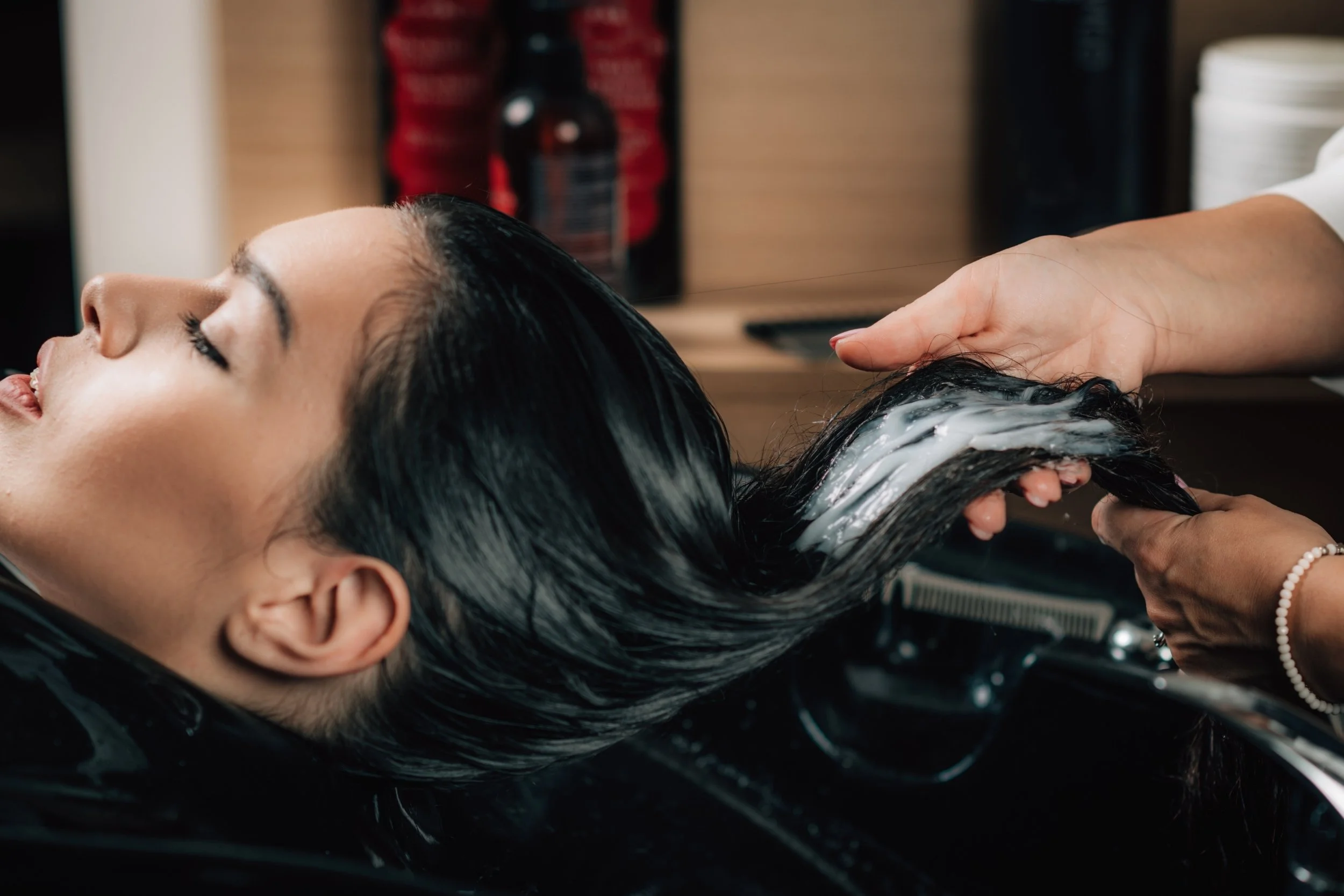
Condition the mid-lengths and ends thoroughly, keeping conditioner off tapes and bonds. If a tint is still visible after two or three washes, stop washing to remove it. Repeated washing dries out the hair and fades your real color without lifting a stain that has already settled into the strand. At that point, the fix is a professional one, and the guide to why color fades explains why over-washing works against you.
For extension wearers, make sure the attachment area is fully dry after washing, and detangle by holding the base of each section rather than pulling through from the root.
When It Is Time to Call Your Colorist or Extension Specialist
Some Halloween aftermath is easily handled at home. Some of it is better handed over before it gets worse. Book an appointment if any of the following is true:
A tint is still visible after two or three washes. A colorist can assess what pigment is left and neutralize or gloss over it far more gently than continued washing at home.
Your blonde looks brassy or dull after removal. This usually means the toner was stripped along with the costume color. A toner or gloss restores the tone you had before Halloween.
There is matting at the attachment points. Do not cut, pull, or try to rip through a matted area at the base of an extension. Gentle professional detangling protects both the extension and your natural hair.
Tapes are slipping or bonds feel loose. Product and removers can weaken an attachment, and a loose extension that is left alone tends to tangle further. Your specialist can check and, if needed, readjust the affected sections. If you were already close to your removal or move-up date, the extension removal guide covers what to expect.
Glitter is still stuck at the base. Continued brushing at the attachment points to get it out puts more stress on the install than a professional clean-up does.
How Denver's Conditions Play Into Halloween Hair
Denver's dry air and high altitude leave hair, and especially lightened ends, drier and more porous than it would be in a more humid climate. Drier, more porous hair absorbs temporary pigment more readily, which raises the staining risk for the same product that might wash out easily elsewhere. Chalks and alcohol-heavy sprays add to that dryness, which is why prepping with a leave-in and conditioning well afterward matter more here.
Denver's hard water adds a second factor. Mineral buildup already sits on the surface of the hair and dulls color, and a layer of temporary product on top of it makes the hair harder to rinse cleanly. The hard water guide explains how mineral buildup affects color and extensions and how to manage it between appointments.
Plan Your Hair Around the Holiday
A little planning keeps Halloween fun and keeps your color appointment from turning into a correction appointment. If you are due for a toner, gloss, or color refresh, book it for the week after Halloween. If you wear extensions and are close to your next maintenance appointment, schedule it for early November as well, so your specialist can clean up any product buildup at the same time.
If you want a costume-ready style without putting heat or products on your hair yourself, the Blow Dry Bar can create the volume, curls, or sleek finish your costume calls for, with care taken around your extensions.
Have Fun, Then Get Your Hair Back
Halloween hair does not have to come with a hangover. Strand test your products, keep color placement light, keep costume products away from your extensions, and take everything out gently instead of aggressively. Most color and extension problems after Halloween come from one of two things: temporary pigment on porous hair, or harsh removal the next morning. Avoid both and your hair will look the way it did before the party.
If the holiday did leave a tint, a brassy tone, or a tangle behind, book an appointment at Ergun Tercan Salon in Denver. Our colorists and extension specialists can get your color and your install back on track.
Frequently Asked Questions About Halloween Hair, Color, and Extensions
Will temporary hair color spray stain blonde hair?
It can. Temporary sprays are designed to sit on the surface of the hair and wash out, but lightened hair is more porous, which allows the pigment to get inside the strand. Blues and greens are the most likely to leave a tint on blonde hair, and the risk is highest on the most processed ends. A strand test on a hidden section a few days before Halloween is the most reliable way to know how a product will behave on your hair.
Can I use temporary color spray on my hair extensions?
It is not recommended. Most human hair extensions have been lightened and colored, which makes them more porous than your natural hair, and they cannot regrow if a stain sets in. Temporary pigment is also hard to rinse from attachment points. A colored clip-in piece placed below your install gives you the same costume effect with no risk to your extensions.
Can I wear a wig over hair extensions?
Yes, with care. Flatten the hair underneath with low-tension braids or a loose wrap, use a wig cap, and avoid pinning near tapes, bonds, beads, or wefts. Remove the wig if you feel pulling or soreness, and never sleep in a wig worn over extensions.
How do I get glitter out of my hair extensions?
Brush out as much as possible while the hair is dry, holding each section at the base so the attachments are not pulled. Then rinse with lukewarm water and shampoo, washing in the direction the hair falls. If glitter is still trapped at the attachment points after washing, book a visit with your extension specialist rather than brushing repeatedly at the base.
Should I use clarifying shampoo to remove Halloween hair color?
Start with two washes of your regular color-safe shampoo instead. Clarifying shampoo strips salon color and toner along with the temporary product, which can leave blonde hair brassy. If residue is still visible after two washes, one clarifying wash on the lengths followed by conditioner is reasonable, but it should not be repeated. Extension wearers should keep clarifying products away from tapes and bonds.
What should I do if temporary color will not wash out?
If a tint is still visible after two or three washes, stop washing to remove it. More washing dries the hair and fades your real color without lifting pigment that has settled into the strand. A colorist can neutralize or gloss over the remaining tint much more gently.
When should I book my color appointment around Halloween?
The week after Halloween is usually the best time. Booking after the holiday means your colorist can correct any lingering tint, dryness, or brassiness from costume products in the same appointment, and it avoids putting temporary pigment over a freshly toned color.
Related Reads
If This Got You Thinking, These Are Worth Reading Next