
Getting Your Extensions Removed: What to Actually Expect
Hair extension removal is a professional process that is gentler and more straightforward than most people expect, provided it is done by the stylist who installed them using the correct tools for the specific extension type. Tape-in removal uses a dissolving solution to soften the adhesive. Keratin bond removal uses a professional bond-breaking solution and a specialized tool. Micro-bead removal uses a crimping tool to release the bead. Hand-tied weft removal involves cutting the thread precisely and unraveling it from the braid track. All four methods, done correctly, leave the natural hair intact. What surprises most people is not the removal itself but what the hair looks and feels like immediately afterward, and this guide explains exactly what to expect at every stage.
What Most People Are Not Told Before Their Removal Appointment
Extensions get a lot of attention at the installation stage. The consultation, the color matching, the method selection, the first-day result — all of this is discussed thoroughly and in advance. The removal appointment tends to receive far less preparation, which means most clients arrive not entirely sure what is about to happen and leave surprised by what they see in the mirror.
The surprises are almost always manageable once they are explained. The amount of hair that comes out, the way the scalp feels, the texture and weight of the natural hair without extensions — all of these are normal parts of the process that feel less alarming when someone has told you to expect them. This guide is that conversation.
Hair extension removal is a professional process that is gentler and more straightforward than most people expect, provided it is done by the stylist who installed them using the correct tools for the specific extension type. Tape-in removal uses a dissolving solution to soften the adhesive. Keratin bond removal uses a professional bond-breaking solution and a specialized tool. Micro-bead removal uses a crimping tool to release the bead. Hand-tied weft removal involves cutting the thread precisely and unraveling it from the braid track. All four methods, done correctly, leave the natural hair intact. What surprises most people is not the removal itself but what the hair looks and feels like immediately afterward, and this guide explains exactly what to expect at every stage.
How Removal Works for Each Extension Type
Tape-In Extension Removal
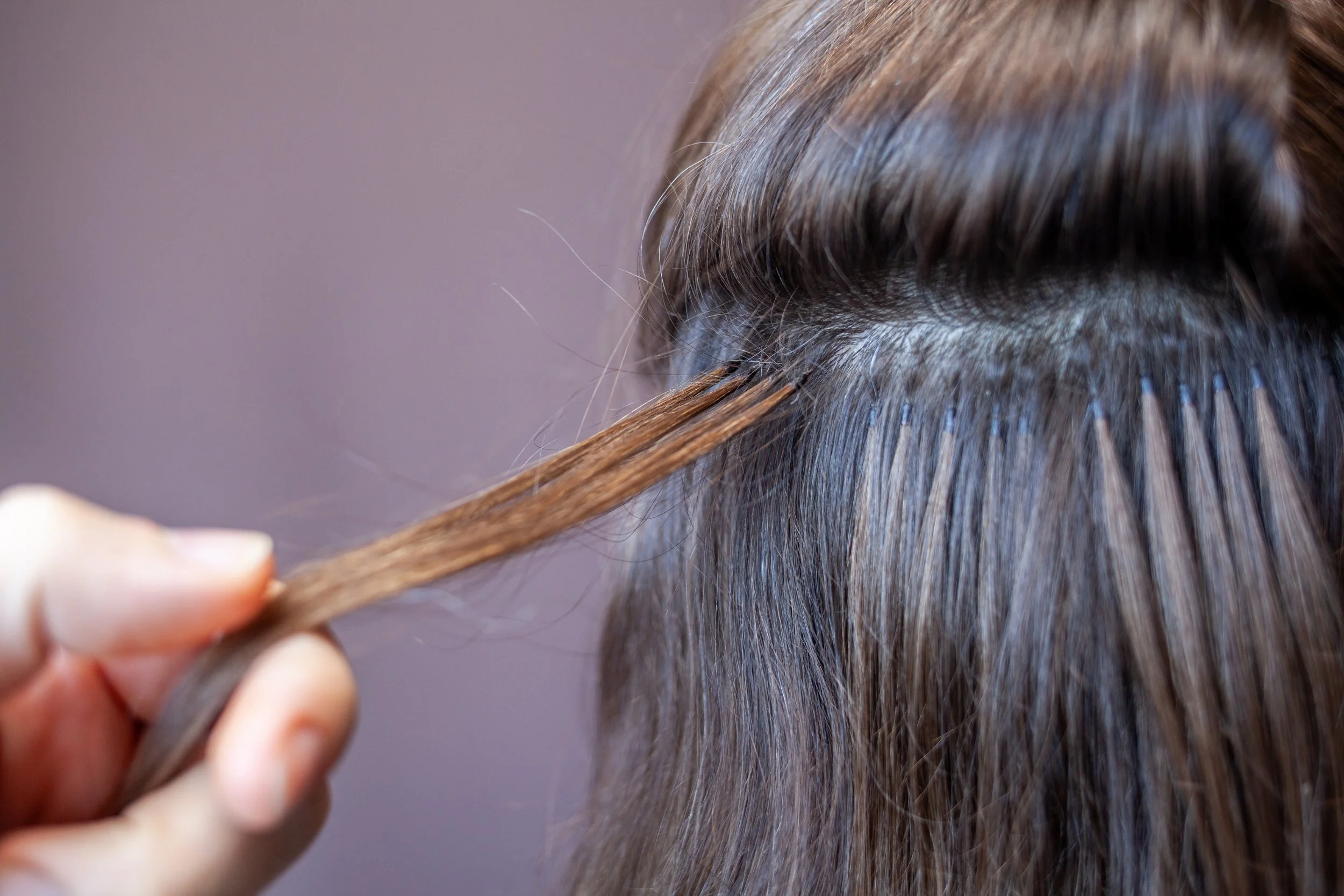
Tape-in removal begins with a specialized dissolving solution applied to the adhesive strip where the tape connects to the natural hair. The solution softens the bond without damaging the hair shaft, and after a brief processing time the two sides of the tape are gently pried apart and the weft slides free. The natural hair is then combed through to remove any remaining adhesive residue before the next step.
The process is gentle when done correctly and there should be no significant pulling or discomfort. If a tape-in removal feels rough or aggressive at any point, that is a signal that either the solution has not had adequate time to work or that the technique is not right. The full removal details for tape-in extensions are on the tape-in FAQ page.
Keratin Bond (K-Tip) Removal
Keratin bond removal uses a professional dissolving solution applied directly to each individual bond, followed by a specialized tool that helps break the bond down precisely. Once the keratin softens, the extension slides off the natural hair strand easily without pulling or friction. The process is done strand by strand, which takes more time than tape-in removal but is equally gentle when performed correctly.
K-tip bonds can also be partially maintained rather than fully removed all at once. Starting maintenance at around three months, where only the bonds that have shifted significantly are addressed while the rest remain, reduces the labor involved in a full reinstall and keeps the extensions looking seamless throughout a longer wear cycle. The full removal and maintenance process is outlined on the keratin bond FAQ page.
Micro-Bead Removal
Micro-bead extensions are held in place by small silicone-lined beads clamped onto sections of natural hair. Removal involves a specialized tool that reopens the bead, releasing the hold entirely and allowing the extension strand to slide out gently. There is no chemical involved, no adhesive to dissolve, and no heat required. The process is quick per strand and generally comfortable.
The micro-bead method is among the fastest to remove because the process is purely mechanical rather than chemical. Full removal and reinstall or move-up details are on the micro-bead FAQ page.
Hand-Tied Weft Removal
Hand-tied weft extensions are sewn onto bead tracks with professional extension thread. Removal requires a stylist to carefully cut the thread with scissors, working precisely to separate the weft from the braid without cutting the natural hair beneath it. The thread is then unraveled row by row and the beads are released.
This is the method where at-home removal is most dangerous, because the natural hair and the extension thread sit very close together and a misplaced cut can cause significant breakage. The full details on hand-tied weft care and removal are on the hand-tied weft FAQ page.
What Your Hair Looks and Feels Like Immediately After Removal
The Shedding That Surprises Almost Everyone
This is the part that catches most clients off guard and it is worth addressing directly. When extensions are removed, a significant amount of hair comes out with them. For most people, the first reaction is alarm.
What is actually happening is not new hair loss. Hair sheds naturally every day as part of the normal growth cycle, typically between fifty and one hundred strands. While extensions are in place, those shed hairs cannot fall freely because they are bonded, taped, or beaded to the extension strand. They accumulate over weeks or months rather than shedding gradually. When the extensions are removed, all of that accumulated natural shedding comes out at once.
The amount looks dramatic because it is concentrated into one appointment rather than distributed across every shower, every brush stroke, and every pillow for the past several months. It is not an indicator that the extensions caused hair loss. It is the deferred shedding that would have happened gradually over the wear period releasing all at once. This is completely normal and is not a cause for concern when the extensions were properly maintained and removed by a trained professional.
Scalp Sensitivity After Removal
Some tenderness or sensitivity at the scalp in the hours and days following removal is normal, particularly for clients who have been wearing extensions for several months. The scalp has been supporting the weight and attachment of extensions throughout the wear period, and the change in that load can make the scalp feel more aware of itself for a short time after removal.
Tenderness that is mild and resolves within a few days is within the normal range. Tenderness that is significant, localized, or accompanied by any scalp irritation, inflammation, or unusual hair loss in a concentrated area is worth mentioning to your stylist before you leave the appointment. In most cases it is still within the normal range, but your stylist should assess it directly.
How the Natural Hair Actually Feels
Most clients describe their natural hair immediately after removal as feeling lighter, thinner, and sometimes strange. The weight and volume that extensions provided for months is suddenly gone, and the natural hair that remains can feel wispy and unfamiliar by comparison.
This feeling passes as the hair adjusts and as the scalp recovers. The natural hair itself is not thinner than it was before the extensions. It simply feels that way in contrast to the volume that was just removed. Within a few weeks the natural hair feels like itself again rather than like a shadow of what it was with extensions.
Why Removal Should Never Be Done at Home
The tools used for professional extension removal are specifically designed for each method. The bond dissolving solutions are formulated to break down the specific adhesive or keratin used without damaging the natural hair shaft. The bead-release tools are calibrated to open the bead without pulling or friction. These are not substitutes that can be improvised with household products.
At-home removal attempts consistently cause more damage than the extensions themselves ever would have. Acetone, commonly used in DIY removal attempts for keratin bonds, strips the natural hair of its moisture and structural integrity. Forcibly pulling tape-in wefts without dissolving the adhesive breaks the hair at the point of attachment. Cutting hand-tied weft thread without a trained eye on exactly where the thread sits relative to the natural hair results in breakage that can take months to grow back.
There is also a warranty consideration. At Ergun Tercan Salon, the service warranty on extensions is void if any service is performed by a stylist other than the original installer. This applies to removal as well as to any color or treatment applied while extensions are in. Having the original stylist perform the removal protects both the integrity of the natural hair and the continuity of care that makes the next install go as smoothly as the first.
How Long Removal Takes
Tape-in removal for a full head typically takes one to two hours depending on the number of wefts, the condition of the adhesive, and whether reinstallation is happening in the same appointment. Keratin bond removal varies based on the number of strands applied, with partial move-up appointments taking significantly less time than a full removal and reinstall. Micro-bead removal is typically faster than keratin removal because there is no dissolving time required. Hand-tied weft removal depends on the number of rows and the complexity of the original installation.
Removal is a separate service from installation and is not included in the original installation fee. This is worth knowing when budgeting for the full extension cycle rather than discovering it at the removal appointment. Your stylist can give you a specific time and cost estimate at your maintenance appointment before the removal is scheduled.
What to Do in the Days Immediately After Removal
The First Wash
The first shampoo after removal is often a notable experience. The scalp, which has been partially shielded from direct contact with water and shampoo by the extension attachment points, may feel more sensitive than usual. The natural hair, free from extensions for the first time in months, may feel different in texture and behavior during and after washing.
A gentle, sulfate-free shampoo and a hydrating conditioner are the right choices for the first wash and for the weeks immediately following removal. The scalp and the natural hair benefit from moisture restoration after a wear period, and a clarifying shampoo should be reserved for the second or third wash rather than the first. The scalp recovery guide covers the specific scalp care steps that support the fastest and healthiest recovery after extensions are removed.
A Cut Is Usually Worth Considering
The natural hair that has been growing underneath extensions for several months may be in a different shape than before the installation. The ends that were present at the time of installation have continued to grow and may have become drier or more fragile at the tips over the wear period. A trim after removal removes those compromised ends and gives the natural hair a fresh starting point.
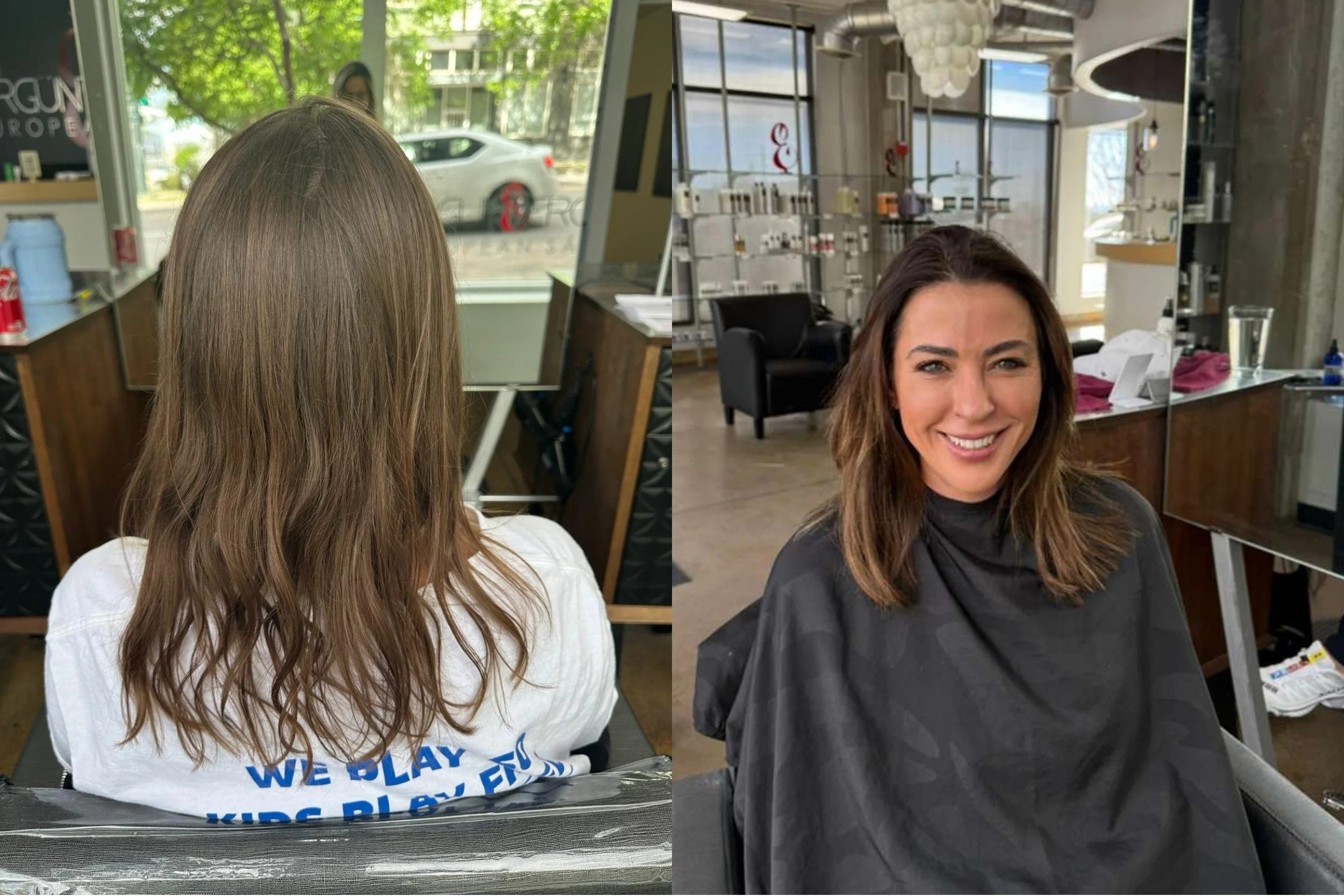
A post-removal cut is also a practical opportunity to reassess the shape that works for the natural hair without extensions and to begin planning what the hair needs to look and feel its best going forward, whether that means a new style, a different length, or a plan for the next extension installation. A haircut consultation at Ergun Tercan Salon can address all of this in one appointment following removal.
Deciding Whether to Reinstall or Take a Break
This is a question worth thinking through before the removal appointment rather than making a decision in the chair. Both options are valid, and the right answer depends on the condition of the natural hair, your lifestyle at the moment, and how the extension wear period felt overall.
Reinstalling immediately, or within a few weeks of removal, makes sense for clients whose natural hair is in good condition, whose maintenance was consistent throughout the wear period, and who found the extensions genuinely improved their daily routine. The extension hair itself can often be reused depending on the method, which reduces the cost of reinstallation for clients who took care of it during the wear period.
Taking a break is worth considering if the natural hair feels significantly more fragile than expected after removal, if the wear period involved any skipped maintenance appointments that led to tangling or stress at the attachment points, or if life circumstances have changed in a way that makes the extension maintenance schedule more demanding than it used to be. A break does not have to be permanent. It can simply be a few weeks or months of focused natural hair care before reinstalling when the hair is in a stronger baseline position.
Your stylist is the most useful resource for this decision. They can assess the condition of your natural hair at the removal appointment, tell you honestly what they see, and give you a realistic picture of what reinstallation would look like immediately versus what it might look like after a short recovery period. That honest conversation is part of what the removal appointment includes at Ergun Tercan Salon, and it is one of the reasons it is worth having the original installer perform the removal rather than someone who does not know your hair's history.
What to Ask at Your Removal Appointment
Before leaving the chair, ask your stylist to assess the condition of your natural hair and scalp and give you honest feedback on what they are seeing. Ask whether there are any areas where the attachment points caused more stress than is typical and what that means for the next installation, if reinstalling is part of the plan.
Ask about the condition of the extension hair itself if it was stored for reuse. Extension hair that was well maintained can be reinstalled multiple times depending on the method, and knowing whether the hair is in good enough condition to reuse saves the cost of new hair at the next appointment.
Ask what the recommended timeline looks like before reinstalling and what scalp and hair care routine makes the most sense during that interval. The answers to those questions are specific to your hair and your wear experience rather than generic, which is why the removal appointment is the right time to have them rather than trying to extrapolate from general advice.
If you are considering a different extension method at your next installation, the removal appointment is also a good time to revisit that conversation. The stylist has just seen your natural hair in its current state and is in the best position to advise on whether a method change makes sense or whether the current approach is still right for where your hair is.
Removal Is Part of the Process, Not the End of It
A well-planned extension cycle treats removal as one step in a continuous process rather than a separate event. The installation, the maintenance appointments, the removal, and the recovery period in between are all connected, and each stage affects how the next one goes.
Clients who approach extensions this way consistently have better outcomes than those who treat each installation as an independent event. The natural hair that comes out of a well-managed wear cycle is in better condition than the hair that comes out of a neglected one, and better-conditioned natural hair supports a better result at the next installation. If you are ready to schedule your removal appointment or have questions about what to expect for your specific extension type, book your appointment at Ergun Tercan Salon in Denver.
Frequently Asked Questions About Hair Extension Removal
Does hair extension removal hurt?
Professional extension removal using the correct solution and tools for the specific method should not be painful. Tape-in removal involves a dissolving solution that softens the adhesive before anything is pried apart. Keratin bond removal uses a bond-breaking solution that softens the bond before a tool is applied. Micro-bead removal uses a tool that opens the bead mechanically without pulling. Some mild scalp sensitivity is normal during the process, particularly if the extensions have been in place for several months, but significant pain is a signal that something is not being done correctly.
Will my hair fall out when extensions are removed?
A significant amount of hair comes out during removal, which is alarming the first time it happens. This is not new hair loss. It is the accumulated natural daily shedding that could not fall freely while the extensions were in place, releasing all at once when the extension is removed. The amount of shedding seen during removal reflects how long the extensions were worn. It does not indicate that the extensions caused damage to the follicle.
How long does hair extension removal take?
Tape-in removal for a full head typically takes one to two hours. Keratin bond removal varies based on the number of strands, with partial move-up appointments taking less time than a full removal. Micro-bead removal is generally faster than keratin because no dissolving time is required. Hand-tied weft removal time depends on the number of rows and the complexity of the installation. Removal services are not included in the original installation fee and should be budgeted for separately.
Can I remove hair extensions at home?
No. At-home removal consistently causes more damage than the extensions themselves would have caused. The dissolving solutions, bead-release tools, and cutting techniques used for professional removal are not safely replicated at home. Acetone, commonly used in DIY attempts, strips the natural hair of moisture and structural integrity. Forcing tape-in wefts off without dissolving the adhesive breaks the hair at the attachment point. Cutting hand-tied weft thread without professional precision cuts the natural hair underneath. The original installer should always perform the removal.
Can I reinstall extensions immediately after removal?
In many cases yes, depending on the condition of the natural hair after the wear period. If maintenance was consistent, the hair is in good condition, and the scalp is healthy, reinstalling in the same appointment or shortly after is a reasonable option. If the natural hair needs a recovery period, your stylist will advise this honestly at the removal appointment. Taking a few weeks between removal and reinstallation gives the scalp and hair an opportunity to reset before the next installation cycle begins.
What should I do with my hair after extension removal?
Wash with a gentle sulfate-free shampoo and a hydrating conditioner. Avoid heavy clarifying products on the first wash. Consider a trim to remove the ends that were present at the time of installation and may have become drier over the wear period. Follow the scalp care routine your stylist recommends in the days immediately following removal. If reinstalling, follow the timeline and preparation steps your stylist advises based on the current condition of your hair.
How often can extension hair be reused?
This depends on the method and how well the hair was maintained during the wear period. Tape-in extension hair can typically be reused up to three times with proper care. Hand-tied weft hair can be reused up to six times. Micro-bead extension hair can also be reused up to six times with correct maintenance. Your stylist will assess the condition of the extension hair at the removal appointment and advise on whether it is in suitable condition to reuse for the next installation.
Book Your Removal or a Free Consult

Related Reads
If This Got You Thinking, These Are Worth Reading Next
Reviving Your Scalp After Hair Extensions — covers the specific scalp care steps that support the fastest recovery between extension removal and the next installation.
Signs It Is Time to Move Up or Replace Your Extensions — helps you recognize when your current set needs attention before the removal stage, so you are not waiting longer than is good for the hair.
Best Lightweight Hair Extensions for Denver Summers — useful if you are planning a reinstall and want to think through which method makes the most sense for your lifestyle going into the next wear period.
Postpartum Hair Changes: What's Normal and What a Stylist Can Help With — relevant for postpartum clients who are removing extensions and navigating natural hair loss at the same time, since the two processes happening simultaneously can be particularly confusing.
What Ethical, Sustainable Hair Extensions Actually Mean in 2026 — worth reading if the removal process raised questions about the quality and sourcing of your current or next extension hair.