
Why Your Blonde Turns Brassy Faster in Summer
Why Blonde Hair Changes So Much During Summer
Many blondes notice the same frustrating pattern every summer. Hair that once looked bright, soft, and dimensional suddenly starts appearing yellow, orange, dull, or uneven after only a few weeks of sun exposure. This is one of the most common concerns blondes experience during warmer months, especially after vacations, swimming, or increased outdoor activity.
Summer creates the perfect environment for brassiness to develop faster. UV exposure, chlorine, hard water, sweat, heat, and mineral buildup all affect blonde hair differently than darker tones. Clients researching how to maintain bright blonde hair without constant damage often realize that preventing brassiness requires both protection and the right maintenance strategy.
Sun Exposure Oxidizes Blonde Hair
One of the biggest reasons blonde hair changes during summer is oxidation from UV exposure. Sunlight breaks down pigments in the hair, especially lighter blondes, causing warmth to become more visible over time. This is similar to how certain metals oxidize when exposed to air and sunlight.
Hair that is lighter or more porous tends to be more vulnerable because the cuticle is already more open. As the protective layer weakens, warmth underneath the blonde becomes easier to see. This is why bright blondes can quickly shift toward yellow or gold after spending time outdoors.
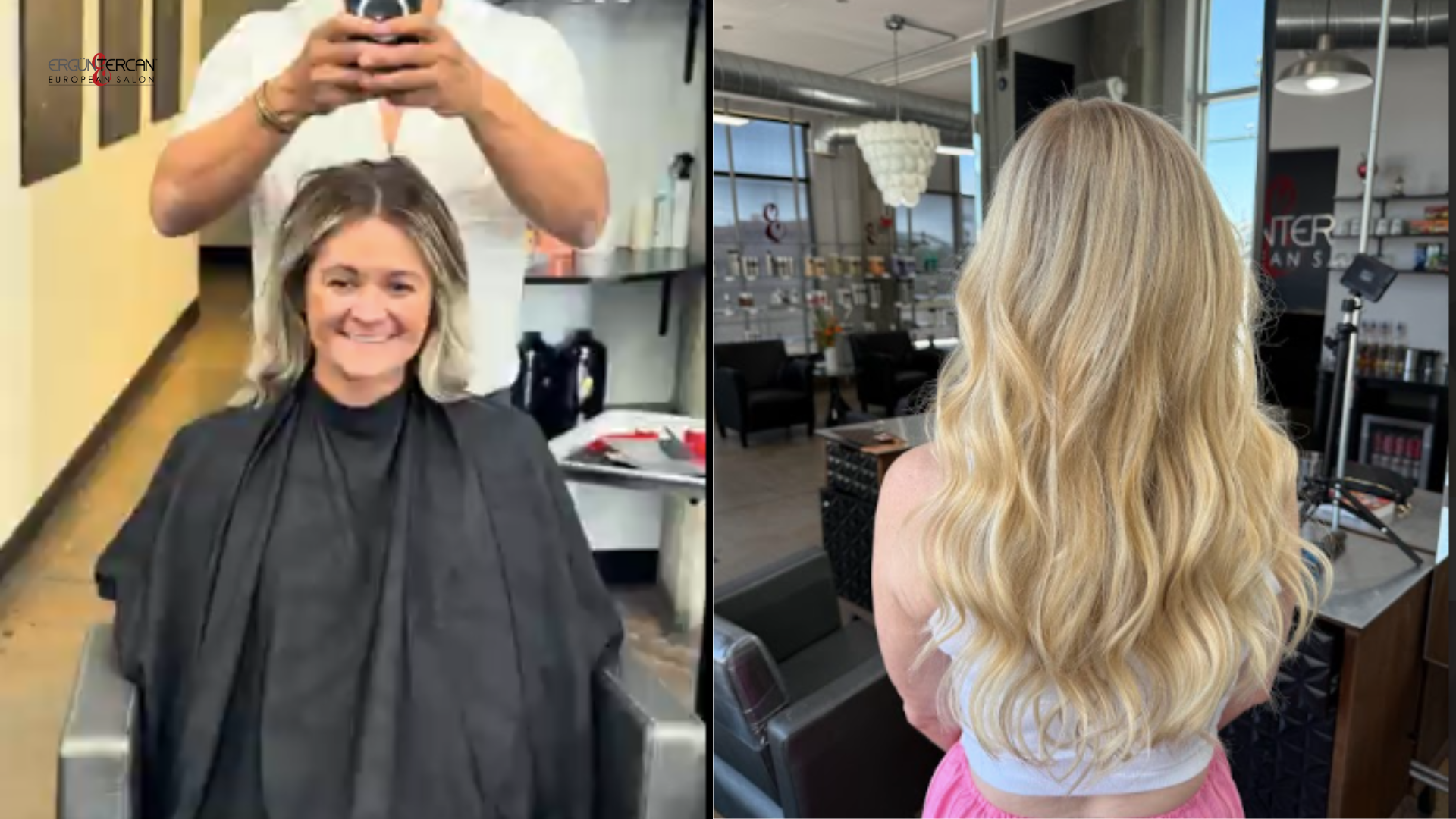
Clients who choose soft balayage and dimensional blonde techniques often notice their color grows out and fades more naturally because the tones are blended instead of appearing flat or overly processed.
Over-Lightening and the Perils of Summer Blonding
In the pursuit of a "sun-kissed" aesthetic, many people make the mistake of going too light or too blonde immediately before the summer. While bright platinum tones are stunning, they are also the most porous and susceptible to environmental damage. Chlorine and salt water can easily penetrate overly lightened hair, leading to significant brassiness or the dreaded green tint often associated with swimming.
Furthermore, the sun naturally lightens hair, so starting with a shade that is already at its limit leaves no room for natural oxidation without causing dryness. We recommend opting for a dimensional, slightly deeper tone that will "settle" beautifully in the sun. To understand how we customize color for longevity, explore our insights on how we match density and texture for a seamless, durable result.
Hard Water and Mineral Buildup Make Blonde Look Duller
Hard water contains minerals such as iron, calcium, and copper that slowly build up on the hair. During summer, increased washing, travel, and pool exposure often accelerate this process. Over time, mineral buildup can make blonde hair appear darker, duller, or more orange than before.
This buildup also affects shine and softness. Hair may start feeling rougher, less reflective, and harder to style. Professional clarifying treatments and toning services help remove buildup while restoring brightness and balance to the blonde.
At-Home Product Choices Matter More Than Most People Realize
Using the wrong products can accelerate brassiness very quickly. Sulfate-heavy shampoos, excessive heat styling, and lack of UV protection all contribute to fading and warmth exposure.
Purple shampoos can help maintain tone temporarily, but overusing them may also create dryness or uneven toning. The best results usually come from combining professional toning with a balanced at-home care routine designed specifically for blonde hair.
This is one reason clients who experience why their hair still feels dry after winter often continue struggling into summer without adjusting their products seasonally.
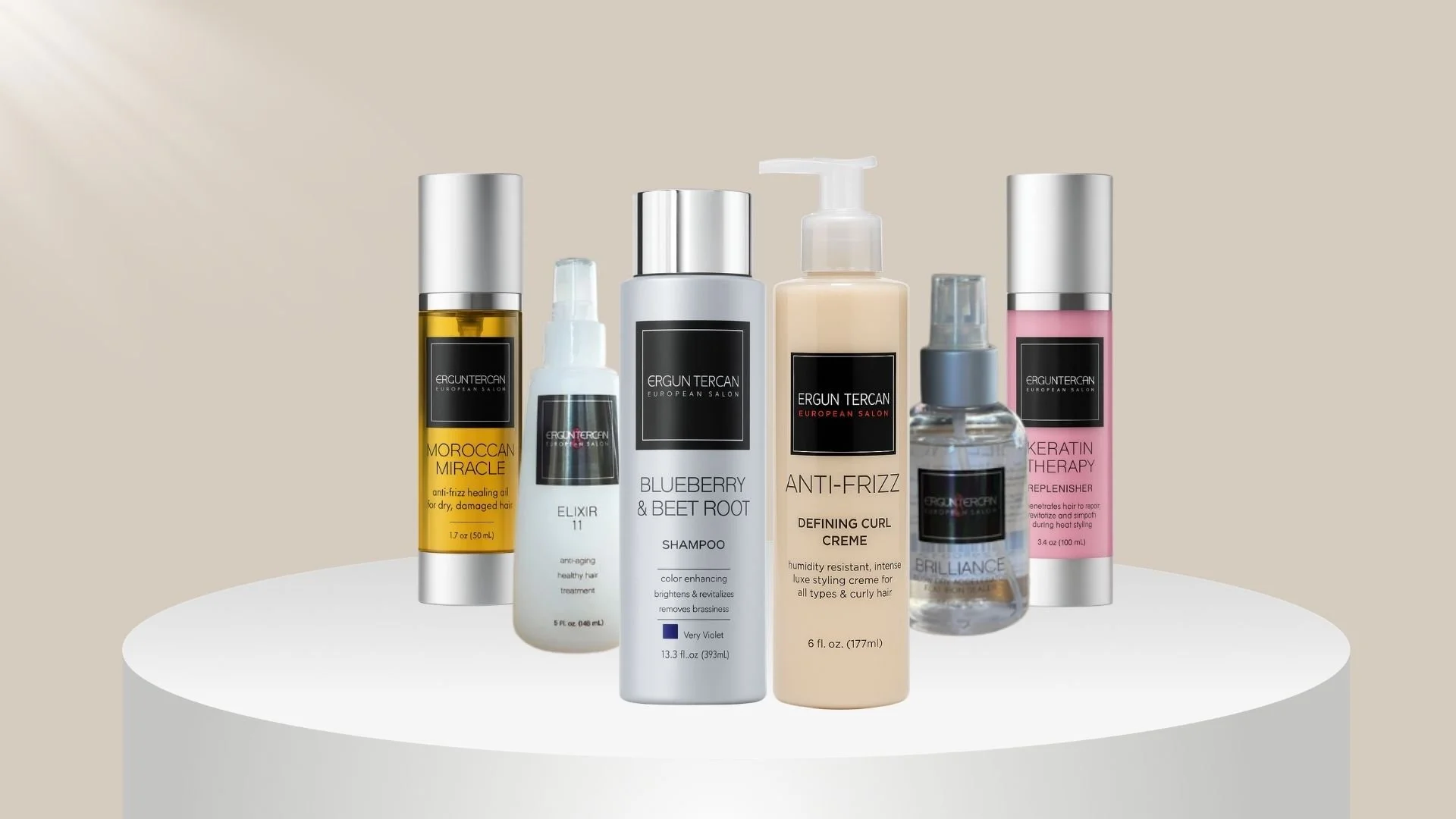
A curated selection of professional hair products needed to maintain blonde hair during summer.
Frequently Asked Questions
Can I apply coconut oil to my extensions before swimming?
While oils provide a barrier, heavy natural oils like coconut oil can actually trap heat and, in some cases, cause certain extension bonds to slip or soften. It is far more effective to use a professional leave-in conditioner specifically designed for extensions to create a protective, water-resistant shield.
Why did my blonde extensions turn orange after a vacation?
This is often caused by a chemical reaction with a common sunscreen ingredient called Avobenzone. When this chemical touches the hair and is then exposed to minerals in the water, it causes a permanent peach or orange stain. Always use mineral-based, Avobenzone-free sunscreen while wearing hair extensions.
Is it a mistake to put my extensions in a messy bun while wet?
Yes, this is a major error. Bundling wet extensions into a bun traps moisture against the bonds and the scalp for hours, which can lead to bacterial growth, scalp irritation, and severe matting. Always dry your attachment points completely before styling your hair up.
Does the sun affect the glue in tape-in extensions?
Direct, prolonged heat can soften the medical-grade adhesive used in tape-in extensions, making them more prone to slipping when you brush or style them. If you are spending a day in the sun, wearing a hat is a functional necessity to keep the adhesive cool and secure.
Can I use a clarifying shampoo every day in the summer to remove chlorine?
No, using a clarifying shampoo daily is too aggressive and will strip the essential oils from your extensions, making them feel like straw. Use a gentle sulfate-free shampoo for daily washes and reserve the clarifying treatment for once a week or after a heavy swim.
Should I get my extensions removed for the summer if I swim a lot?
Not necessarily, but you should choose a more durable method like Keratin Bonds (K-Tips), which handle water better than tapes. If you are a competitive or daily swimmer, a shorter length may also be more manageable to prevent heavy tangling.
Why is my scalp itching more than usual with my summer extensions?
Increased heat and sweat can lead to salt buildup around the attachment points, which irritates the skin. If you experience itching, ensure you are rinsing your scalp thoroughly with fresh water after perspiring and drying the roots completely.
Can I use a salt spray for beach waves on my extensions?
Salt sprays are extremely drying. While they create a beautiful texture, they can be devastating to the longevity of extension hair. If you want a beachy look, use a sugar-based texture spray or a curling iron, and always follow up with a hydrating oil on the ends.
Enjoying this read? Expand your expertise by exploring our guide about hair extensions, hair care, etc.