
Honest Answer to Whether Hair Growth Vitamins Actually Work
Do They Actually Work?
The short answer is…it depends entirely on why your hair is struggling in the first place. Hair growth vitamins and supplements genuinely help when the underlying cause of hair loss or slow growth is a nutritional deficiency. When there is no deficiency, the evidence for most marketed hair vitamins producing measurable growth in otherwise healthy adults is limited. The most important step before spending money on supplements is understanding whether a deficiency is actually driving the problem, which requires a blood panel rather than a trip to the supplement aisle. This guide explains what the evidence actually shows for the most commonly marketed ingredients, when supplementing makes sense, and what matters more than any single vitamin for the health of the hair you already have.
Why This Question Deserves a Straight Answer
Hair growth supplements are one of the most heavily marketed categories in the beauty industry, and the gap between what is claimed on the packaging and what the evidence supports is significant. This is not a condemnation of every product in the category. Some of them have genuine utility in specific situations. But most of the marketing is built around the emotional weight of hair loss rather than robust clinical evidence, and consumers deserve a clearer picture before deciding what is actually worth trying.
The reason this matters practically is that hair loss and slow growth almost always have a root cause. Treating the symptom with a supplement while the underlying cause remains unaddressed produces limited results regardless of the supplement’s quality. Understanding what is actually driving the problem is the starting point for any response that has a real chance of working.
How Hair Growth Actually Works
The Hair Growth Cycle
Each hair follicle on the head operates on an independent cycle with three distinct phases. The growth phase, called anagen, lasts between two and seven years depending on genetics and can produce roughly half an inch of growth per month. The transitional phase is brief. The resting and shedding phase completes the cycle before a new hair begins growing from the same follicle.
At any given time, most follicles on a healthy scalp are in the growth phase, with a smaller percentage in the resting and shedding phase. What most people experiencing hair loss or slow growth are actually experiencing is either a disruption to this cycle, where more follicles enter the resting phase simultaneously than is typical, or an increase in the shedding rate that creates the impression the hair is not growing when it is actually growing and being lost at the same rate.
What Can and Cannot Be Changed
Genetics sets the ceiling for how fast hair can grow and how long the growth phase lasts for any individual. No supplement, product, or treatment can exceed the genetic limit. What supplements can do is ensure that the biological environment for hair growth is as optimal as possible, which means addressing any nutritional deficiencies that are causing the system to underperform relative to its natural capacity.
This distinction matters because it means the potential benefit of hair vitamins varies enormously depending on the individual. Someone whose hair growth is limited by a genuine nutritional deficiency may see real improvement from correcting that deficiency. Someone whose hair growth is limited by genetics, age, or the natural hair cycle is unlikely to see meaningful change from supplementation alone.
What the Evidence Actually Says for the Most Common Ingredients
Biotin
Biotin is the most heavily marketed ingredient in hair supplement products, and the evidence for it is more limited than most consumers realize. Research does support biotin supplementation for improving hair growth in people who have a confirmed biotin deficiency. The problem is that true biotin deficiency is genuinely rare in adults who eat a varied diet, because biotin is found naturally in a wide range of common foods including eggs, nuts, seeds, and many vegetables.
For people without a deficiency, the evidence that extra biotin produces any measurable improvement in hair growth is not well established. The mechanism simply is not there. Adding more of something the body already has in adequate supply does not produce additional output. This is why many people take biotin supplements for months without seeing any noticeable change, then assume the dose was not high enough rather than questioning whether a biotin deficiency was ever the issue. It is also worth knowing that high-dose biotin supplementation can interfere with certain laboratory test results, which is worth disclosing to a doctor before bloodwork is drawn.
Iron
Iron is where the evidence becomes significantly more compelling, and it is one of the most genuinely impactful nutritional factors for hair growth that is frequently overlooked. Iron deficiency is one of the most common nutritional deficiencies, particularly in women of reproductive age, and it is directly linked to a type of hair loss called telogen effluvium, where a higher proportion of follicles enter the resting and shedding phase simultaneously.
Correcting an iron deficiency, once confirmed by bloodwork, can produce real and visible improvement in hair growth and density over time. This is not a fast process. Iron levels take months to restore, and the hair cycle has its own timeline for responding. But it is one of the clearest examples in the category of a supplement that works when there is a genuine deficiency driving the problem. The guide on common reasons women experience thinning hair covers how iron deficiency and other health factors contribute to hair loss in more detail.
Vitamin D
Vitamin D deficiency has been linked to various forms of hair loss, including alopecia areata, in research settings. Vitamin D receptors are present in hair follicles, which suggests it plays a role in the hair growth cycle beyond general health. The evidence here is more correlational than causal in many studies, but vitamin D deficiency is genuinely prevalent, particularly in regions with limited sun exposure through certain months of the year, and correcting it is broadly beneficial for overall health regardless of its specific impact on hair.
Unlike biotin, vitamin D deficiency is common enough that testing for it is genuinely worthwhile for many people, particularly those who live in climates with long winters, spend limited time outdoors, or have darker skin tones that reduce vitamin D synthesis from sun exposure.
Zinc and B Vitamins
Zinc deficiency can cause hair loss and is an established nutritional factor in hair health. The same pattern applies here as with iron and vitamin D: supplementing when deficient can help; supplementing without a deficiency is unlikely to produce measurable benefit. Notably, excess zinc supplementation can actually cause hair loss, which underscores why testing before supplementing matters.
B12 and folate deficiencies, more common in people following vegan or vegetarian diets, can also contribute to hair thinning and loss. These are nutritional deficiencies that are identifiable through standard bloodwork and correctable through diet or supplementation when confirmed.
Collagen and Branded Supplement Blends
Collagen supplements are increasingly included in hair-focused products based on the logic that collagen supports keratin production, which is the primary protein in hair. The research specifically on collagen and hair growth in humans is more limited than the marketing suggests, though some studies show benefit for hair strength and reduced breakage rather than growth rate specifically.
Branded supplement blends like Viviscal and Nutrafol have more clinical backing than most single-ingredient supplements, with some published studies showing improvement in hair growth metrics. The important caveat is that many of the studies available are funded by the manufacturers themselves, which introduces a bias worth acknowledging when weighing the evidence. These products are not fraudulent, but the strength of the evidence should be understood rather than taken at face value.

When Hair Vitamins Actually Do Help
The pattern across the evidence is consistent. Hair vitamins and supplements produce real benefit when they address a confirmed nutritional deficiency that is contributing to hair loss or slowed growth. Iron deficiency anemia, low vitamin D, zinc deficiency, and B12 deficiency in vegans are the clearest examples of situations where the right supplement, taken at the right dose and confirmed by a doctor, can produce genuine improvement.
Postpartum clients are another group where nutritional support for hair is genuinely relevant. Pregnancy and breastfeeding deplete a range of nutrients, and the hormonal and nutritional context of the postpartum period is a situation where the right supplementation, guided by bloodwork and a doctor’s recommendation, is more likely to be useful than it would be for someone without that specific context. The guide on postpartum hair changes covers what is actually happening to the hair during that period and what helps versus what does not.
People recovering from significant physical stress, illness, rapid weight loss, or a period of poor nutritional intake are also situations where supplementation while the body restores its reserves makes more sense than it would in an otherwise healthy adult with a balanced diet.
When Hair Vitamins Will Not Help
If the hair loss or slow growth is caused by genetics, the natural aging process, androgenetic alopecia, stress, tight hairstyles, hormonal changes, or mechanical damage from heat and chemical treatments, hair vitamins are unlikely to produce meaningful change. These are not deficiency-driven problems, and supplementing does not address their underlying mechanisms.
Similarly, if a person already has adequate levels of the marketed nutrients, additional supplementation does not stack on top of that to produce additional benefit. The body uses what it needs and excretes or stores the rest. The hair does not grow faster simply because there is more of a nutrient present than the minimum required.
The most common scenario where hair vitamins fail to deliver on expectations is one where a person with no nutritional deficiency and no deficiency-related hair loss takes a supplement and waits for growth that was never going to come from that intervention in the first place.
What to Do Before Buying Supplements
Ask a doctor to run a blood panel before purchasing any hair supplement. The specific markers worth checking include ferritin and iron, vitamin D, zinc, B12, and thyroid function. Thyroid disorders, which show up in bloodwork rather than in supplement aisles, are a frequently missed cause of hair loss that requires a medical intervention rather than a nutritional one.
This step costs the price of a standard lab visit and produces information that is actually useful. It tells you whether there is a deficiency driving the problem, which deficiency specifically, and what dose would be appropriate to address it. That is far more useful than choosing a supplement based on marketing claims or anecdotal reviews.
It is also worth noting that supplements are not regulated by the FDA in the same way that medications are. This means that the dose, purity, and actual content of what is in a supplement bottle is not held to the same verification standard as a prescription. Choosing third-party tested products when supplementing is worth the extra attention, and any supplementation beyond standard dosing should be discussed with a healthcare provider rather than decided independently.
What Actually Does Make a Measurable Difference
Diet Before Supplements
For the vast majority of people without a confirmed deficiency, diet has more impact on hair health than any supplement. Adequate protein is the single most important dietary factor for hair because hair is made of keratin, which is a protein. Chronic low protein intake directly affects the hair’s ability to grow and maintain its structure. Eggs, fish, legumes, and quality meat sources all support the protein needs that hair relies on.
Omega-3 fatty acids from fish, walnuts, and flaxseed support scalp health and have anti-inflammatory properties that benefit the follicular environment. Iron-rich foods like leafy greens, lentils, and red meat support the oxygen transport that growing hair follicles require. A diet that covers these bases consistently is doing more for the hair than most supplement stacks.
Scalp Health
The scalp is the foundation that hair grows from, and its condition directly affects how well the follicles function. Buildup from products, hard water minerals, and excess oil can block follicles and create an environment that is less supportive of healthy growth. A clean, well-circulated scalp with good moisture balance is the physical starting point for everything else.
If scalp health is a concern, the guide on why hair looks unhealthy and the common mistakes behind it covers the specific habits that sabotage scalp and hair health most consistently, many of which are more directly addressable than a nutritional deficiency.
Reducing Breakage
One of the most common reasons hair appears not to be growing is that it is growing and breaking at approximately the same rate, creating the illusion of stagnation. Heat damage, rough handling, tight hairstyles, and over-manipulation all cause breakage that keeps the hair from gaining length regardless of how healthy the follicle is at the root.
Addressing breakage through gentler styling habits, appropriate heat protection, reduced wash frequency, and regular trims to remove compromised ends often produces more visible length progress than any supplement because it allows the growth that is already happening to accumulate rather than being lost. The guide on why hair is not growing breaks down the most common reasons growth seems stalled and what the practical fixes look like.
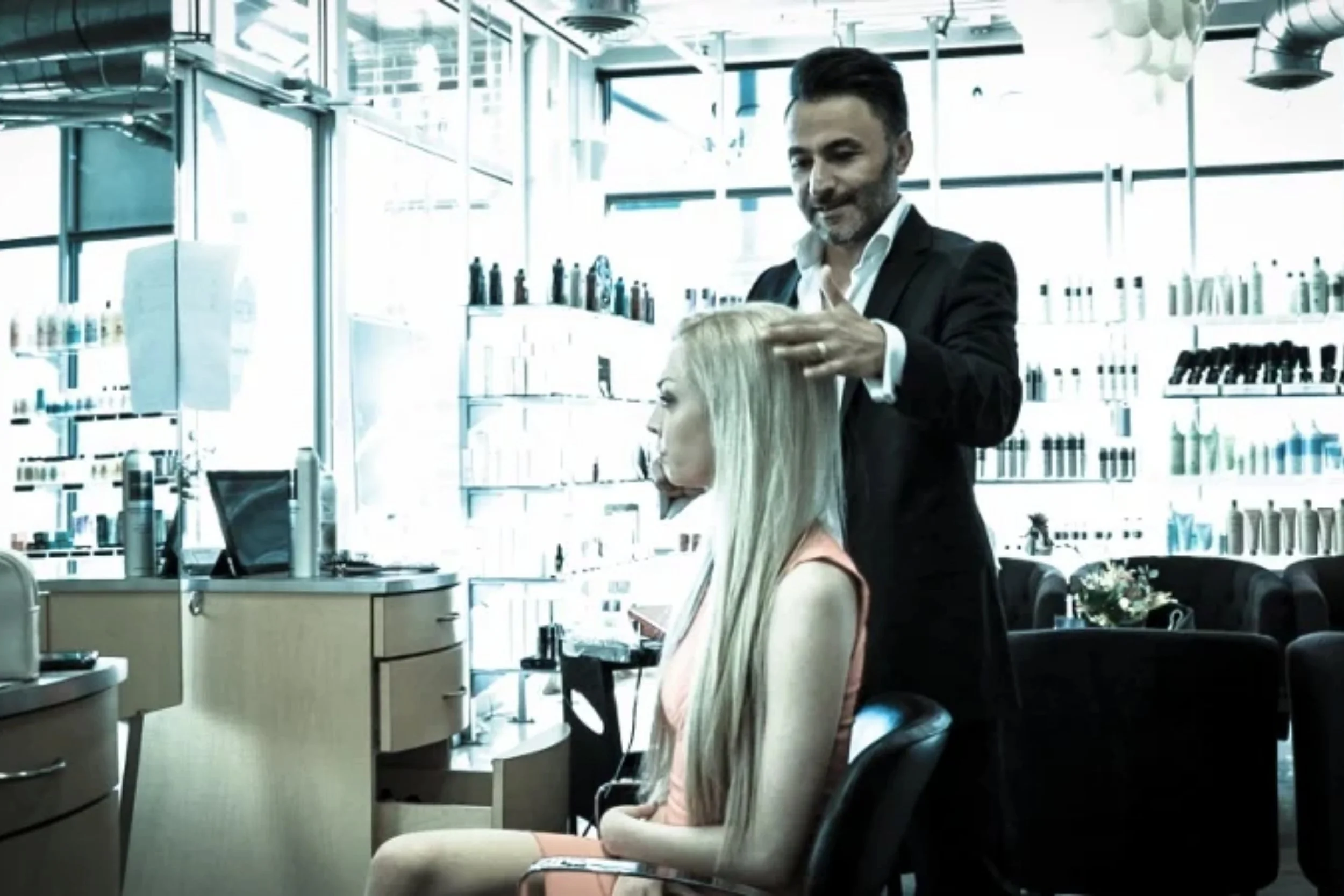
What a Stylist Can and Cannot Do for Hair Growth
A stylist cannot accelerate the biological rate of hair growth. That rate is set by the follicle and influenced by genetics, nutrition, and overall health in ways that exist beyond the scope of any salon service. What a stylist can do is support the conditions under which the hair you are growing has the best chance of staying intact and looking healthy as it grows.
A well-executed haircut that removes damaged ends prevents breakage from traveling up the shaft and removes the compromised sections that hold the rest of the hair back. A keratin smoothing treatment reduces the mechanical damage from daily styling and frizz management that contributes to breakage over time. Hair extensions, for clients who want immediate density or length while working on the underlying conditions that are affecting their natural hair, provide a cosmetic solution that does not require waiting out a growth timeline. Our hair extensions page covers the options available for clients at different stages of density and growth.
A stylist is also a useful first resource for identifying whether what a client is experiencing looks more like breakage, diffuse shedding, or pattern loss, which points toward different underlying causes and different appropriate responses. That assessment, combined with a referral to a dermatologist or physician when the hair loss pattern suggests a medical cause, is often more productive than months of self-directed supplementation without clarity on what is actually driving the problem.
The Most Useful Thing You Can Do Is Start With Information
Hair growth vitamins are not a scam and they are not a guaranteed solution. They are a tool that works in a specific set of circumstances, and those circumstances are worth confirming before investing in them.
Get the bloodwork. Eat enough protein. Address the breakage before addressing the growth rate. Understand whether what you are experiencing is a deficiency problem, a damage problem, a cycle disruption problem, or something that requires a medical conversation rather than a supplement. Each of those has a different right answer, and starting from a clear diagnosis produces better results than starting from a product label.
If you are noticing changes in your hair that are concerning and want a professional assessment of what is happening and what options are actually relevant, book an appointment at Ergun Tercan Salon in Denver. We can tell you what we see, what it suggests, and whether what you are experiencing is something a salon can address or something better directed to a physician first.
Frequently Asked Questions About Hair Growth Vitamins
Do hair growth vitamins actually work?
They work when the underlying cause of hair loss or slow growth is a nutritional deficiency that the supplement addresses. For someone with confirmed iron deficiency, iron supplementation can significantly improve hair growth over time. For someone without a nutritional deficiency, most hair vitamins are unlikely to produce measurable growth beyond what the person’s genetics and hair cycle already support. The most important step is getting bloodwork to determine whether a deficiency is actually present before deciding whether supplementation makes sense.
Does biotin help hair grow faster?
Biotin helps hair growth if you have a biotin deficiency. True biotin deficiency is uncommon in adults who eat a varied diet, because biotin is naturally present in many common foods. For people with adequate biotin levels, extra supplementation is not supported by strong evidence as a way to produce additional hair growth. High-dose biotin supplementation can also interfere with certain lab test results, which is worth disclosing to a doctor before bloodwork.
What vitamin deficiency causes hair loss?
Iron deficiency is one of the most common nutritional causes of hair loss, particularly in women. Vitamin D deficiency has also been linked to certain types of hair loss. Zinc deficiency and B12 deficiency can contribute as well, and are more common in people following restricted diets. The only reliable way to know which, if any, deficiency is present is through a blood panel ordered by a doctor rather than through self-assessment.
What is the most effective supplement for hair growth?
The most effective supplement for hair growth is whichever one addresses a confirmed deficiency in your specific bloodwork. There is no single supplement that works universally for all people experiencing hair loss because the causes vary. For people with iron deficiency anemia, iron is the most impactful. For people with low vitamin D, vitamin D is the most relevant. For people without any confirmed deficiency, no supplement has strong evidence for producing meaningful additional growth.
Can diet affect hair growth?
Yes, significantly. Adequate dietary protein is the most important nutritional factor for hair because hair is made of keratin, a protein. Chronic low protein intake directly affects the hair’s growth and structural integrity. Iron, omega-3 fatty acids, zinc, and vitamin D from food sources also support the follicular environment that hair grows from. For most people, improving the diet has a more direct and measurable impact on hair health than supplementing on top of an already deficient diet.
How long do hair vitamins take to work?
If a supplement is addressing a genuine nutritional deficiency, the timeline for visible improvement in the hair is typically three to six months, because the hair cycle has its own timeline for responding to changes in the nutritional environment. Nutrient levels in the blood may begin restoring sooner, but the hair that grows reflecting improved nutrition takes time to emerge and gain visible length. This is why many people give up on supplementation before it has had adequate time to work, and also why starting from a confirmed deficiency makes the investment more worthwhile.
Should I see a doctor before taking hair vitamins?
Yes, particularly before taking anything beyond a standard multivitamin. A blood panel is the most useful tool for determining whether supplementation is likely to help and which specific nutrients to address. Some supplements, including zinc and fat-soluble vitamins, can cause harm at excessive doses. Thyroid dysfunction, which mimics nutritional deficiency in its effect on the hair, requires a medical diagnosis and treatment rather than supplementation. Starting with a medical assessment produces a more targeted and safer approach than self-directed supplementation based on marketing.
Related Reads
If This Got You Thinking, These Are Worth Reading Next