
Espresso Hair Color: What It Is and Who It's For
Espresso Hair: The Brown Everyone Wants This Fall
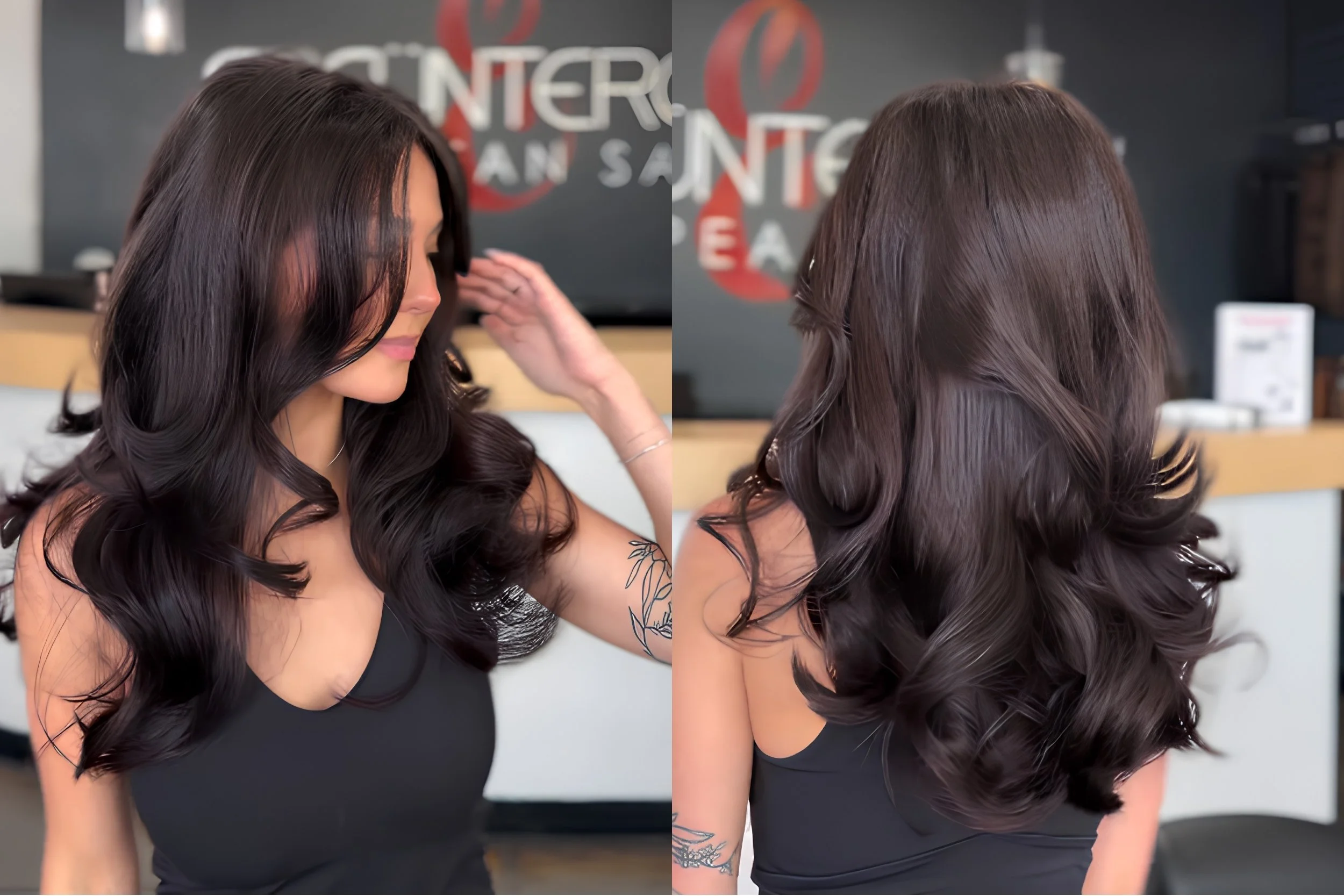
Espresso hair is a deep, rich brown that reads almost black in low light but reveals warm or cool brown undertones in natural sunlight. It is not a single formula. It is a color direction, and the specific interpretation depends on the client's natural base, skin tone, and how dimensional or uniform they want the result. An espresso melt takes that base shade and blends it into slightly lighter brown tones through the mid-lengths and ends, eliminating any hard lines and creating a seamless, glossy depth. This is the color that is consistently showing up at fall color consultations right now, and this guide explains exactly what it is, who it works for, and what the process of getting there looks like.
What Espresso Hair Actually Is
The Difference Between Espresso and Dark Brown
Dark brown is a category. Espresso is a specific interpretation of it. What separates espresso from other dark browns is its depth and its undertone quality. Espresso sits at the very deep end of the brown spectrum, where the base reads dark enough to appear almost black under indoor lighting but has enough brown in it to show richness and warmth when light hits it directly.
The richness is the key word. Espresso hair does not look flat or opaque the way a true black does. It has a glossy, multi-dimensional quality that catches light and shows depth rather than absorbing it entirely. That reflective quality is what makes it look expensive rather than simply dark, and it is the reason clients who have tried going very dark before and found it flat are often surprised by how different a well-executed espresso turns out.
What an Espresso Melt Actually Means
An espresso melt takes the base espresso shade and blends it seamlessly into slightly lighter brown tones through the mid-lengths and ends. The word melt refers to the technique: rather than a defined line between two shades, the color transitions gradually and without any visible demarcation, so the overall effect reads as one cohesive color with depth rather than two colors placed next to each other.
The melt is what gives this approach its longevity as a result. Because the grow-out is built into the design rather than happening against it, the root emerging at the scalp reads as part of the intended look rather than as evidence that an appointment has been missed. For clients who want a rich, dark color without the high-maintenance grow-out cycle that other dark shades create, the espresso melt addresses both requirements simultaneously.
Why Espresso Is the Fall Color of the Moment
There is a predictable rhythm to how hair color trends move seasonally, and fall almost always pulls the conversation toward depth and richness. What is different about the current moment is that espresso specifically is replacing two different directions that have run their course: the extremely warm, heavily toned brunettes of previous fall seasons, and the very cool, almost gray-leaning dark browns that dominated for a period before that.
Espresso sits in a more balanced tonal position than either of those. It is not aggressively warm and it is not cool or ashy. It has enough warmth to feel rich and seasonal without tipping into the red-brown territory that requires frequent toning to stay intentional. This tonal balance is a significant part of why the color wears well across a wide range of people and why it photographs consistently well regardless of the light conditions or the filter applied.
There is also a texture dimension to why this color is resonating. Espresso hair shows shine in a way that lighter colors do not. Deep, dark browns reflect light as a single cohesive band rather than breaking it up across multiple tones, which creates that glossy, almost liquid quality that has become one of the most sought-after visual qualities in hair right now. A deeply conditioned espresso result in fall light is genuinely striking, and that visual impact is part of why the color continues to build momentum rather than peaking and fading.
Who Espresso Hair Works Best For
Skin Tone Considerations
Espresso hair is one of the more versatile deep brunette options because its tonal balance means it does not create problematic contrast against most complexions. Olive and medium skin tones are where espresso tends to look most natural and most striking, because the depth of the color complements the complexity of the complexion rather than creating an imbalance. Rich chocolate browns and deep espresso shades are specifically noted as particularly striking against olive complexions, which is a pattern that holds true in practice.
Fair and very light skin tones require more careful consideration before committing to espresso. A deep, highly saturated espresso on a very light complexion creates significant contrast that can read as harsh rather than dramatic. The solution is rarely to avoid the color entirely, but rather to soften it slightly through the face-framing areas, add subtle warmth through the mid-lengths, or choose a version of espresso that leans slightly lighter to reduce the severity of the contrast. A colorist who understands the relationship between shade depth and skin tone will navigate this naturally during the consultation without needing to be prompted.
Medium and deeper skin tones pair beautifully with espresso across the full range of the shade, from slightly lighter interpretations to the deepest, most saturated versions. The richness of the color adds a complementary warmth and depth that flatters these complexions in a way that lighter colors often cannot.
Natural Base Color Considerations
Natural brunettes and those who are already in the dark brown range are the most straightforward candidates for espresso because the lift required to reach the shade is minimal. In many cases, a single process color application, a gloss over existing dark brown, or a color melt that deepens the existing base is all that is needed to achieve a true espresso result. The hair's natural pigment is working in the same direction as the target shade rather than against it.
Natural blondes or clients who are currently wearing a significantly lighter color face a more involved process. Going from a light or highlighted base to a deep espresso requires a careful approach to avoid the color looking flat, getting color trapped in the ends, or fading unevenly. This transition almost always benefits from a staged approach across two appointments rather than attempting the full depth change in one session.
Clients who are transitioning away from a heavily highlighted or lightened color are worth mentioning specifically. If the hair has significant porosity from bleach or lightening, it absorbs dark color unevenly and can fade back toward unwanted warmth faster than color placed on a more intact base. This does not make espresso the wrong direction, but it does mean the consultation needs to surface this history so the colorist can factor it into the approach.
How Espresso Hair Is Achieved
Single Process All-Over Color
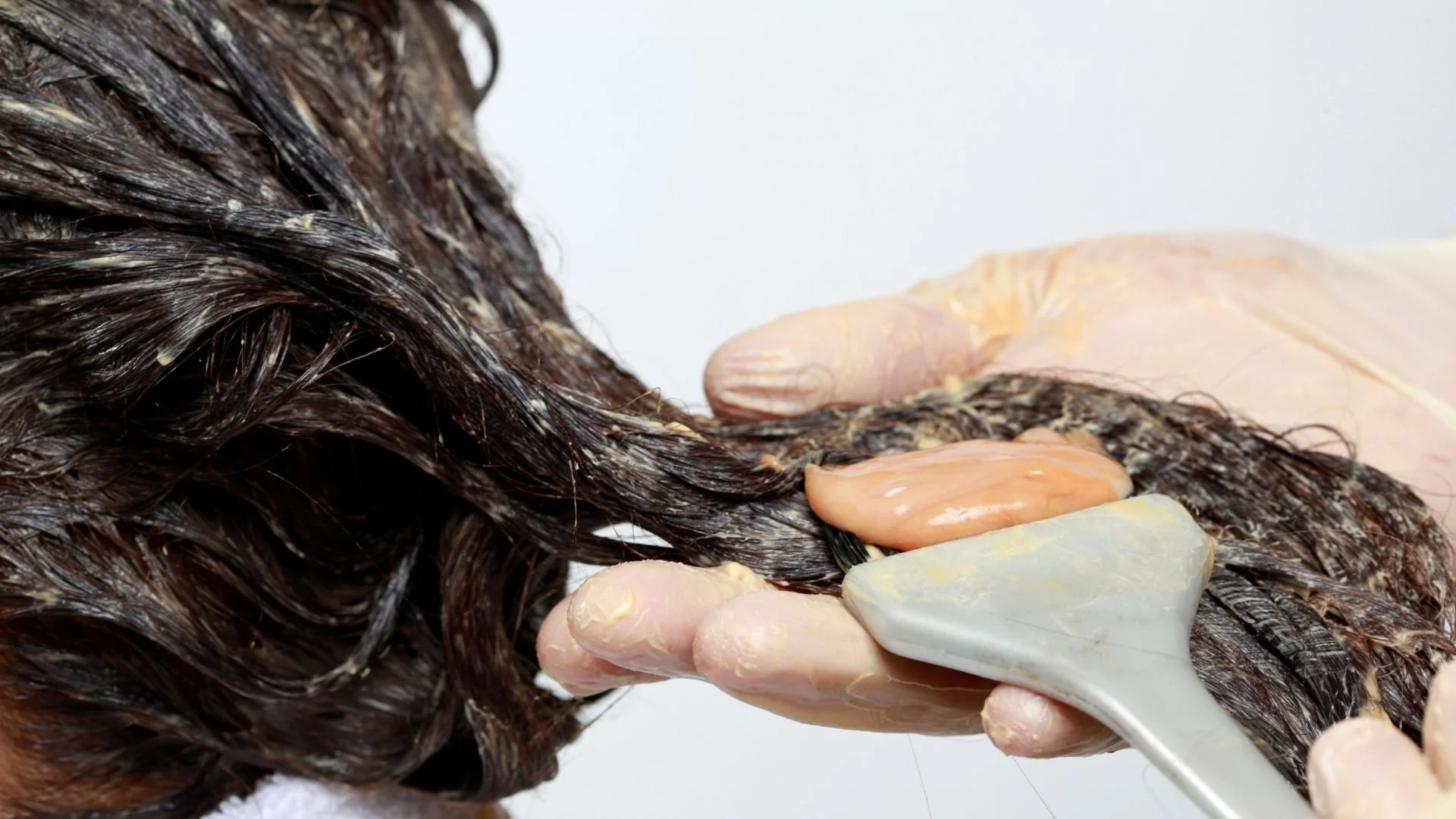
For clients whose natural base is already in the dark brown range, a single process color application is often the cleanest and most efficient way to reach a true espresso result. The formula is applied from root to tip or focused on the root area and mid-lengths, depositing the espresso pigment over the existing base to create a uniform, richly saturated result.
The limitation of a straight all-over single process is that without any intentional variation built in, the result can look flat on longer hair or in very bright light. For clients with shorter hair or who genuinely want a uniform, sleek result, this is not a problem. For clients with longer hair who want the glossy, dimensional quality that makes espresso look as good as it does in photographs, adding some variation through technique is what takes the result from dark brown to genuinely striking.
Color Melt
A color melt creates a seamless transition between two or more shades within the same tone family. For an espresso melt specifically, the deepest espresso shade sits at the root and through the upper portion of the hair, then melts gradually into a slightly lighter chocolate or warm brunette through the mid-lengths and ends. There is no defined point at which one color ends and the other begins. The transition is gradual enough to be imperceptible.
This is the technique that gives espresso hair its reputation for looking expensive and its longevity as a result. Because the color is intentionally graduated, the grow-out follows the same gradient rather than creating a line. Clients who choose a color melt typically find they can go significantly longer between appointments without the result looking neglected.
Gloss Over Existing Dark Brown
For clients who are already in the dark brown range and want to deepen and enrich their color rather than fundamentally change it, a color gloss is one of the most efficient options. A gloss does not lighten or dramatically alter the existing base, but it deposits a transparent layer of rich espresso-toned pigment that deepens the overall color, adds an extraordinary amount of shine, and gives the hair that polished, reflective quality that is a defining characteristic of espresso done well.
A gloss result lasts four to six weeks before gradually fading rather than growing out with a hard line, which makes it an appealing option for clients who want to explore espresso before committing to a longer-term color change. The service can be added on at the end of a regular color and highlights appointment or booked as a standalone service.
Root Shadow Into Espresso
For clients who are coming from a lighter base with highlights, a root shadow in an espresso or dark espresso tone is one of the most effective ways to begin moving toward the deeper direction without making a jarring commitment in a single appointment. The shadow deepens the root area and creates the visual impression of richness and depth through the first few inches of growth without changing the rest of the color.
Over subsequent appointments, the depth can be pulled further through the lengths as the client's preference and comfort with the darker direction develops. This staged approach is almost always more successful than attempting to take a highlighted client all the way to espresso in one session, both in terms of how the color looks and how the hair responds to the process.
How Espresso Hair Compares to Similar Colors
Espresso vs. Chocolate Brown
Chocolate brown sits several levels lighter than espresso. Where espresso reads almost black in low light, chocolate brown reads clearly as a medium-to-dark brown in any lighting condition. Chocolate brown also tends to carry more warm red or chestnut undertones, while espresso is more neutral to slightly cool in its undertone depending on the specific formula. The distinction matters for clients who want depth and drama versus warmth and softness, which points toward espresso and chocolate respectively.
Espresso vs. Mocha
Mocha sits closer to espresso in depth but with a distinctly cooler, more ashy undertone. It is a brown that leans toward gray or taupe rather than warm or neutral. Espresso has more inherent richness and warmth than mocha, even at its coolest interpretation. The practical difference is that mocha reads more muted and sophisticated while espresso reads richer and more luxurious. Both are beautiful directions, and the right choice depends on the client's skin tone and the overall quality they are looking for in the color.
Espresso vs. Black
The distinction between espresso and black is what matters most for clients who want depth without looking like they dyed their hair. True black hair color is fully saturated with no brown undertone visible, which reads as flat in photographs and artificial in person for most clients whose natural color is not genuinely black. Espresso preserves the brown undertone that makes the color look like a very rich version of your own hair rather than an overlay applied on top of it. This is the difference clients who have tried going very dark before and been disappointed with the result are most often looking for.
What to Expect From Maintenance
Espresso hair, particularly when applied as a color melt, is one of the more low-maintenance color directions available in the dark brunette family. The grow-out is designed to be seamless, which means the natural root emerging at the scalp follows the same gradation as the intentional design rather than contrasting with it.
Most clients on an espresso melt schedule find they can go twelve to sixteen weeks between full color appointments, with an optional gloss service around the six-to-eight week mark if they want to refresh the shine and depth without a full color appointment. This makes espresso significantly less demanding than highlighted or lightened color, which requires much more frequent attention to maintain the intended result.
The main at-home care priority for espresso hair is sulfate-free shampoo and limited wash frequency. Dark color pigments, like all color, exit the hair shaft with every shampoo cycle. The deeper the color, the more noticeable the fade if washing is frequent and the shampoo formula is stripping. Two to three washes a week with a sulfate-free formula keeps the color richer for significantly longer between appointments. The guide on overwashing covers the practical strategies for reducing wash frequency in a way that is realistic rather than aspirational.
How Denver's Conditions Affect Deep Brown Color
Denver's hard water, high altitude, and dry air create specific conditions for deep brunette color that are worth understanding before booking an espresso appointment.
Hard water is one of the most significant factors for dark brunette color specifically. The mineral deposits that hard water leaves on the hair shaft create a dull, matte coating that is particularly visible on dark hair because the contrast between the mineral coating and the natural shine of a deep brunette is more apparent than it would be on lighter hair. A chelating or clarifying wash used once every four to six weeks removes those mineral deposits and allows the true richness of the color to come through. The hard water guide covers exactly what mineral buildup does to color and how to manage it in Denver's conditions.
UV exposure at Denver's altitude also affects dark brunette color, though in a different way than it affects lighter or highlighted hair. Dark color fades toward warmth under UV, which can shift an espresso toward a slightly more reddish or orange-toned brown over time if the hair is unprotected. A UV-protective leave-in spray applied before extended outdoor time is a simple habit that maintains the tonal accuracy of the espresso result across the fall and winter season.
What to Ask at Your Espresso Color Consultation
Before your appointment, collect two or three photos of espresso results that specifically appeal to you. Within the espresso category there is meaningful variation between very cool and very warm interpretations, between extremely uniform depth and intentionally graduated color melt results, and between shorter hair applications and longer ones where the melt is more visible. The photos help your colorist understand which specific version of espresso you are drawn to rather than working from the word alone.
Share your full color history at the consultation. Whether you have highlights, previous color, a keratin treatment, or any other chemical service history in the hair directly affects how the colorist approaches the espresso application. Hair that has been lightened absorbs dark color differently than hair that has not, and a colorist who knows your history can build that into the formula and technique before the appointment begins rather than discovering it mid-service.
Ask specifically about the undertone of the espresso formula being used for your hair. The same target shade can be formulated with warm, cool, or neutral undertones, and which direction works best depends on your skin tone and your personal preference for how the color reads. This is a specific enough question that it signals to your colorist that you understand the technical dimension of the decision, which tends to produce a more thorough and useful answer than simply asking for espresso and leaving the rest to chance.
If you are coming from a lighter base or a heavily highlighted color, ask what the realistic timeline looks like for getting to a true espresso result and what the hair will look like at each stage. Understanding whether this is a one-appointment transition or a staged process across two or three visits sets the right expectations before you commit, and a colorist who addresses this proactively rather than after the first appointment is one who is working in your interest. You can book a color consultation at Ergun Tercan Salon in Denver and have that full conversation before any color is applied.
Rich, Dark, and Worth It
Espresso hair is not simply dark brown with a seasonal name attached to it. It is a specific depth and tonal quality that, when executed well, produces one of the most universally flattering and visually impactful color results available in the brunette family. The glossiness, the depth, the low-maintenance grow-out, and the way it reads in fall and winter light all contribute to why this shade is consistently the first thing clients point to when they sit down for a fall color consultation.
If espresso has been on your mind and you want to understand what version of it makes the most sense for your specific hair and skin tone, book your color appointment at Ergun Tercan Salon in Denver. Bring your photos, share your history, and let the consultation do the work of turning the idea into the right result for you specifically.
Frequently Asked Questions About Espresso Hair Color
What is espresso hair color?
Espresso hair is a deep, rich brown that reads almost black in low light but reveals warm or cool brown undertones in natural sunlight. It sits at the darkest end of the brunette spectrum and is distinguished from true black by the richness and dimension that its brown undertone creates. An espresso melt specifically refers to a technique where the deepest espresso shade at the root transitions seamlessly into slightly lighter brown through the mid-lengths and ends, creating a graduated, seamless result with no defined lines.
What skin tones does espresso hair work for?
Espresso hair works across a wide range of skin tones, though the specific interpretation of the shade should be calibrated to the individual. Olive, medium, and deeper skin tones tend to pair beautifully with espresso across its full depth range. Fair skin tones benefit from a slightly softer version of espresso, with consideration given to face-framing areas and the overall contrast level to avoid the color reading as harsh rather than dramatic. A colorist who assesses your skin tone in person is the most reliable guide for which version of espresso works specifically for you.
What is the difference between espresso hair and dark brown hair?
Espresso is a specific interpretation within the dark brown category. It sits at the deepest end of the brunette spectrum, closer to black than most dark browns, and is defined by a glossy, rich quality that comes from its neutral-to-warm undertone balance. Most dark browns in the medium range carry more visible warmth or more lightness than espresso. The distinction matters because espresso's depth is what produces the characteristic shine and visual impact that makes it a distinct result rather than simply a darker version of a standard brunette color.
Is espresso hair high maintenance?
No, particularly when applied as a color melt. The seamless grow-out design means the natural root emerging at the scalp follows the same gradation as the intended color rather than contrasting with it. Most clients can go twelve to sixteen weeks between full color appointments, with an optional gloss service around six to eight weeks to refresh the shine and depth. Sulfate-free shampoo and limited wash frequency are the most important at-home habits for maintaining the richness of the color between appointments.
Can I go from highlighted or blonde hair to espresso in one appointment?
In most cases this transition takes more than one appointment to execute well. Highlighted or lightened hair is more porous than unprocessed hair, which means it absorbs dark color unevenly and can fade back toward unwanted warmth faster. A staged approach across two or three appointments typically produces a more even, lasting result. A colorist who is honest about this at the consultation is protecting both the quality of the outcome and the health of your hair rather than simply telling you what you want to hear.
How do I maintain espresso hair color at home?
Sulfate-free shampoo is the most important product switch for maintaining any deep brunette. Sulfates strip color pigment aggressively and shorten the lifespan of the result. Washing two to three times a week rather than daily preserves the depth and richness significantly longer between appointments. In Denver specifically, a UV-protective leave-in applied before outdoor time prevents the UV oxidation that shifts espresso toward a warmer, more reddish tone over time. A chelating or clarifying wash used once every four to six weeks removes hard water mineral deposits that dull dark hair more visibly than lighter shades.
What is an espresso melt and how is it different from a regular espresso color?
An espresso melt is a specific color technique where the deepest espresso shade sits at the root and transitions gradually into a slightly lighter brown through the mid-lengths and ends, with no defined line between the two shades. A regular espresso all-over color is uniform from root to tip. The melt adds dimension and creates a more forgiving grow-out because the graduation is part of the design rather than something that happens against it. The melt is also what produces the multi-dimensional, glossy quality that makes espresso hair look as distinctive as it does in natural light.
Related Reads
If This Got You Thinking, These Are Worth Reading Next