
What Your Hair Actually Needs After Summer Season
How to Reset Your Hair Care Routine
Summer is consistently the most damaging season for hair, and the damage is rarely dramatic enough to notice until September arrives and the hair suddenly feels different from how it did in May. A summer reset starts with an honest assessment of what the hair absorbed over the past three months, then works through a deliberate sequence: a clarifying wash to remove mineral and product buildup, a deep conditioning treatment to restore moisture, a trim to remove compromised ends, and a recalibrated wash routine going into fall. This guide covers each of those steps, what to prioritize for color-treated and extension clients specifically, and which salon appointments are worth booking first.
What Summer Actually Does to Your Hair
UV and Heat Damage
UV exposure does not just lighten hair color. It gradually degrades the protein structure of the hair shaft, which is the internal architecture that gives the hair its strength and elasticity. Hair exposed to months of direct sun becomes more porous, which means it absorbs moisture quickly and loses it just as fast. That porosity is what causes frizz, dryness, and a brittleness that does not respond to conditioner the way it used to.
The effect is cumulative. One afternoon in the sun barely registers. Three months of Colorado summer, with Denver's altitude amplifying UV intensity beyond what most people account for, adds up to a level of protein degradation that shows up clearly in September as hair that breaks more easily, loses its shine, and holds style less reliably than it did in spring.
Hard Water From Travel, Pools, and Changing Water Sources
Summer typically involves travel, and travel means exposure to different water sources. Hotels, vacation rentals, and pools all introduce minerals and chemicals to the hair that accumulate on the shaft over weeks of exposure. Chlorine from pool water is oxidizing, which means it actively breaks down both color pigment and hair protein. Calcium and magnesium from hard water create a mineral coating that makes the hair feel rough, dull, and resistant to conditioning.
Denver's own water supply also has a hard water component worth knowing about. If the hair has been feeling particularly dull or dry compared to previous summers, mineral buildup from the local water is frequently a contributing factor rather than just the UV exposure. The hard water guide covers exactly how mineral buildup affects both natural hair and extensions, and what the practical solutions look like.
The Wash Routine That Fell Apart
Summer disrupts wash routines more consistently than any other season. Travel, outdoor activity, heat, and the general loosening of structure that summer encourages all contribute to inconsistent washing, product switching, and extended periods without the regular care habits that kept the hair in good condition through spring.
Some of that disruption is fine. Hair is resilient and can absorb a summer of irregular care without permanent consequence. What matters is identifying specifically where the routine broke down and what it needs to get back on track, rather than simply resuming the pre-summer routine and hoping everything returns to baseline on its own.
What Happened to Color-Treated Hair
Color-treated hair absorbs summer damage at a higher rate than uncolored hair because the color process alters the porosity of the strand, making it more vulnerable to UV oxidation, chlorine exposure, and mineral buildup simultaneously. Blonde and lightened hair sees the most visible shift, often returning from summer several shades brassier, drier, or more uneven than when the season started. Warm tones fade toward washed-out, and cooler tones frequently take on an orange or yellow cast from oxidation.
This is not a failure of the color service. It is a predictable outcome of the summer environment on chemically treated hair, and it is entirely correctable once the hair is assessed properly and the right sequence of restoration appointments is scheduled.
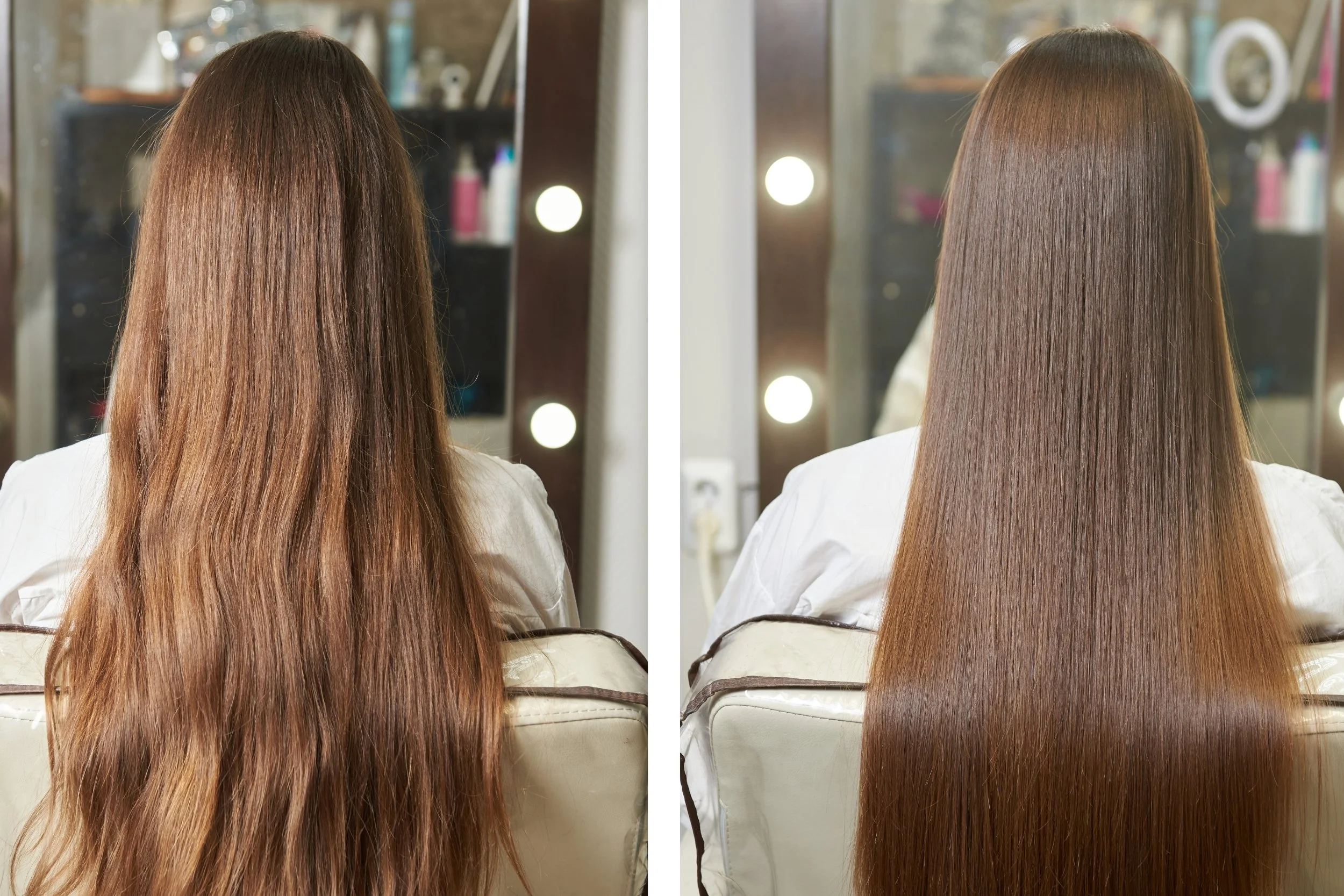
Step 1: Honestly Assess Where Your Hair Is Right Now
Before rebuilding a routine, it is worth actually looking at the hair with the specific questions summer damage raises in mind. Not just whether it feels dry, but where it feels dry, when the texture changed, and what specific behaviors are different from before summer started.
Run a strand through your fingers from root to tip on a dry, unstyled day. If the mid-lengths and ends feel rougher or more porous than the root, that is UV and heat damage showing up most visibly where the hair has been longest and most exposed. If the hair feels coated, dull, or resistant to conditioning despite regular use, mineral buildup from hard water or pool exposure is likely the primary culprit rather than dryness. If the color looks significantly duller or more orange or yellow than when you left the salon, that is oxidation from UV and chlorine working on the pigment molecules.
Each of these diagnoses points toward a slightly different reset sequence, which is why the assessment step matters rather than skipping straight to any single treatment.
Resetting Your Wash Routine First
The wash routine is the foundation of everything else, and summer almost always disrupts it in ways that are easy to miss. Washing more frequently to manage sweat and outdoor exposure strips the scalp of its natural oil balance. Washing less consistently while traveling or on vacation allows buildup to accumulate without regular cleansing.
Coming out of summer, the most common wash routine correction needed is a reduction in frequency rather than an increase. Daily washing after months of heat and sweat feels necessary but tends to maintain the scalp's overproduction of oil rather than allowing it to rebalance. Two to three washes a week is the right target for most hair types coming into fall, and the scalp typically adjusts within two weeks. The full reasoning and practical strategies for making that adjustment without the hair feeling neglected are in the guide on overwashing.
Product switching also matters at this transition point. If summer required heavier leave-ins, UV sprays, or salt water-specific products that are no longer needed, clearing those out of the routine now prevents unnecessary residue buildup on the shaft going into fall. The at-home haircare guide covers the specific product building blocks that work for Denver's climate across seasons.
The Clarifying Wash: Where Every Post-Summer Reset Starts
A clarifying shampoo does what a regular sulfate-free shampoo cannot. It removes mineral deposits from hard water, residual product buildup, chlorine residue, and sunscreen from the hair shaft, giving the conditioner and any subsequent treatments a clean surface to work on rather than sitting on top of a mineral and product layer.
One clarifying wash at the start of the fall reset is the right approach. Using it regularly throughout the season is too stripping. Think of it as clearing the slate so everything that comes after it can actually penetrate the strand rather than just coating a surface that is already blocked. Follow the clarifying wash immediately with a deeply hydrating conditioner or hair mask, because the clarifying process removes both the unwanted buildup and some of the hair's natural moisture simultaneously.
Deep Conditioning and Protein Repair After Summer
The difference between a moisture treatment and a protein treatment matters at this stage. Summer damage affects both moisture levels and protein integrity, but the sequence in which they are addressed changes the outcome.
Hair that is primarily dry and dehydrated after summer benefits from a moisture-focused deep conditioner applied first. Hair that feels weak, stretchy when wet, or prone to breaking at the shaft has protein loss as the primary issue and benefits from a protein-rich treatment. In many cases the hair needs both, applied at separate wash sessions rather than simultaneously, because overdoing protein on already protein-saturated hair creates brittleness rather than strength.
If you are unsure which category your hair falls into, the most practical test is the wet stretch test. Take a single wet strand and gently stretch it. Hair that stretches significantly and does not spring back is moisture-deficient. Hair that breaks immediately without stretching at all is protein-deficient. Hair that stretches slightly and springs back is in reasonable balance. This is an imperfect test but a useful starting point when you are trying to prioritize between moisture and protein in the reset sequence.
Getting a Trim After Summer
The ends of the hair accumulate the most damage over summer because they are the oldest part of the strand and have had the longest exposure to everything the season delivers. A trim after summer is not optional maintenance. It is the removal of the section of the hair that is no longer in good enough condition to hold style, take color, or behave consistently.
Clients who resist trims because they are working toward length tend to be the same clients who find their hair stops growing past a certain point. What is actually happening is that the ends are breaking off at approximately the same rate as new growth is coming in at the root, creating the illusion that the hair has stopped growing. Removing the compromised ends gives the rest of the hair a clean, strong baseline to grow from rather than a frayed, porous endpoint that continues to deteriorate.
A haircut appointment in September or early fall is one of the most productive salon investments of the year. It closes out the summer damage, resets the shape, and gives the hair the best possible starting point for the fall and winter months.
Addressing Summer Color Fade
If the color looks different from when summer started, the approach depends on what kind of different it looks. Faded, washed-out color that has lost saturation generally needs a gloss or toning service to restore vibrancy. Brassy or orange-shifting color that has oxidized needs a corrective toner to neutralize the unwanted warmth before any new color is added.
Neither of these is the same as a full recolor appointment, and starting with the right targeted service saves time, money, and unnecessary chemical processing on hair that is already stressed from summer. A colorist who assesses the current state of the color before recommending a service is doing the work correctly. One who books a full highlight or color appointment without first understanding what the summer did to the existing color is likely to produce a result that does not address the actual problem.
Understanding why color fades in summer, and what the right correction sequence looks like, is covered in detail in the color fading guide. For blonde clients specifically who are dealing with the warm shift that Denver summers reliably produce, the guide on why blonde turns brassy faster in summer explains the mechanism behind the oxidation and what keeps it from happening at the same rate going into fall.
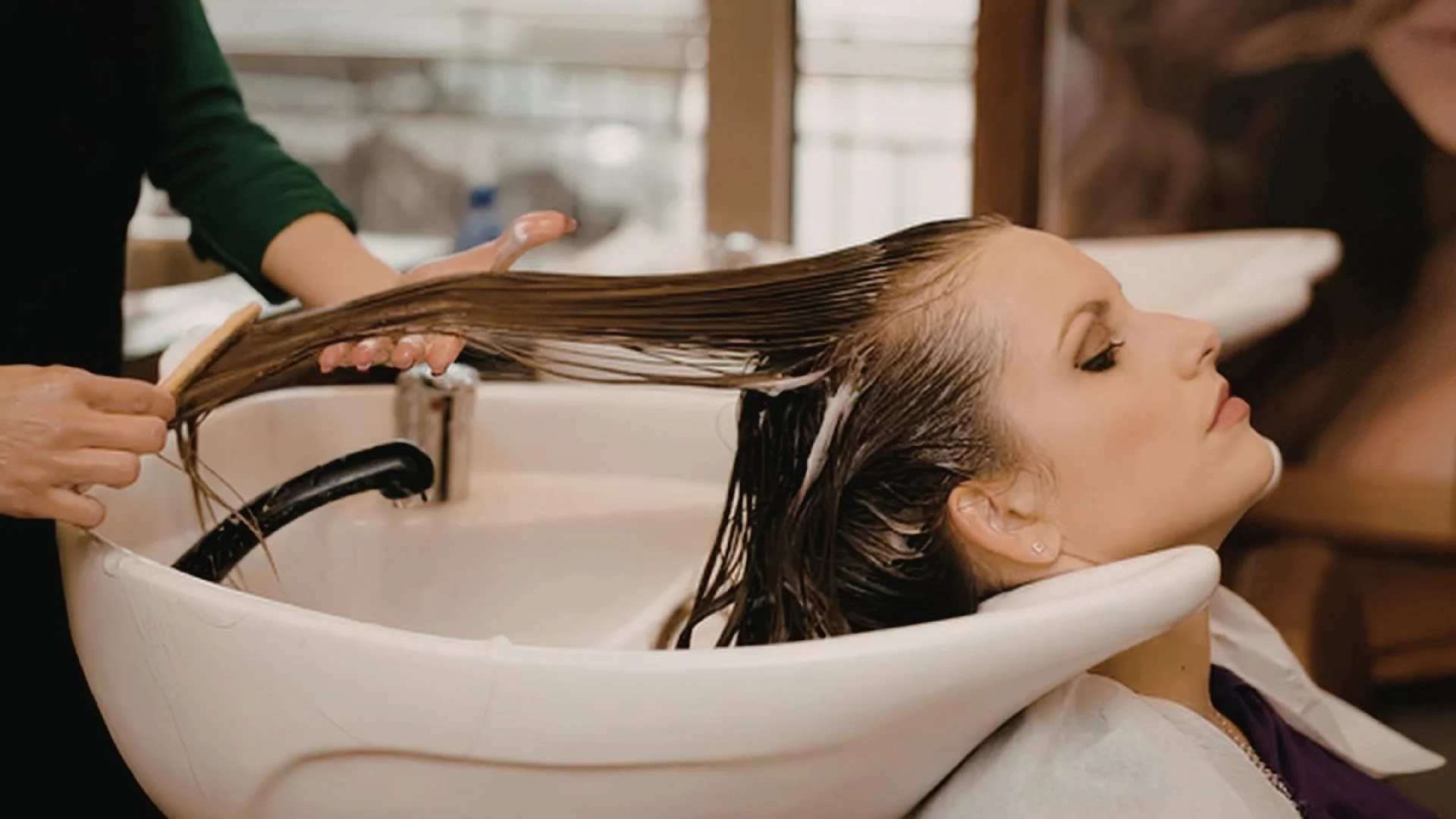
What Extension Clients Need to Do Right Now
Extensions that have been through a full summer need a specific assessment before fall begins, because the combination of UV exposure, swimming, mineral buildup, and irregular maintenance that summer introduces affects extensions differently than it affects natural hair.
Extension hair does not receive natural oils from the scalp the way natural hair does, which means it absorbs environmental damage more directly and recovers less naturally. Extension hair that went through a summer of pool exposure, product accumulation, and limited maintenance appointments is likely significantly drier and more porous than it was at installation, and may be approaching the point where a move-up or full reinstall is the right next step rather than attempting to extend the current set further.
The specific signs that extensions need attention, including slipping attachment points, matting at the root area, significant dryness through the lengths, and visible tangling that does not resolve with brushing, are covered in the extension maintenance guide. If any of those signs are present after summer, scheduling an assessment appointment before the situation deteriorates further is the right move. Our hair extensions page outlines the service options available for clients at any stage of the extension cycle, including move-ups, reinstalls, and consultations.
Rebuilding Your At-Home Routine for Fall
The at-home routine that works in summer does not always translate directly to fall. Denver's transition from the heat and UV intensity of summer to the lower humidity and cooler temperatures of fall changes what the hair needs from a product standpoint, and continuing with summer-specific products into fall can leave the hair either under or over-conditioned for the new conditions.
Swap out any UV-protective sprays that were part of the summer routine. These are not harmful in fall, but they are no longer necessary as the primary protection concern, and removing them from the daily routine simplifies the product load. Continue with sulfate-free shampoo and increase the use of hydrating conditioners as the fall air becomes drier. A weekly deep conditioning mask becomes more important in fall than in summer because the drop in humidity means the hair is losing moisture through the air more quickly.
Heat protection becomes more important again in fall as heat styling tools come back into regular rotation after summer months when the hair was often worn more naturally. A heat protectant applied before any hot tool use is not a seasonal recommendation. It is a year-round requirement, and fall is a good moment to rebuild the habit if it was lost over a summer of more casual styling.
Which Fall Appointments Are Worth Booking First
Not every post-summer repair need requires a separate appointment, and the right sequencing can address multiple issues in fewer visits than a scattered approach. The most productive order for most clients is a trim first, then a color correction or toning service if needed, then a treatment service like a keratin smoothing treatment if frizz and manageability going into fall are a concern.
The keratin smoothing treatment is particularly well timed as a fall appointment because it addresses the porosity and frizz that summer UV exposure introduces while also preparing the hair for Denver's dry fall and winter air. Applying the treatment after the trim and after any necessary color correction means the hair is in the best possible condition to absorb and hold the keratin, which improves both the result and its longevity.
For clients who are unsure where to start, a consultation appointment that covers the full state of the hair and recommends the right sequence of services is more useful than booking individual appointments separately without a cohesive plan. A stylist who can see the hair in person and identify what summer actually did to it is the most reliable guide to which appointment to prioritize and which can wait. If you are ready to have that conversation, book your fall appointment at Ergun Tercan Salon in Denver and we will start from wherever the hair is right now.
Frequently Asked Questions About Resetting Hair After Summer
How do I know if my hair is damaged from summer?
Run a dry, unstyled strand through your fingers from root to tip. If the mid-lengths and ends feel rougher or more porous than the root, UV and heat damage is the likely cause. If the hair feels coated or dull despite regular conditioning, mineral buildup from hard water or pool exposure is probably the culprit. If the color looks significantly brassier or more faded than it did before summer, UV oxidation has affected the color pigment. Any combination of these signs points toward a reset sequence rather than simply resuming the pre-summer routine.
Should I do a clarifying wash after summer?
Yes, once. A single clarifying wash at the start of the fall reset removes mineral deposits, product residue, chlorine, and sunscreen from the hair shaft that regular shampoo cannot fully address. Follow it immediately with a deeply hydrating conditioner or hair mask to replace the moisture that the clarifying process also removes. After that initial clarifying wash, return to a sulfate-free shampoo for regular cleansing rather than using a clarifying formula repeatedly.
How often should I wash my hair in fall after a chaotic summer?
Two to three times a week is the right target for most hair types coming into fall. Summer often disrupts this rhythm through a combination of more frequent washing in the heat and irregular washing during travel. Returning to a consistent two-to-three wash weekly schedule allows the scalp to rebalance its oil production, extends color longevity, and reduces the mechanical stress of daily washing, detangling, and heat styling that compounds summer damage.
What is the first salon appointment I should book after summer?
A trim is the most universally beneficial first appointment because it removes the ends that accumulated the most summer damage. After the trim, a color toning or correction service addresses any fading or brassiness if the color shifted over summer. A keratin smoothing treatment timed after those two services prepares the hair for fall and winter by addressing the porosity and frizz that summer UV exposure creates. A consultation that covers all three in one conversation is the most efficient starting point if you are not sure which is most urgent.
Do extensions need special care after summer?
Yes. Extension hair does not receive natural scalp oils the way natural hair does, which means it absorbs summer damage more directly and recovers less naturally. After a summer of pool exposure, UV, and potentially missed maintenance appointments, extensions should be assessed for slipping attachment points, dryness through the lengths, matting at the root area, and tangling that does not resolve with brushing. Any of these signs indicate that a move-up, reinstall, or at minimum a professional assessment should be scheduled before fall continues.
How do I fix brassy or faded color after summer?
Start with a professional toning or gloss service rather than a full recolor, which may add unnecessary chemical processing to hair that is already summer-stressed. A toner neutralizes the unwanted warmth or brassiness that UV oxidation produces. A gloss restores vibrancy to color that has lost saturation rather than shifted in tone. A colorist who assesses the current state of the color before recommending the right service will produce a more targeted and less damaging result than one who defaults to a full color appointment.
Is a keratin smoothing treatment a good post-summer appointment?
Yes, and fall is one of the best times of year to schedule it. Summer UV exposure increases the porosity of the hair shaft, which creates frizz and makes the hair less responsive to styling. A keratin smoothing treatment addresses that porosity directly by sealing the cuticle and restoring the protein layer that summer degraded. Timing it after a trim and after any necessary color correction means the hair is in the best condition to absorb and hold the treatment, which improves the result and extends how long it lasts going into fall and winter.
Related Reads
If This Got You Thinking, These Are Worth Reading Next