
Copper and Cinnamon Hair: The Warm Color Trend
The Warm Tone Color Trend That Works on Almost Everyone
Copper and cinnamon hair tones are among the most requested color directions right now, and the reasons go beyond trend cycles. Warm tones in the red-orange-brown family photograph well, work across a wider range of skin tones than most people expect, and have a versatility that lets them be applied through multiple techniques depending on how bold or subtle the client wants to go. Copper hair sits in the orange-red family with high vibrancy and visibility. Cinnamon tones are warmer, spicier, and more brown-based, landing closer to a rich auburn or toasted brunette. Both are having a significant moment, and this guide explains why, who they work for, and what the process of getting there actually looks like.
What Copper and Cinnamon Tones Actually Are
Copper Hair
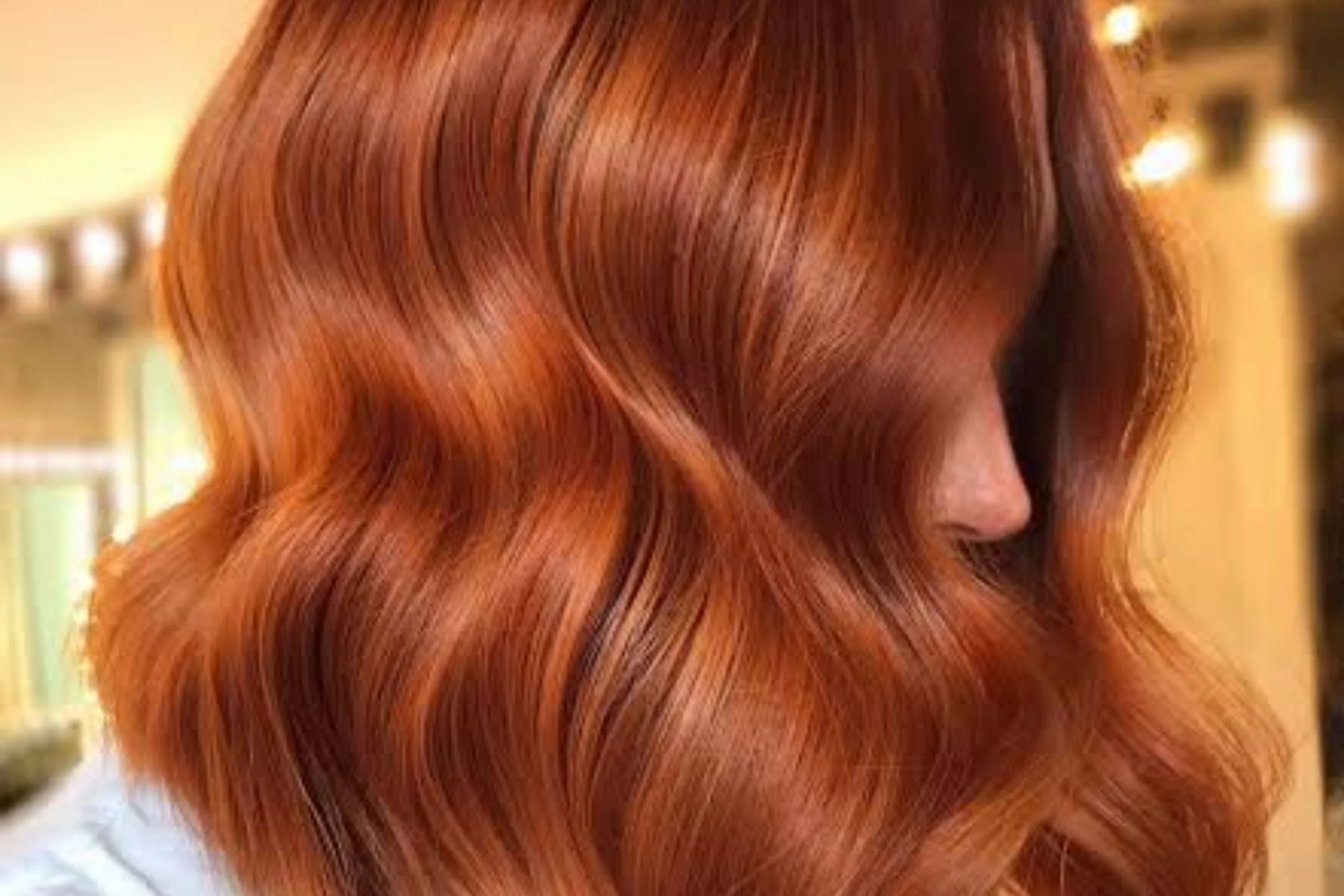
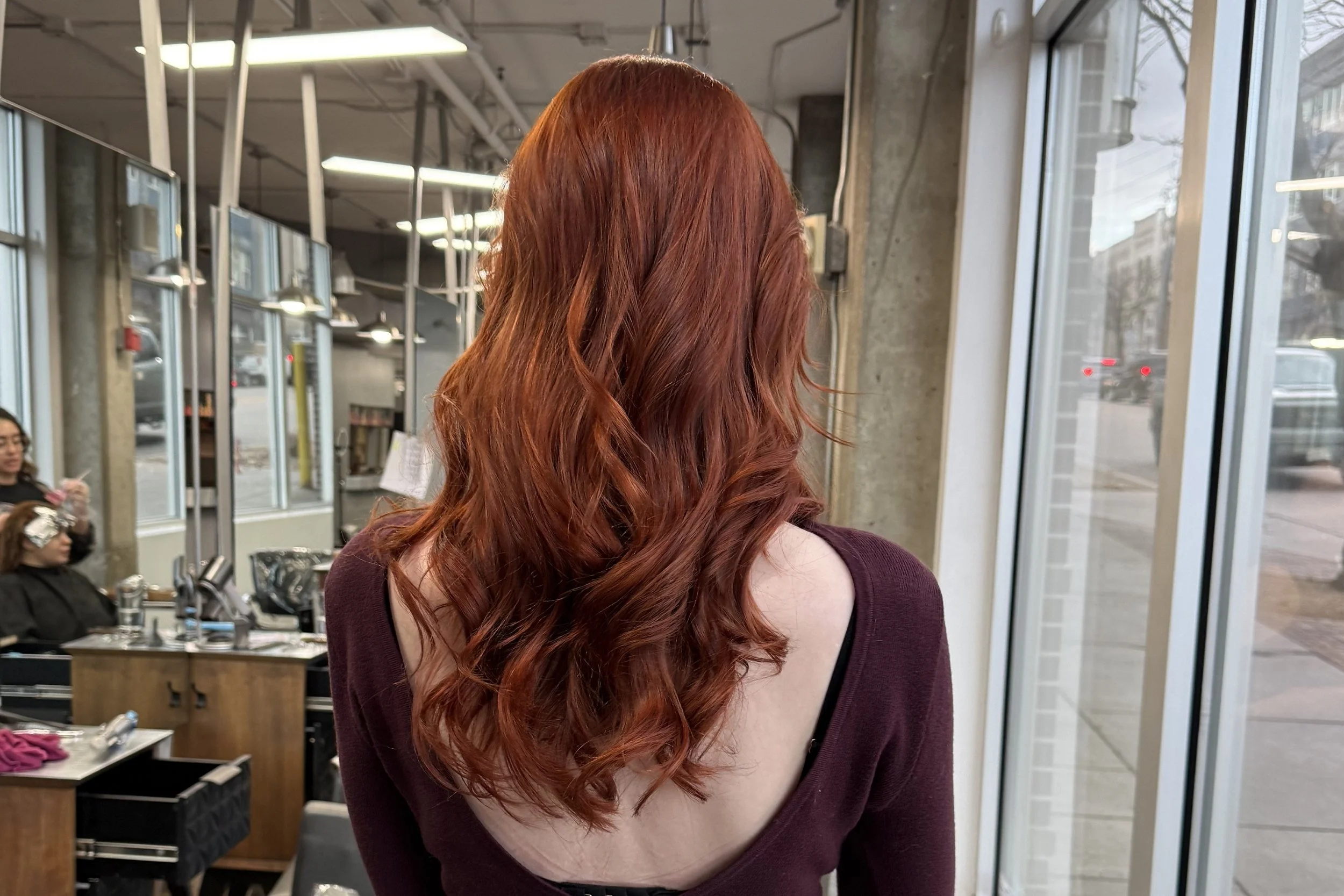
Copper hair sits in the red-orange spectrum with a warmth and vibrancy that catches light in a way that most other hair colors do not. True copper is bright and saturated, reflecting gold and orange tones simultaneously and producing a depth that reads differently indoors versus in natural light. It is bold without being aggressive, which is part of why it has moved from a niche request to one of the most consistently asked-for colors in salons over the past year.
Within the copper category there is significant range. Lighter copper shades lean more golden and apricot. Deeper copper shades move toward rust and auburn. The Colorado-specific variation sometimes called Cowboy Copper is a rustic, earthy version of the tone that sits slightly darker and more grounded than a classic bright copper, which makes it particularly flattering against the warm, sun-exposed skin tones that are common here after a Colorado summer outdoors.
Cinnamon Hair
Cinnamon tones occupy a warmer, more muted place in the same family. Where copper is bright and metallic in its reflective quality, cinnamon reads as richer and spicier, with warm brown and auburn undertones that create depth without the high saturation of a true copper. Think fiery auburn, toasted brunette, or the warm red-brown of a freshly ground spice.
Cinnamon hair tends to be more wearable as an all-over shade than bright copper because its warmth is more integrated into a brown base rather than sitting as a distinct orange or red on top of it. It photographs beautifully, transitions well across seasons, and is one of the more forgiving warm tones to grow out gracefully because the depth of the brown base means the root is not dramatically contrasting.
Where They Overlap
The overlap between copper and cinnamon is significant enough that many color conversations involve both simultaneously. A cinnamon base with copper highlights, or a copper balayage placed over a warm brown base to add depth, are two of the most requested combinations right now. They complement each other naturally because they share the same warm undertone family, and combining them creates dimension that reads as a single cohesive color rather than two separate elements sitting on top of each other.
Why Warm Tones Are Having This Moment
The cool, ashy color palette that dominated for a significant period of time has been shifting. Ash blonde, cool beige, and icy platinum are still requested and still beautiful, but the cultural appetite for warmth in color has been building steadily, and copper and cinnamon sit at the center of it.
Part of the shift is a reaction to how those cooler tones wear in real life. Ash and cool colors require consistent toning maintenance to stay clean because warm underlying pigment in the hair is always trying to surface. When the maintenance slips even slightly, the color reads as brassy or faded rather than deliberately cool. Warm tones do not have this problem. A copper or cinnamon color that fades slightly does not turn into an unwanted shade. It softens and warms in a way that is often still wearable and sometimes even more interesting than the original application.
There is also a skin-tone dimension to why warm tones are resonating broadly right now. A significant portion of the population has warm or olive undertones, and warm hair colors tend to work in harmony with those complexions in a way that cool tones can fight against. As more clients have moved toward colors that complement their natural coloring rather than contrasting with it, the warm tone family has grown in popularity across a much wider demographic than it previously occupied.
Who Copper and Cinnamon Hair Works Best For
Skin Tone Considerations
Warm and olive skin tones are the natural home for copper and cinnamon. The shared undertone family creates an immediate harmony between the hair color and the complexion, enhancing natural glow rather than washing it out. Clients with golden, honey, or peachy skin tones who have been wearing cool or neutral colors often find that moving into the warm family creates a noticeable difference in how radiant their skin looks alongside the hair.
Fair and cool-toned skin is where copper and cinnamon require more careful calibration rather than being categorically avoided. The contrast between a very cool complexion and a highly saturated copper can be striking in a way that works beautifully when the shade is chosen correctly, but requires a colorist who understands how to pick the right version of copper for a cool base. A slightly deeper, more auburn-leaning copper tends to work better on cool complexions than a bright, golden copper, which can create too much contrast and make the skin appear more red or pink than intended.
Medium and deeper skin tones tend to work exceptionally well with both copper and cinnamon. The richness of the color plays beautifully against darker complexions, adding warmth and dimension that a lighter or cooler color might not deliver with the same impact.
Natural Base Color Considerations
Natural brunettes and dark blondes tend to be the most straightforward candidates for copper and cinnamon tones because their underlying warm pigment is already there. The lift required to reach a copper or cinnamon shade is manageable without extreme lightening, which means the hair's integrity is less compromised than it would be for someone going to a very light blonde.
Natural blondes can achieve copper and cinnamon tones effectively, though the technique differs significantly. A light natural base offers a clean canvas for warm pigment deposition, but the result can read very bright and saturated without a brown or auburn base tone to anchor it. Strategic placement, a rooted or shadowed root, and dimension through placement rather than all-over application tend to produce the most wearable result for naturally lighter hair.
Who Needs the Most Careful Conversation
Clients who are currently wearing very cool or ashy color may need a transition period before landing cleanly in a copper or cinnamon shade. Going directly from a platinum or ash blonde to copper in one appointment can produce an uneven result because the hair is not lifting uniformly, the underlying pigment has been suppressed for a long time, and the tonal shift is dramatic enough to require staging. A colorist who is honest about this will plan the transition across two or three appointments rather than attempting it all at once and delivering a result that is not what the client was picturing.
The Techniques Used to Achieve Copper and Cinnamon Color
All-Over Single Process
An all-over copper or cinnamon application deposits the chosen warm tone throughout the hair from root to tip. This produces the most saturated, uniform version of the color and is the approach that delivers the most dramatic transformation for clients coming from a very different base. The limitation is that a single-process all-over warm tone can look flat and two-dimensional without some depth or variation built in, particularly on longer hair where the lack of dimension is most visible.
Balayage in Warm Tones
Balayage is one of the most effective techniques for copper and cinnamon because the hand-painted application creates the natural variation that makes warm tones look dimensional rather than flat. A copper balayage placed over a warm brown or dark blonde base creates a result that reads as rich and multidimensional rather than as a single color applied uniformly. The grow-out is significantly more graceful than an all-over application because the root is part of the design rather than a departure from it.
Highlights and Lowlights
Color and highlights in the copper and cinnamon family create the most dramatic dimension by placing both lighter copper highlights and deeper auburn or cinnamon lowlights through the hair simultaneously. The contrast between the two tones creates movement that photographs beautifully and looks different in natural versus artificial light. This is the technique that produces the most complexity within the warm tone palette and is particularly effective for clients who want a result that looks genuinely dimensional rather than dyed.
Toning and Glossing
For clients who want to explore the copper or cinnamon family without a full commitment, a warm-toned gloss or toner applied over existing hair is a lower-commitment entry point. A copper gloss deposits a transparent layer of warm pigment that shifts the overall tone of the hair in the desired direction without the permanence of a full color application. It fades gradually over four to six weeks, which gives clients a chance to see how the warm family sits against their complexion and styling habits before committing to a more permanent approach.
How Copper and Cinnamon Hair Behaves Over Time
The Fade Factor
Red and warm-toned pigments are the smallest molecules in the color family, which means they are the first to exit the hair shaft after color is applied. Copper specifically is known for fading faster than cool brunette or blonde tones because of this molecular size difference. This is not a flaw in the color. It is the nature of the pigment, and it can be managed effectively with the right aftercare routine.
The fade on copper hair moves through orange and gold tones rather than going gray or muddy, which means it tends to remain warm and wearable through the fade cycle rather than becoming an unwanted shade. Cinnamon tones fade more softly because the brown base absorbs more slowly, which makes the grow-out on a cinnamon shade significantly more graceful than on a bright copper all-over application.
What Happens at the Grow-Out
The grow-out experience differs significantly depending on how the color was applied. An all-over copper application with no root shadow or shadowing will show the natural root clearly as it grows in, with the contrast depending on how different the natural base is from the copper shade. A balayage or highlighted application with a deliberate shadowed root built in grows out significantly more naturally because the depth at the root was part of the original design.
Planning the grow-out at the consultation stage, rather than discovering it six weeks after the appointment, is one of the most useful things a colorist can do for a client pursuing a warm tone. It affects how the color is placed, whether a root shadow is included, and how frequently the client needs to return to keep the result looking intentional.
How to Maintain Copper and Cinnamon Color Between Appointments
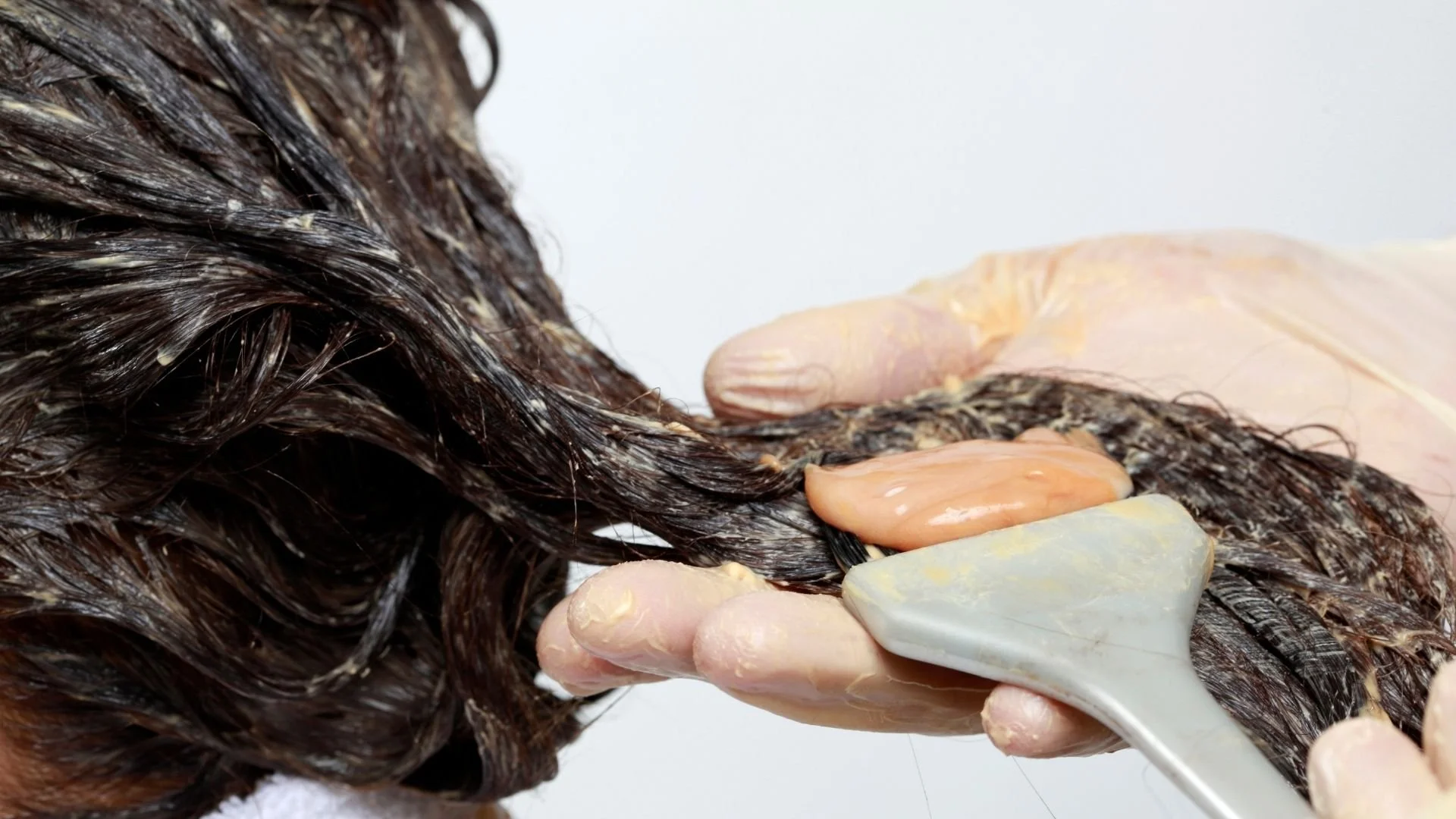
Because red and warm-toned pigments fade faster than cooler tones, the at-home routine matters more for copper and cinnamon hair than for ash or neutral shades. Sulfate-free shampoo is the most important product switch anyone with warm color can make. Sulfates strip color molecules aggressively, and for a color family that already exits the hair faster than others, using a standard sulfate-containing shampoo shortens the lifespan of the result meaningfully.
Washing frequency is the other significant variable. Warm pigment exits the hair with every shampoo cycle. Clients who wash daily will see their copper or cinnamon fade noticeably within two to three weeks of the appointment. Clients who wash two to three times a week will hold the color significantly longer. This is not a hygiene compromise. It is a maintenance decision that directly affects the return on the color investment.
A color-depositing conditioner or hair mask in a warm red or copper tone can extend the vibrancy between appointments by replenishing some of the pigment that washes out over time. Used once a week in place of a regular conditioner, these products can meaningfully extend the saturation of the color without requiring an additional salon visit.
UV protection is also particularly relevant for copper and cinnamon hair in Denver specifically. The altitude increases UV exposure, and prolonged sun exposure oxidizes warm pigment, shifting copper tones toward a washed-out orange and cinnamon tones toward a faded bronze. A UV-protective leave-in spray applied before outdoor time is a small habit that makes a noticeable difference in how the color holds through the season.
How Denver's Climate Affects Warm Hair Color
Denver's combination of high altitude, intense UV exposure, and dry air creates specific conditions for warm-toned hair that are worth knowing before booking a copper or cinnamon service.
The UV intensity at altitude is the most significant factor. Copper and cinnamon pigments oxidize under UV light, which gradually shifts the color toward a less saturated, more washed-out version of the original shade. Clients who spend significant time outdoors in Denver, hiking, skiing, or simply living outside in a way that the Colorado lifestyle tends to encourage, will see their warm color fade faster than clients in less sun-intensive environments.
The dry air compounds this by increasing the porosity of the hair shaft over time, which means color molecules exit the hair more readily in low-humidity conditions than in humid ones. This is why a color result that held beautifully for eight weeks in a client's previous city may fade noticeably in five or six weeks in Denver. The color is not lower quality. The environment is simply more demanding.
Managing this effectively involves the maintenance habits described above, and it is also worth discussing at the consultation so the colorist can factor Denver's climate into how they approach the application. Slightly more pigment saturation applied at the appointment, or a glossing step at the end of the service to seal the cuticle, can add meaningful longevity to the result in Denver's conditions specifically.
What to Ask at Your Copper or Cinnamon Color Consultation
Before the consultation, spend some time with photos of the specific version of copper or cinnamon that appeals to you. There is significant range within both categories, and showing your colorist the specific warmth, depth, and saturation level you are drawn to is far more useful than simply saying you want copper hair. Bring two or three photos that show what you like and, if you can find them, one or two that show versions you do not want. That negative reference is often the most useful information a colorist receives.
Tell your colorist your full color history. What you are currently wearing, how long it has been since your last color service, whether you have had any chemical treatments, and what your natural base looks like when it grows in. This information directly affects what is achievable in one appointment versus what requires a staged approach across multiple visits.
Ask your colorist which version of copper or cinnamon works for your specific skin tone and natural base, because the answer should be specific rather than generic. A colorist who looks at your coloring and immediately describes which shade family and which technique they would use to get you there is showing you that they understand the relationship between the color and the person, rather than simply knowing how to apply what you asked for.
Ask about the maintenance schedule and the grow-out plan before the appointment happens rather than discovering them six weeks later. Understanding how frequently you will need to return, what the color looks like as it fades, and whether a root shadow makes sense for your specific application are all decisions that are easier to make before the appointment than after it.
Warm Color Done Well Looks Like Yours, Not Like a Trend
This is the distinction worth holding onto when thinking about copper and cinnamon hair. The versions of this trend that look the best are the ones calibrated specifically to the person wearing them rather than replicated from a reference photo regardless of fit.
The right copper or cinnamon shade, applied with the right technique for your base color and skin tone, does not look like you followed a trend. It looks like your hair, at its most alive and most flattering. That is the goal of any good color consultation, and it is the standard worth holding any colorist to when you sit down to discuss it. If you are ready to have that conversation, book a color consultation at Ergun Tercan Salon in Denver and we will find the specific version of warm that belongs to you.
Frequently Asked Questions About Copper and Cinnamon Hair Color
What is the difference between copper hair and cinnamon hair?
Copper hair sits in the orange-red spectrum with high saturation and a metallic, light-catching quality. It is bold, vibrant, and reads clearly as a warm red-orange. Cinnamon hair is warmer and more muted, landing closer to a rich auburn or toasted brunette with red-brown undertones. It is deeper, spicier, and more integrated into a brown base than a true copper. Both belong to the same warm tone family and complement each other when combined, but they differ significantly in saturation, vibrancy, and how they read against different skin tones.
Does copper hair work on cool skin tones?
Yes, but the specific shade of copper matters significantly. A very bright, golden copper can create too much contrast against a cool complexion and make the skin appear more red or pink. A slightly deeper, more auburn-leaning copper or a cinnamon tone with more brown in the base tends to work better on cool complexions. A colorist who sees your skin tone and natural base in person is the most reliable guide for which version of warm works specifically for you.
How long does copper hair color last?
Copper and warm red tones fade faster than most other color categories because the red pigment molecule is small and exits the hair shaft more quickly than cooler or darker pigments. Under optimal conditions, using a sulfate-free shampoo and washing two to three times a week, copper color typically holds well for four to six weeks before a noticeable shift. In Denver's UV-intensive, dry climate, the fade can happen slightly faster without UV protection and careful maintenance. A color-depositing conditioner used weekly helps extend the vibrancy between appointments.
Can I get copper or cinnamon hair if I have dark hair?
Yes. Natural brunettes are often strong candidates for copper and cinnamon tones because their underlying warm pigment supports the direction of the color. The specific technique depends on the depth of the natural base. Very dark hair may require a lifting step before warm tones can be deposited visibly, while medium brunettes can often achieve a rich cinnamon or auburn copper through a direct color application. The approach differs by individual, which is why a consultation is the right starting point.
What is the best technique for getting copper hair?
It depends on the result you want and your natural starting point. A balayage in warm copper tones creates dimension and a more natural, graduated result with a grow-out that is graceful rather than obvious. An all-over single process delivers the most saturated, dramatic transformation. Highlights and lowlights in the copper and cinnamon family create the most complex, multidimensional result. A gloss or toner is the lowest-commitment way to explore the warm tone direction before deciding on a more permanent approach.
How do I keep copper hair from fading too fast?
Switch to a sulfate-free shampoo, reduce wash frequency to two or three times a week, apply a UV-protective product before spending extended time outdoors, and use a color-depositing conditioner or mask in a warm red tone once a week. In Denver specifically, UV protection is particularly important given the altitude and sun exposure intensity. These habits collectively can extend the vibrancy of a copper or cinnamon color by several weeks compared to no aftercare at all.
Is copper or cinnamon hair high maintenance?
More than cool or neutral tones, but manageable with the right routine. The color fades faster than ash or brunette shades, which means more frequent salon visits if you want to maintain the full saturation, or a deliberate acceptance of the fade as part of the color story. A balayage or shadowed-root application reduces the maintenance burden significantly compared to an all-over single process, because the grow-out is built into the design. Most clients find the maintenance genuinely worth it once they see how the warm tones photograph and how the color complements their complexion.
Related Reads
If This Got You Thinking, These Are Worth Reading Next