
Butterfly Haircut: Who It Suits & What to Ask
The Cut Behind Every 90s Blowout You Have Saved
If you have been saving photos of big, bouncy blowouts with soft layers sweeping away from the face, there is a good chance the cut underneath is a butterfly haircut. It has become one of the most requested layered cuts because it solves a problem many people have: they want the volume and movement of shorter hair, but they do not want to give up their length. The butterfly cut does both. Short layers around the face and crown create lift and shape, while the long layers underneath keep the overall length. This guide explains exactly what a butterfly cut is, who it suits best, what to ask for at your appointment, and how to style it at home so it looks like your salon blowout on more than just the first day.
What a Butterfly Haircut Actually Is
A butterfly haircut combines two lengths in one cut. The top and front sections are cut into shorter layers, often starting somewhere around the chin, cheekbones, or collarbone. The rest of the hair underneath stays long. When the hair is styled, the shorter layers flip and fan out away from the face, which is where the "butterfly" name comes from: the layers spread out like wings.
The result reads as two haircuts at once. From the front, the face-framing layers give the look of a shorter, voluminous cut. From the back and sides, you still see long hair. This is the shape behind the classic 90s blowout, and it is why the two are so often mentioned together.
How It Differs From a Regular Layered Cut
A standard layered cut usually blends the layers gradually from top to bottom, so the change in length is soft and even. A butterfly cut makes a more distinct difference between the short top layers and the long length underneath. That contrast is what creates the extra lift at the crown and the fanned-out shape around the face.
How It Differs From a Shag or a Wolf Cut
Shags and wolf cuts also use short layers on top, but they are built for texture and a more undone, piecey finish, and they often remove more weight from the length. A butterfly cut is softer and more polished. It is designed to be blown out smooth and round, and it keeps more fullness in the long layers at the bottom.
Who the Butterfly Haircut Suits
The butterfly cut works on a wide range of hair, but some hair types and lengths take to it more easily than others.
By Length
Long hair is where the butterfly cut looks most dramatic. There is enough length to keep the long layers full while the shorter layers frame the face, so the contrast between the two is clear.
Mid-length hair that falls around the shoulders or just past them can also wear a butterfly cut. The layers are scaled down so the shortest pieces still sit at a flattering point around the face and the bottom does not end up thin.
Short hair is usually not the right fit. Without enough length underneath, the cut turns into a regular short layered style rather than a true butterfly.
By Hair Type
Thick hair is one of the best matches. The layers remove some bulk, add movement, and make heavy hair feel lighter without losing its length.
Medium-density hair suits the cut well and usually styles easily into the full, rounded shape.
Fine hair can wear a butterfly cut, but it needs a careful approach. Too many short layers can leave the length looking thin. A stylist will usually keep the layers softer and fewer so the ends still look full. Clients with fine hair who want more fullness underneath sometimes pair the cut with volume hair extensions.
Wavy hair often looks beautiful with a butterfly cut, because the layers bring out the natural movement. It can be worn blown out or air-dried.
Curly and coily hair can wear a version of the cut, but it should be shaped with your curl pattern in mind, often cut dry, so the layers sit where you want them when the curls spring up. The guide to getting a haircut that works with your actual hair texture explains why this matters.
By Lifestyle
The butterfly cut looks its best when it is styled. If you enjoy a round-brush blowout or are happy to use rollers, it will reward you. If you prefer to wash and go with no styling at all, talk to your stylist about a softer version that still looks good air-dried.
How to Ask for a Butterfly Haircut
"Butterfly cut" can mean slightly different things to different people, so the name alone is not enough. A few clear details help your stylist give you exactly the version you have in mind.
What to Say
Tell them where you want the shortest layer to start. Point to the spot on your face: the cheekbones, the chin, the jaw, or the collarbone. The shorter that first layer, the more dramatic the butterfly effect.
Say how much length you want to keep. Be specific about whether you want to keep all of your length, take off just the ends, or go a little shorter overall.
Describe the finish you want. A big, round 90s blowout, soft and polished waves, or a lived-in, air-dried look each call for slightly different layering.
Be honest about how you style your hair. If you blow-dry every day, your stylist can cut for maximum volume. If you rarely use heat, they can build in softer layers that still fall well on their own.
What Photos to Bring
Bring two or three photos of butterfly cuts you love, ideally on hair similar in thickness and texture to yours. Photos taken from the front and the side are the most useful, because they show both the face-framing layers and the length. If you can, bring one photo of a look you do not want, too. It is often just as helpful.
Keep in mind that most butterfly cut photos online show the hair freshly blown out. Ask your stylist what your version will look like on a day when you do not style it, so you know what to expect between blowouts.
How to Style a Butterfly Haircut at Home
The butterfly cut is designed to be styled, and the good news is that the shape does a lot of the work. Two tools get you closest to the salon result.
With a Round Brush
Start with damp hair and apply a heat protectant and a light volumizing product at the roots.
Rough-dry until the hair is about 80 percent dry.
Section the hair. Start with the long layers underneath and smooth them with a medium or large round brush.
For the face-framing layers, lift each section up and away from the face, and roll the brush back so the ends flip outward. This is what creates the butterfly shape.
At the crown, lift the hair straight up at the root while drying to build height.
Finish each section with a shot of cool air to set the shape, then loosen with your fingers.
With Rollers
Velcro or heated rollers are the easiest way to get the full 90s look, and they help the style last longer.
Blow-dry your hair smooth with a brush or a quick rough-dry.
Place large rollers at the crown, rolling back from the face.
Place rollers in the face-framing layers, rolling up and away from the face.
Let the rollers cool completely before taking them out. Cooling is what sets the volume.
Remove the rollers, flip your head, and shake the hair out gently. Finish with a light hold spray.
Making the Style Last
Sleep with your hair in a loose, high bun or under a silk scarf to protect the volume. On day two, a little dry shampoo at the roots and a few minutes in rollers will bring the shape back. The guide to why your blowout doesn't last covers more ways to stretch a blowout. If you would rather leave it to a professional, the Blow Dry Bar can create the full round-brush finish for you.
Butterfly Cuts From Our Salon
Here are a few layered blowout results from our Denver salon that show the butterfly shape in different lengths and textures.
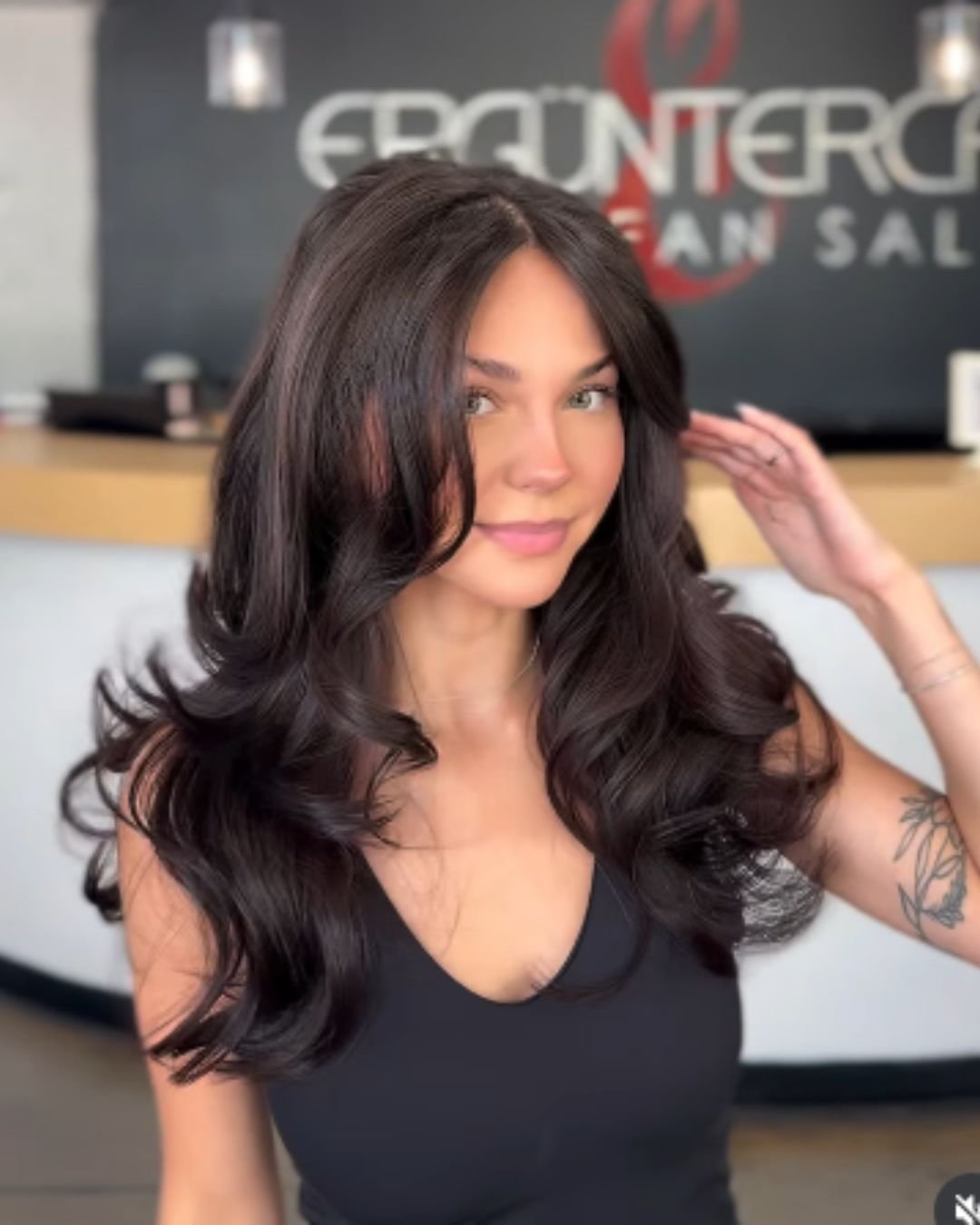
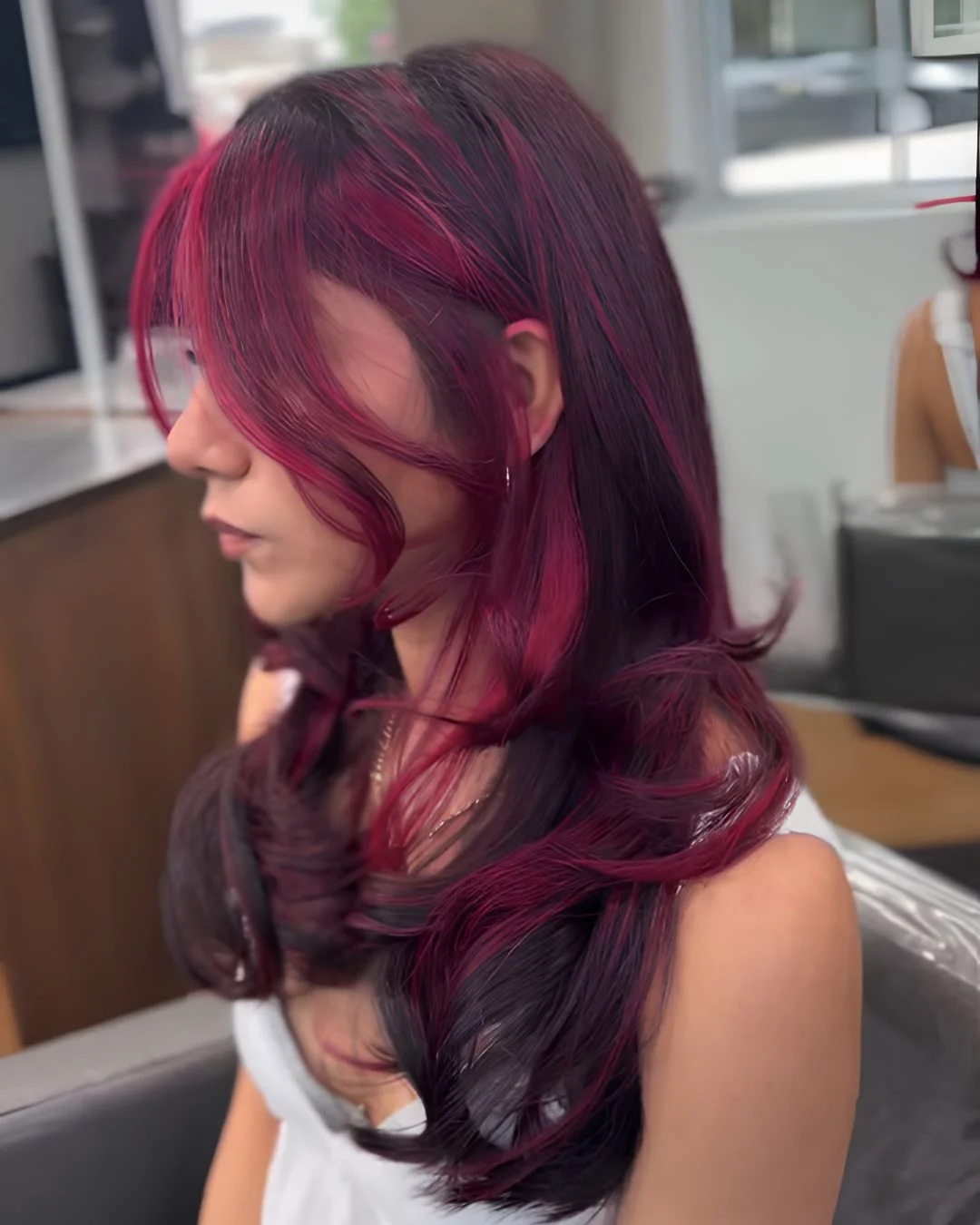
How Denver's Climate Affects a Butterfly Cut
Denver's dry air is good news for volume, because there is less humidity pulling the blowout flat. It also means hair loses moisture quickly, and dry ends make layers look frayed rather than soft. A lightweight leave-in conditioner and regular trims keep the layers looking polished.
Static is the other common issue in Denver winters, and it can make the face-framing layers fly away instead of holding their shape. A small amount of smoothing serum on the ends, applied after styling, helps the layers stay in place.
Keep Your Butterfly Cut in Shape
The butterfly cut relies on the short layers sitting at exactly the right spot, so it grows out of shape faster than a one-length cut. Most people book a trim every eight to ten weeks to keep the face-framing layers where they should be.
Ready for Your Butterfly Cut?
The butterfly haircut gives you the volume and face-framing shape of a shorter cut without losing your length. With the right layering for your hair type and a little styling at home, it is one of the easiest ways to get the 90s blowout look every day.
If you are ready to try it, book a haircut at Ergun Tercan Salon in Denver. Bring your photos, and our stylists will tailor the layers to your hair, your length, and the way you like to style it. You can learn more about our haircut services before your visit.
Frequently Asked Questions About the Butterfly Haircut
What is a butterfly haircut?
A butterfly haircut combines short layers around the face and crown with long layers underneath. When styled, the shorter layers fan out away from the face like wings, creating volume and a face-framing shape while keeping most of the hair's length. It is the cut behind the classic 90s blowout look.
Is a butterfly haircut good for fine hair?
It can be, with a softer approach. Too many short layers can make fine hair look thin at the ends, so a stylist will usually use fewer, softer layers to keep the length looking full. Some clients with fine hair add volume extensions underneath for extra fullness.
What is the difference between a butterfly cut and a layered cut?
A standard layered cut blends the layers gradually from top to bottom. A butterfly cut creates a more noticeable difference between the short top layers and the long length underneath, which gives more lift at the crown and a fanned-out shape around the face.
Is a butterfly haircut high maintenance?
It looks its best when it is styled, usually with a round brush or rollers. It can be worn air-dried, especially on wavy hair, but it will look softer and less voluminous. Most people book a trim every eight to ten weeks to keep the face-framing layers in place.
Can I get a butterfly haircut with curtain bangs?
Yes. Curtain bangs blend naturally into the shortest face-framing layers and are a popular pairing with the butterfly cut. Mention it at your consultation so your stylist can plan the bangs and layers together.
Can I get a butterfly cut on short hair?
Usually not. The butterfly shape depends on the contrast between short top layers and long length underneath. On short hair, there is not enough length for that contrast, so the result becomes a regular short layered cut.
How do I style a butterfly haircut without heat?
On wavy hair, apply a light mousse or cream and let it air-dry, scrunching gently. For more volume, set the face-framing layers and crown in large Velcro rollers while the hair is almost dry and leave them in until it is fully dry.
Related Reads
If This Got You Thinking, These Are Worth Reading Next