
How to Get the Right Haircut for Your Hair Type: Curly, Wavy, and Straight Explained
Curly, Wavy, or Straight: How to Get a Haircut That Actually Works With Your Texture
The right haircut for your hair type starts with understanding what your texture actually does when it dries on its own, not how it looks after styling. Curly hair should usually be cut dry so shrinkage is accounted for. Wavy hair is the most commonly misread texture and needs layering that works with its movement rather than flattening it. Straight hair is the most unforgiving because every imprecision is visible. In all three cases, the cut needs to match the texture before anything else is decided.
Why Texture Should Drive Every Haircut Decision
Most haircut consultations start with length and reference photos. Texture comes in later, if at all. This is the wrong order.
Texture determines how the hair falls, where weight collects, how much the hair moves, and how a cut grows out. A layered cut that looks effortless on fine straight hair can become a triangle shape on thick wavy hair. A blunt bob that sits cleanly on smooth hair can expand and puff on a coarser or curlier texture. The shape of a cut is inseparable from the texture it is being placed into.
When a haircut consistently does not work, the reason is almost always a mismatch between the cut and the texture. That is a fixable problem, but only if texture is part of the conversation from the beginning.
How to Know What Your Actual Texture Is
True texture is what your hair does when it dries completely without product, heat, or manipulation. Not after a blowout, not after a diffuser, and not on day two or three. What it does the very first time it dries on its own after washing.
Many people have been styling their hair the same way for so long that they have lost track of what it actually does naturally. People who blow out daily are often surprised to find their natural texture is genuinely wavy. People who have been using heavy curl products for years sometimes discover their pattern is looser than the product was suggesting. Knowing your real texture before you sit in the chair is the most useful thing you can bring to a haircut appointment.
The most common misread is assuming wavy hair is just straight hair that does not behave. Wavy hair has its own characteristics, its own tendencies, and its own needs that are distinct from both straight and curly. Treating it like uncooperative straight hair leads to cuts that flatten rather than move, and styling routines that fight the texture rather than work with it.
Best Haircuts for Curly Hair
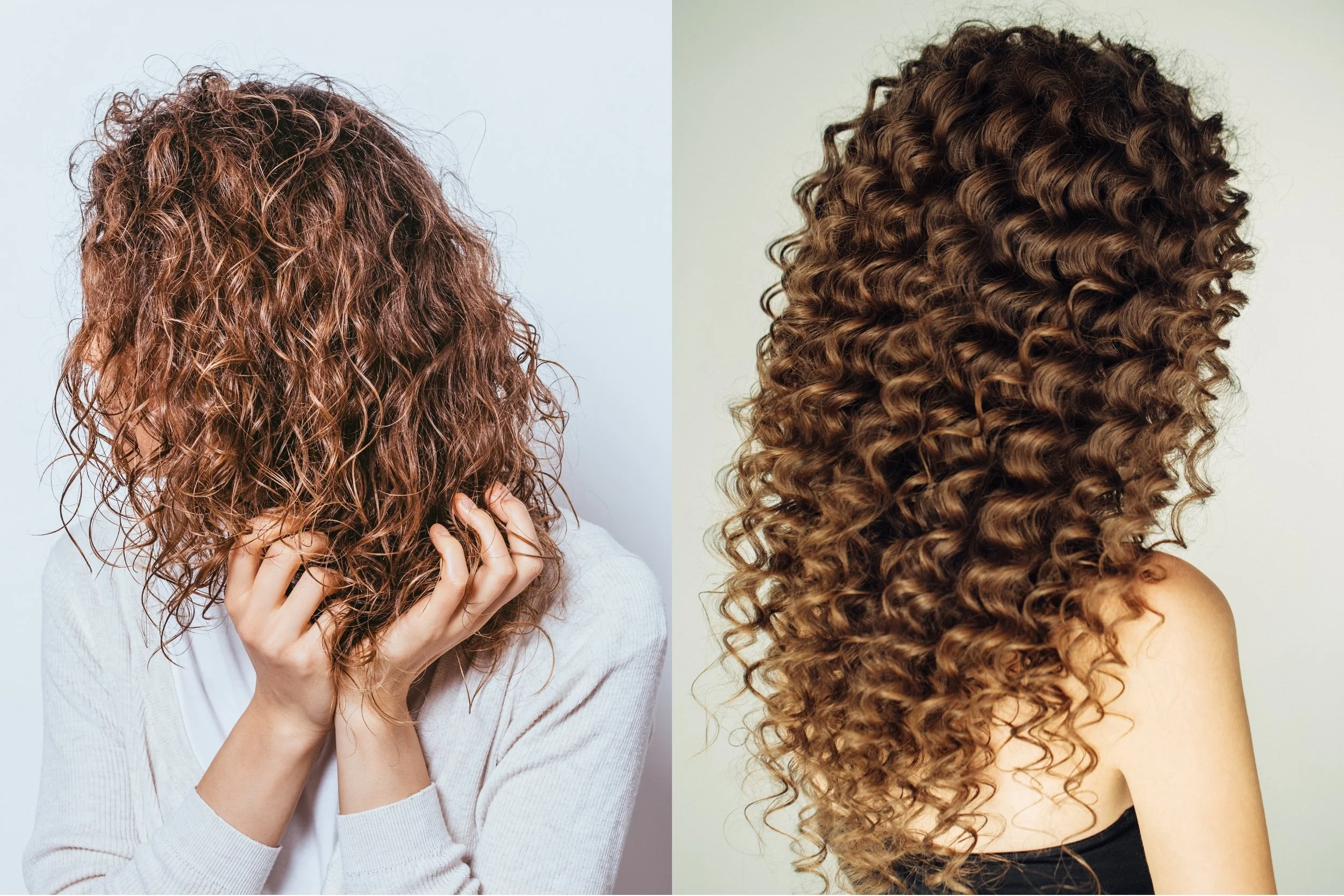
Curly hair shrinks as it dries. Depending on the curl tightness, that shrinkage can be anywhere from one inch to several inches of visible length. A stylist cutting curly hair wet is making decisions about a length that will not exist once the hair dries, which is one of the most common explanations for curly haircuts ending up significantly shorter than expected.
Cutting curly hair dry lets the stylist see where each curl actually lands, where the weight sits, and how individual curls interact with each other. It is more time-intensive but significantly more accurate for the texture. If a stylist reaches immediately for the spray bottle during a curly hair appointment without explaining why, it is worth asking whether they are comfortable with dry cutting technique.
How Layers Work on Curls
Layering in curly hair is about removing weight, not adding visual interest for its own sake. Heavy, un-layered curly hair tends to form a triangle that is wide at the bottom and flat at the crown. Removing weight through strategic layering allows the curls to spring and move rather than pile up.
The placement of layers in curly hair is not the same as in straight hair. Layers that fall in the wrong position relative to the curl pattern create pieces that stick out or lose definition instead of blending in. An experienced curly hair stylist layers with the natural fall line of the curl in mind rather than following a standard pattern designed for straighter textures.
What to Avoid With Curly Hair
Blunt cuts with no layering on curly hair almost always cause the hair to expand outward. Without some weight removal, the curl piles up and creates bulk rather than shape. The tighter the curl pattern, the more pronounced this effect.
Razoring and heavy texturizing shears are also worth avoiding in most curl patterns. These tools cut across the hair shaft rather than through it cleanly, creating rough edges that frizz rather than curl. Standard thinning shears can similarly disrupt curl patterns that need a certain amount of weight to hold their form.
Best Haircuts for Wavy Hair
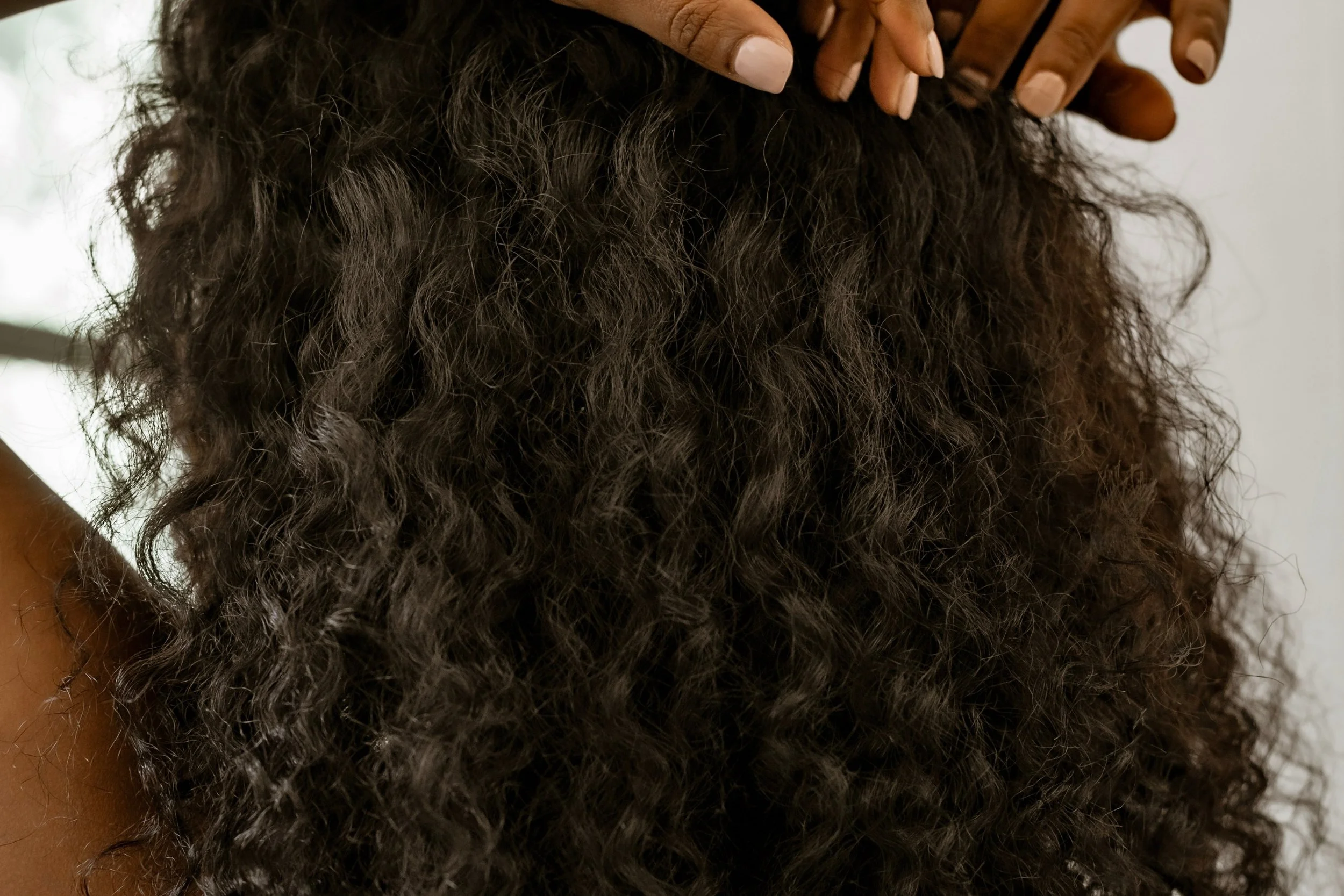
Wavy hair sits between two textures and most haircut systems are not built to serve it well. It is not straight enough to behave predictably with straight-hair technique, and it is not curly enough to benefit from methods designed for tighter patterns. The result is that wavy hair clients often leave with cuts that look fine blown out and unpredictable in their natural state.
Part of this is a consultation problem. Many clients with wavy hair arrive with it blown out or straightened, so the stylist never sees what the hair actually does. Arriving with your hair in its natural state, or at least being able to describe accurately what it does when it dries, gives a stylist the information needed to make decisions that will hold up past the blowout.
Cuts That Work for Wavy Hair
Wavy hair responds well to cuts that remove weight at the ends and create movement through the mid-lengths. Too much weight at the perimeter causes wavy hair to flatten and lose its wave pattern, particularly in longer lengths. A blunt cut with no layering on medium to thick wavy hair tends to produce exactly this result.
Longer layers starting below the chin allow the wave to move without being weighed down. A shag-style cut with graduated layering works with the natural movement of wavy hair rather than against it. Curtain bangs, which follow the direction the hair already wants to move, tend to behave well in wavy textures. The best summer haircuts guide covers several of these cuts in more specific detail.
What to Avoid With Wavy Hair
A very blunt, one-length cut on medium to thick wavy hair almost always results in the triangle shape that wavy-haired clients spend years trying to avoid. Without layering to redirect the weight, the hair spreads at the bottom and flattens at the crown.
Relying heavily on product to manage this is a temporary fix that addresses the symptom rather than the cut itself. A well-executed cut for wavy hair should be able to air dry into a wearable shape without significant product work.
Best Haircuts for Straight Hair
Straight hair shows everything. Every line is visible, every length inconsistency reads clearly, and every blunt edge is exactly as it was cut. What looks like a slightly imprecise finish in wavy hair looks rough in straight hair because the texture is not absorbing any of the variation. This makes precision more important in straight hair than in any other texture.
It is also a genuine advantage when the cut is right. A clean blunt bob on smooth straight hair, a precision one-length cut, or a graduated shape that frames the face are all styles that depend on the hair being straight enough to display them accurately. The texture works in your favor when the scissor work is precise.
Cuts That Work for Straight Hair
Straight hair handles blunt cuts better than any other texture because the clean edge sits without frizzing or expanding. A blunt or slightly graduated bob, a precision cut with minimal interior layering for finer textures, or a one-length cut with subtle face-framing pieces all perform consistently in straight hair.
Fine straight hair specifically benefits from cuts that preserve density at the perimeter. Removing too much weight through heavy interior layering makes fine straight hair look thin rather than light, particularly as the cut grows out. The goal is usually to keep enough weight at the ends that the hair has visible body and movement.
What to Avoid With Straight Hair
Heavy layering through the interior of fine straight hair removes density without adding movement, which typically makes the hair look thinner. This is a common overcorrection when clients ask for volume and end up with less of it than they started with.
Highly choppy or textured ends on straight hair can also read as unfinished rather than intentional. What works as effortless texture in a wavy pattern reads differently against a completely smooth surface. If textured ends are the goal, discussing specifically how the stylist plans to create them before the cut starts is worth the extra thirty seconds.
How Face Shape Fits Into a Texture-Based Cut
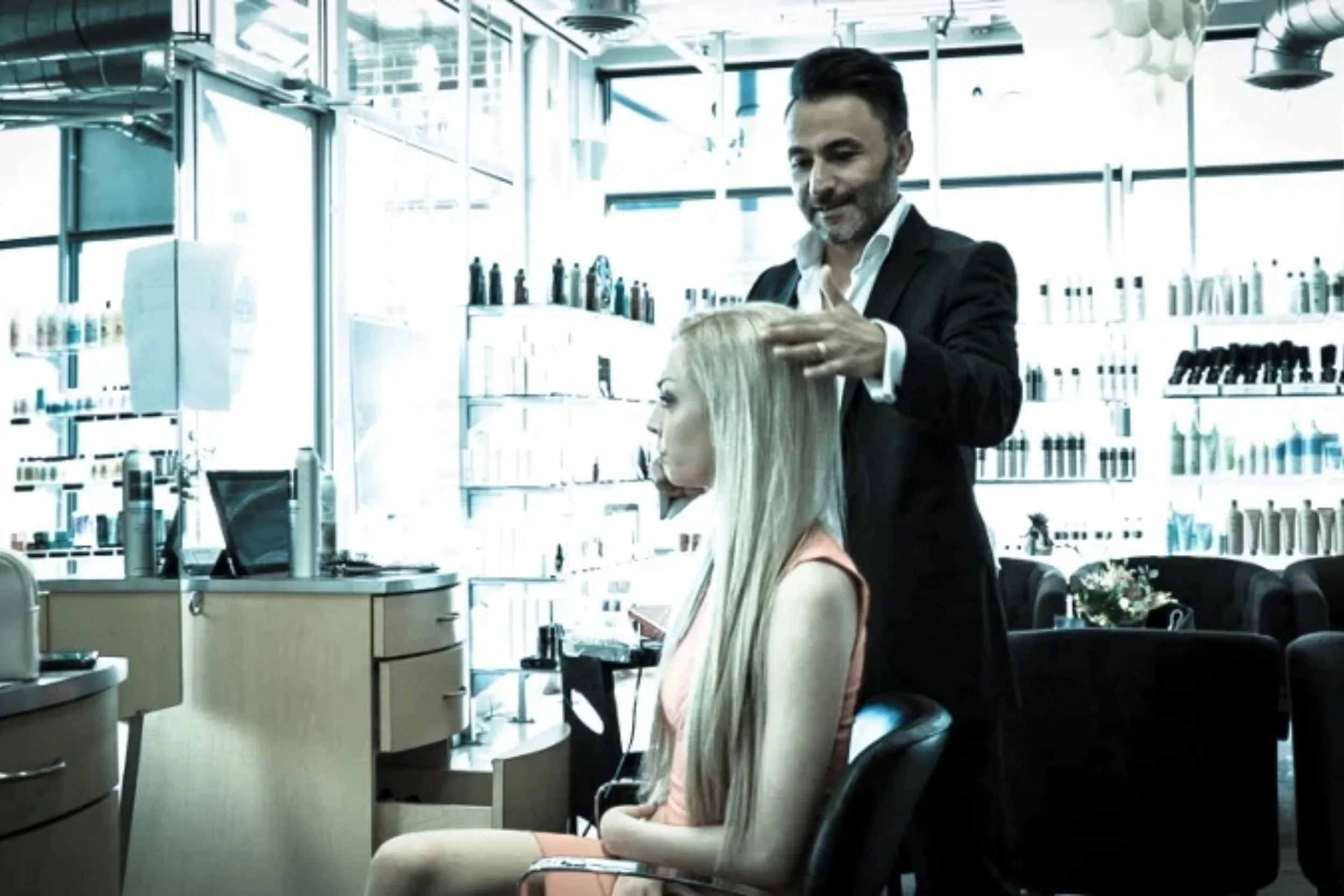
Face shape and texture are separate conversations that are often collapsed into one, which leads to recommendations that do not fully account for either.
Face shape tells a stylist where width, length, and framing should sit to create balance. Texture tells them how the cut will actually behave once it lands in that position. A round face with thick wavy hair needs a different solution than a round face with fine straight hair, even though the face shape goal is identical. The wavy texture adds its own visual width that the straight-hair face shape formula does not account for.
Both factors need to be in the conversation, but they should be addressed separately before being combined into a final recommendation. A cut built only around face shape without accounting for texture is half a plan.
What to Tell Your Stylist Before the Cut Starts
The most useful thing to share at a haircut consultation is not a photo. It is an honest description of what your hair does when you leave it completely alone after washing.
Tell your stylist where the hair gets heavy or flat, what your actual morning styling routine looks like, and how much time you are genuinely willing to spend on your hair each day. These details change what cut makes sense more than length preference or face shape do, because a cut that requires thirty minutes of work to look right is not going to function for someone with ten.
If you have had a cut that did not work, describe specifically what happened. Not just "it went flat" or "it got too big," but where it went flat, when, and what you did to try to manage it. That information tells a stylist exactly what went wrong with the previous approach and what to adjust this time.
If you have noticed your texture changing, whether from hormonal shifts, postpartum changes, medication, or simply the natural evolution of hair over time, bring that up. A texture that has changed needs a cut calibrated to where it is now, not where it was three years ago when the last approach was working.
How Denver's Climate Affects Your Texture Between Appointments
Denver's low humidity and high altitude pull moisture from hair faster than most other climates do. This affects texture in ways that are worth accounting for, particularly for curly and wavy clients who rely on moisture for definition.
A cut that worked beautifully in a humid climate may need some adjustment here because the dry air changes how the texture behaves between wash days. Curls that held definition for three days elsewhere may only hold for one in Denver. Waves that sat smoothly may frizz faster. The cut can compensate for some of this, but it helps to name Denver's climate as a factor during the consultation rather than assuming the same approach will produce the same result.
For clients managing frizz specifically in Denver's dry conditions, a keratin smoothing treatment changes the daily equation significantly across all three textures. For curls it reduces frizz while enhancing definition. For wavy hair it creates a more controlled, consistent version of the natural texture. For straight hair it adds manageability and shine that holds up in dry air. It is not a replacement for the right cut, but it is a meaningful complement to it.
A Cut That Works Is One You Stop Thinking About
That is the actual measure. Not how it looks walking out of the salon, but how it looks on a regular morning two weeks after the appointment with minimal effort.
Getting there is mostly a matter of the right texture-based conversation before the cut starts, honesty about how you actually live with your hair, and a stylist who builds the shape around the texture rather than in spite of it. If you have been through enough haircuts that did not survive the first week, it is almost always the approach that was wrong, not your hair. A haircut consultation built around your actual texture is the right starting point.
Frequently Asked Questions About Haircuts for Different Hair Types
What is the best haircut for curly hair?
There is no single best cut for curly hair because curl patterns vary significantly, from loose waves to tight coils, and each responds differently to layering and weight removal. In general, curly hair does best with some form of layering to remove weight and allow the curl to spring rather than pile up. Blunt, one-length cuts almost always cause curly hair to expand outward and lose shape. Cuts should ideally be done dry so the stylist can see exactly where each curl falls.
Should curly hair be cut wet or dry?
Dry, in most cases. Curly hair shrinks significantly as it dries, sometimes by several inches depending on the curl pattern. Cutting wet means the stylist is working with a length that will not exist once the hair dries, which leads to results that are shorter than expected and shapes that look different dry than they did during the cut. Some stylists use a combination of wet and dry cutting, but the final shaping should account for how the curl sits in its dry state.
What is the best haircut for wavy hair?
Wavy hair generally does best with cuts that include layering through the mid-lengths and some weight removal at the perimeter. Blunt one-length cuts on medium to thick wavy hair tend to cause the hair to flatten under its own weight and lose wave definition. Longer layers, shag-style cuts with graduated layering, and face-framing pieces that follow the wave's natural direction all perform well. Arriving at the consultation with your hair in its natural state gives the stylist the most useful information.
Does straight hair need layers?
Not necessarily, and for fine straight hair specifically, too much layering often does more harm than good by removing density without adding movement. Straight hair is one of the textures that can handle a blunt or minimal-layer cut well because the clean edge sits without frizzing or expanding. Whether layering makes sense depends on the density, thickness, and length of the hair, which is why it should be a specific decision made during the consultation rather than a default approach.
Why does my haircut look good at the salon but not at home?
The most common reason is that the cut was designed to look good blown out or styled rather than in the hair's natural state. A cut that relies on heat styling to hold its shape is not a cut that is working with your texture, it is a cut that is dependent on tools to function. A texture-appropriate cut should look wearable with minimal effort in its natural dry state, even if it looks more polished with styling on top of that. If your cut consistently falls apart at home, the approach rather than your hair is almost always the issue.
How does face shape affect what haircut I should get?
Face shape informs where the width, length, and framing of a cut should sit to create visual balance. However, face shape should always be considered alongside texture, not instead of it. A recommendation built only on face shape without accounting for how the texture will actually behave in that position is an incomplete recommendation. Both factors need to be part of the consultation for the final cut to function reliably.
How does Denver's climate affect my hair texture?
Denver's low humidity and high altitude pull moisture from hair faster than most climates. Curly and wavy textures that rely on moisture for definition may find their pattern loses hold faster here than it did elsewhere. Straight hair may frizz more in dry air than expected. Mentioning Denver's climate and how your texture has been behaving here is useful context for a stylist, particularly if you have recently moved and are finding that what worked before is not working the same way now.
Related Reads
If You Found This Helpful, These Are Worth Reading Next!