
Root Shadows 101: Why Your Colorist Might Be Recommending It This Summer in Denver
What Is a Root Shadow, Exactly?
If your colorist has started mentioning root shadow at your appointments and you have been nodding along without being completely sure what it means, you are not alone. It is one of those techniques that sounds more complicated than it is, and once someone explains it clearly, most people immediately understand why it makes sense for their hair.
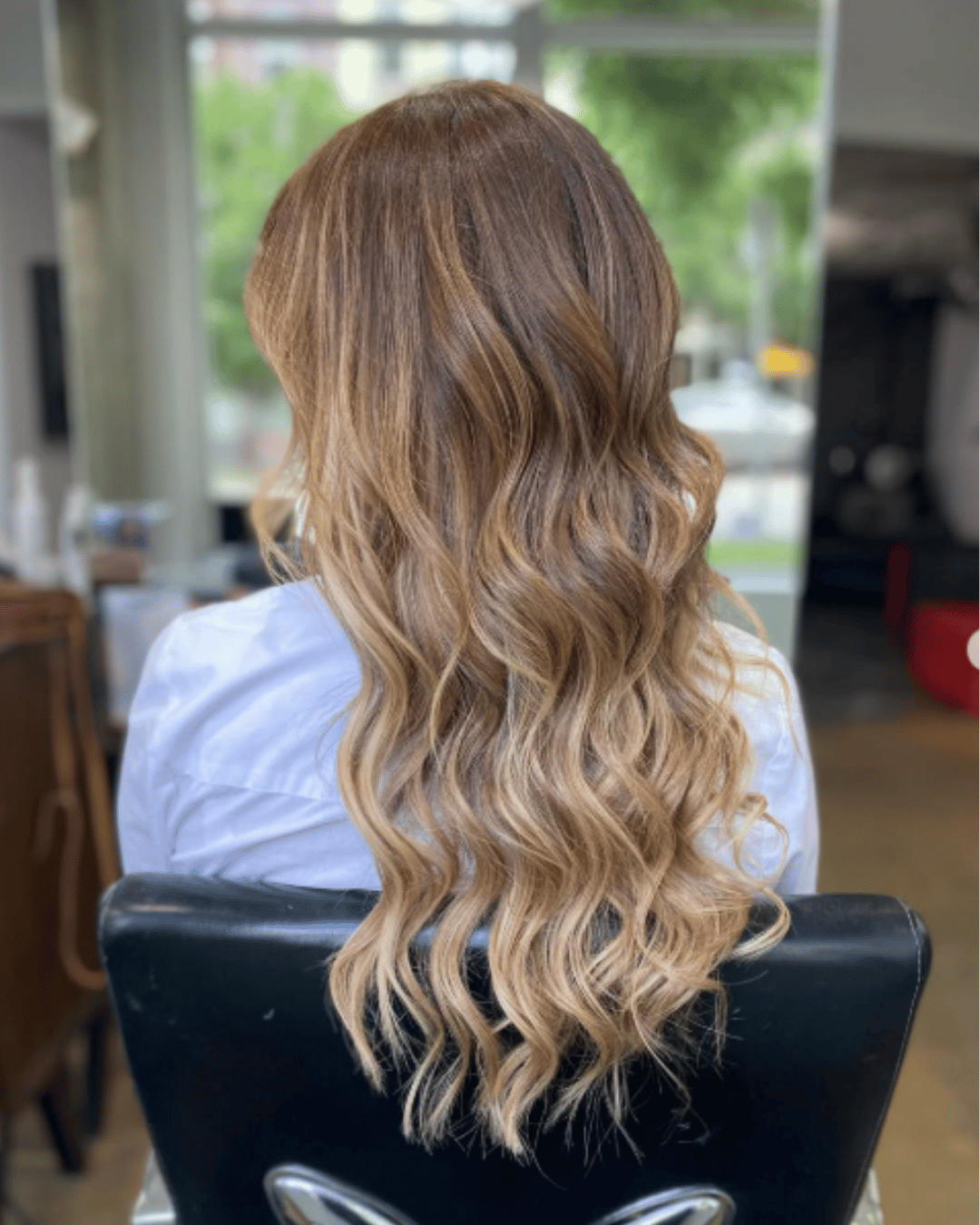
A root shadow is a color technique where your stylist intentionally deepens the root area of your hair, creating a soft, natural-looking transition between your roots and the rest of your color. That is really all it is. Instead of your highlights or lightened ends starting right at the scalp, there is a gentle, blended depth at the root that gradually moves into your lighter color as it travels down the hair. The result looks like hair that has grown out beautifully and intentionally rather than hair that is simply overdue for an appointment. It is the difference between roots that announce themselves and roots that belong.
Why Root Shadow Is Having a Moment Right Now
There has been a significant shift in how people think about color maintenance over the past few years, and root shadow sits right at the center of it. The look that people want now is less about perfectly uniform, freshly touched-up color from root to tip and more about hair that looks effortless, lived-in, and natural. Root shadow delivers that. It is a technique that works with the way hair actually grows rather than fighting against it, which means the look gets better over time instead of worse.
On a more practical level, the cost and frequency of color maintenance has become a real conversation for a lot of clients. A full highlight or color refresh every six to eight weeks adds up quickly, and many people are looking for ways to extend the life of their color without sacrificing how it looks. Root shadow is one of the most effective answers to that problem. Because the roots are intentionally darkened, the grow-out period is significantly less noticeable. You can go longer between appointments without looking like your color has been neglected, which is genuinely useful and not a compromise.
How Root Shadow Is Different From What You Might Be Picturing
It Is Not the Same as Grown-Out Roots
This is the first thing to understand, because it is where most people get confused. Grown-out roots look unfinished because there is a hard line where your natural color ends and your lightened color begins. Root shadow is the opposite of that. It is applied by a trained colorist with intention, blended precisely into your existing color so that the transition is seamless and gradual. The depth at the root looks like it belongs there. It looks dimensional and deliberate, not neglected. The technique requires skill and an understanding of how your specific hair color behaves, which is why the result is so different from simply not going to the salon.
It Is Not Just for Blondes
Root shadow works across a wide range of hair colors and is not limited to blonde or heavily highlighted hair. It is an excellent technique for brunettes with highlights or balayage, for clients with fashion colors who want a softer grow-out, and for anyone whose natural root color is darker than the rest of their hair. The specific shade used for the shadow is always customized to your color, which means it reads differently on every client. On a platinum blonde it creates a rich, cool depth at the root. On a warm brunette it adds dimension and movement that flat, single-process color simply cannot achieve.
It Is Not a Shortcut. It Is a Strategy.
Some clients hear "low maintenance" and assume it means lower quality or less thought. Root shadow is actually the opposite. It requires a colorist who understands the full picture of your color, where it has been, where it is going, and how your natural base interacts with the tones already in your hair. Done well, it is one of the more nuanced color techniques available, and the results reflect that. Calling it low maintenance refers to what it asks of you between appointments, not to what it asks of the person applying it.
Why Colorists Are Recommending It Specifically in Summer
Summer creates a specific set of conditions that make root shadow more relevant, and more useful, than it is at any other time of year. The first is sun exposure. UV rays lighten and oxidize hair color throughout the summer, which means that highlights and lightened ends naturally get brighter and warmer as the season goes on. A root shadow grounds that brightness. It gives the lighter tones something to contrast against, which actually makes the color look more intentional and dimensional as the summer progresses rather than washed out or overexposed.
The second reason is heat and lifestyle. Summer tends to mean more outdoor activity, more time in the water, more sweat, and more days where the hair is thrown up rather than styled. All of that is harder on freshly processed color that relies on precise maintenance. Root shadow builds in a forgiving quality that makes your color look good on the days when your hair is not at its most polished. It is genuinely suited to how most people actually live during the warmer months, which is a large part of why colorists bring it up as summer approaches. If you have noticed your color looking brassy or faded faster than expected in previous summers, our blog on why your blonde turns brassy faster in summer covers exactly why that happens and how techniques like root shadow work alongside other protective choices to keep your color looking its best.
Who Root Shadow Works Best For
1. Blonde and Balayage Clients
If you have a balayage or any form of blonde that starts relatively close to the root, root shadow is one of the most natural additions to your color story. It provides the depth that makes balayage look dimensional rather than flat, and it extends the time between appointments without any visual compromise. Many clients who have balayage without a root shadow find that the grow-out starts looking uneven or patchy after a few weeks. Adding the shadow creates continuity that carries through the entire grow-out cycle.
2. Brunettes With Highlights
For brunettes, root shadow enhances the natural behavior of the hair by adding intentional depth that mirrors what hair actually does in nature. Very few people have perfectly uniform color from root to tip in their natural hair. Depth at the root with lighter movement through the mid-lengths and ends is how natural hair behaves, and root shadow recreates that. If your color and highlights service has been feeling a little flat or one-dimensional at the root, a root shadow is often the piece that brings the whole color to life.
3. Anyone Growing Out a Previous Color Service
If you are transitioning away from a heavily processed color, whether that is a full bleach, a solid color you have grown tired of, or a fashion shade you are ready to move on from, root shadow is one of the most effective tools for making that transition look intentional rather than accidental. It softens the visual line between your natural grow-out and the existing color in a way that reads as a deliberate style choice. It buys you time and keeps your hair looking polished while the transition happens gradually over multiple appointments.
4. Anyone Who Wants to Come In Less Often
This is perhaps the most straightforward reason to consider root shadow and also the one that most directly affects real life. If your current color requires a touch-up every five or six weeks to avoid looking grown-out, root shadow can comfortably extend that to ten or twelve weeks without your color looking neglected in the gap. For clients who travel frequently, have demanding schedules, or simply do not want to be in the salon every five weeks, that kind of flexibility is a meaningful quality-of-life change.
What the Appointment Actually Involves
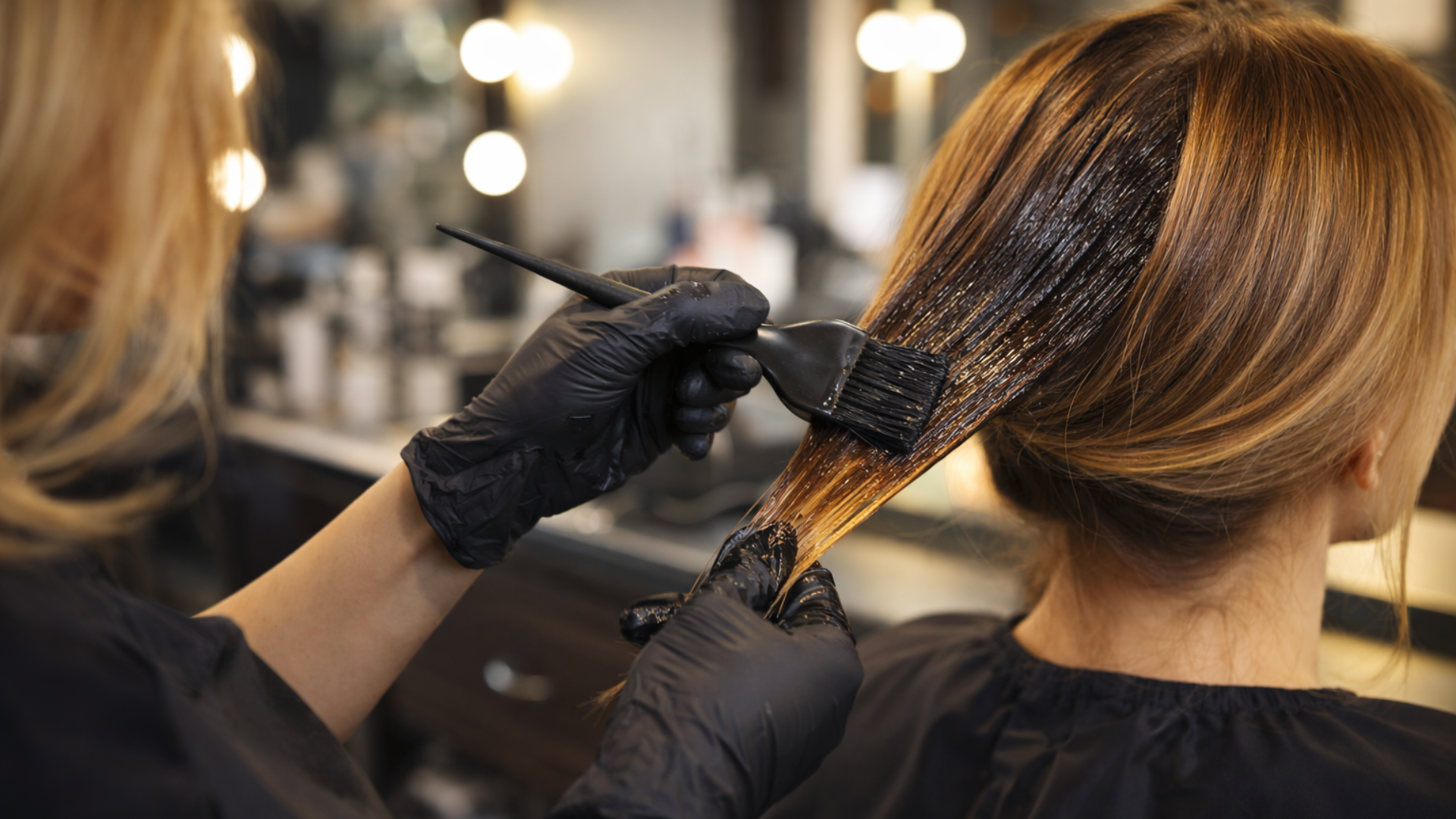
If you are picturing something complicated or time-consuming, the reality is more straightforward than you might expect. A root shadow appointment typically involves your colorist mixing a shade that is specifically formulated to complement your existing color, then applying it to the root area with a technique designed to blend it softly into the lighter color below. There is no hard line, no precise edge, and no harsh demarcation. The blending is done by hand or with a brush in a way that mimics how color naturally fades from root to tip.
The service itself is usually faster than a full color appointment and can often be combined with other services. Many clients have it done alongside a balayage refresh or a gloss treatment to add shine and deepen the tones throughout the hair. In some cases, particularly for clients who are new to the technique, the colorist may take additional time during the consultation to map out exactly where the shadow should sit and how deep it should go based on the natural growth pattern of your hair. That planning is what separates a root shadow that looks seamless from one that looks patchy.
If you are coming in specifically for a root shadow for the first time, arrive with clean, dry hair and bring any photos that help communicate the depth and tone you have in mind. Your colorist will take those references alongside a live assessment of your current color to build the right formula. The conversation before the application is as important as the application itself, which is something our team takes seriously at every color appointment.
How to Ask for It at the Salon
One of the reasons root shadow has not been on every client's radar until recently is that it goes by several names. You may hear it called root smudge, root melt, shadow root, or root blur depending on the salon and the stylist. They all describe variations of the same fundamental technique, with minor differences in how much depth is added and how far down the hair the shadow is blended. When you are speaking with your colorist, describing what you are looking for in plain terms is just as effective as using the technical name. Tell them you want softness and depth at the root that blends naturally into your existing color. Tell them you want a longer grow-out. Tell them you are tired of the two-week window where your roots announce themselves before you can get back in the chair. Any experienced colorist will know exactly what you are describing.
What you want to avoid is asking for it based solely on a photo without discussing your specific hair first. Root shadow looks different on every person depending on their natural base color, the depth of their current highlights, and the tones already present in their hair. A photo is a useful starting point for a conversation, not a blueprint. Your colorist will take that reference and interpret it for your hair specifically, which is the only way to get a result that actually looks like it belongs on you.
How to Keep It Looking Its Best Between Appointments
One of the reasons root shadow works so well as a summer color technique is that it is genuinely forgiving at home. But there are still a few things worth knowing to keep it looking the way it did when you left the salon.
Sulfate-free shampoo is the most important product choice you can make for any color service, and root shadow is no exception. Sulfates strip color faster, which is the opposite of what you want when the whole point is to extend the time between appointments. Washing less frequently also matters more than most people realize. Every shampoo session removes a small amount of color from the hair. If you are washing daily, the tones in your root shadow will shift faster than they should. Stretching your wash schedule to two or three times a week preserves the depth and richness of the color for significantly longer. If you are not sure how to manage that transition, especially in summer when the instinct is to wash more, our blog on overwashing your hair in summer walks through exactly how to do it without your hair feeling anything less than fresh.
UV protection for the hair is worth taking seriously as well. The lighter tones in your color are more vulnerable to sun oxidation than the deeper root shadow, which means unprotected summer exposure will create a contrast imbalance over time. A UV-protective leave-in spray or a hat on the days when you are spending extended time in the sun makes a real difference to how your color holds through the season. These are small habits that cost very little time and protect an investment that was worth making in the first place.
Beyond product choices, the most important thing you can do is keep your follow-up appointment. Root shadow extends your schedule, but it does not eliminate maintenance entirely. When you do come back in, your colorist can refresh the shadow, adjust the depth if needed, and keep the overall color story moving in the right direction. Color that is tended to consistently over time always looks better than color that is left alone too long and then overcorrected. Think of it less as a series of individual appointments and more as an ongoing relationship between you and your hair.
Ready to Try It?
If your colorist has been mentioning root shadow and you have been curious but not quite ready to ask more questions, this is a good time to have that conversation. It is one of the most wearable, versatile, and genuinely practical color techniques available right now, and summer is exactly the right season to try it. Whether you want to extend your time between appointments, add dimension you have been missing, or simply make your color feel more like you and less like something you have to maintain constantly, root shadow is likely part of the answer.
Book a color consultation at Ergun Tercan Salon and we will assess your current color, talk through what root shadow would look like on your specific hair, and give you an honest picture of what to expect. No guesswork, no pressure. Just a real conversation about your hair and where you want it to go.
Enjoying This Read? Here Are a Few More Expert Guides You May Find Helpful.
If you enjoyed this read, here are a few more expert guides you may find helpful.