
Where Do Hair Extensions Come From? A Guide to Ethical, Sustainable Sourcing
Ethical hair extensions are extensions made from human hair collected through fair, transparent transactions where donors were properly paid and not exploited. Sustainable hair extensions go a step further, focusing on hair that lasts longer, can be reused across multiple appointments, and is processed responsibly. In 2026, more clients are asking salons directly where their extensions come from, and the answer matters more than most people realize.
Why More Clients Are Asking Where Their Hair Extensions Come From
A few years ago, most extension questions were about length and color matching. Now one question comes up constantly: where does this hair actually come from. It is a fair question, and a good one.
The honest answer is that the hair extension industry has not always made this easy to find out. Sourcing practices have varied widely from supplier to supplier, and transparency has historically been the exception rather than the rule.
That is starting to change. More suppliers are being asked to account for their sourcing, and more salons are being asked to explain where their hair comes from before a client will book. This guide walks through exactly what ethical and sustainable hair extensions mean, what to ask before booking, and how to recognize a salon that takes sourcing seriously rather than just saying it does.
Where Do Hair Extensions Actually Come From?
Most high quality hair extensions are made from human hair collected from donors, often in regions with a long-standing culture of hair donation or sale. This is not automatically a problem. Hair donation can be a fair, mutually beneficial transaction when it is handled correctly.
The issue arises when that transaction is not transparent, not properly disclosed, or not fairly compensated. This has happened more often in the global hair trade than most clients realize, which is exactly why ethical sourcing has become such an important part of choosing where to get extensions done.
There is also a meaningful difference between virgin hair extensions and processed hair extensions. Virgin hair has never been chemically treated, colored, or altered before reaching the salon, which generally means better quality, more durability, and a more predictable result once applied.
Processed hair has typically been treated to change its color or texture before it is sold. This can shorten its lifespan and make it behave less predictably in your own hair. Ethical sourcing and hair quality are related conversations, but they are not the same thing, and a knowledgeable salon should be able to speak clearly to both.
What Makes Hair Extensions Ethically Sourced
Fair Compensation for Hair Donors
The most basic piece of ethical sourcing is whether the original donor was paid fairly for their hair. This sounds simple, but it is genuinely difficult to verify unless a supplier is transparent about it from the start.
Reputable suppliers can speak clearly to how donors are compensated and under what circumstances the hair was collected. If a supplier cannot answer that question with any specificity, that is worth taking seriously before moving forward.
Transparency Through the Supply Chain
Hair extensions typically pass through several hands before they ever reach a salon. They move from the original collection point, through processing facilities, through distributors, and finally to the stylist applying them.
Ethical sourcing means transparency exists at each one of those steps, not only at the final point of sale. A salon that has done its own due diligence on its suppliers, rather than simply buying from whoever offers the lowest price, is doing meaningful work on your behalf even if you never see that process directly.
No Coercion or Exploitation
This is the part of the conversation that matters most, and it is also the hardest to fully verify from the outside. There have been well documented cases in the global hair trade involving hair collected without proper consent or fair payment, particularly from vulnerable populations.
Ethical suppliers actively work to avoid sourcing from any chain where that risk exists. This often means working with fewer, more carefully vetted partners rather than the largest or cheapest supply available. It is also one of the most important reasons that price alone should never be the deciding factor when choosing where your extensions come from.
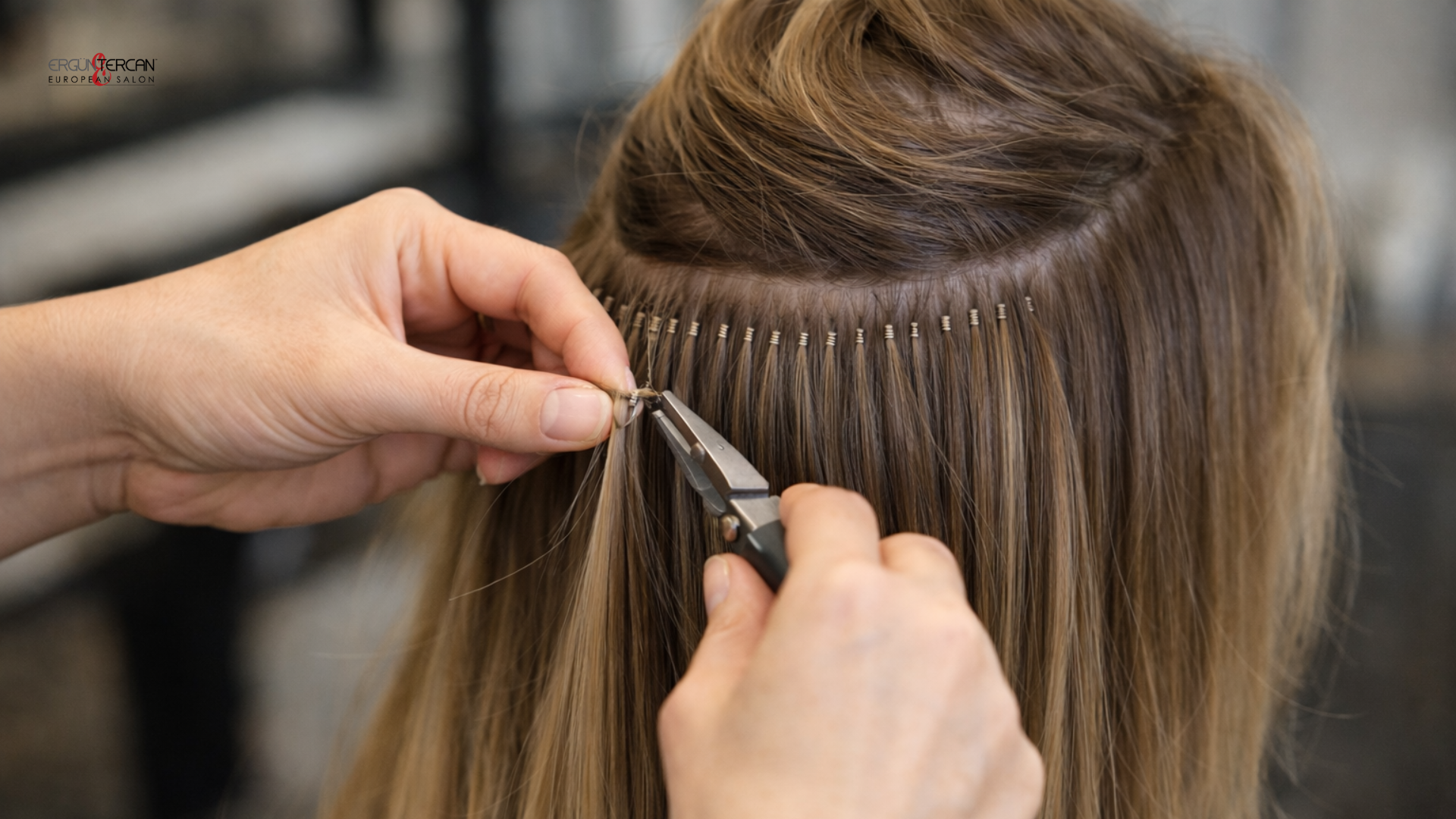
How Sustainable Are Your Hair Extensions? Here Is What to Look For
Longevity and Reuse
One of the most overlooked aspects of sustainability is simply how long the hair lasts and how many times it can be reused. High quality, well maintained extensions can often be reapplied multiple times over their lifespan rather than discarded after a single use.
This matters more than it might seem, because it directly reduces the volume of new hair that needs to be sourced over time. Salons that take this seriously will talk you through how to care for your extensions so they can be reused in future appointments rather than treated as disposable.
Responsible Processing
The chemical processes used to prepare hair for extension use, including color treatment or texture alteration, carry an environmental footprint. Suppliers who are more conscious about sustainability tend to use gentler processing methods and are more selective about which chemicals they use.
This benefits both the quality of the hair and the broader environmental impact of producing it.
Reducing Waste in the Salon
Sustainability is not only about where the hair comes from. It also includes how a salon manages waste throughout the extension process itself, from packaging to the products used during application and removal.
A salon that has thought carefully about its sourcing has usually also thought carefully about these adjacent practices, because the two tend to come from the same set of values.
Why Sourcing Matters More to Clients Now Than It Used To
Part of this shift is generational. Clients in their twenties and thirties have grown up with significantly more access to information about supply chains, labor practices, and the environmental impact of personal care industries.
Asking where a product comes from is no longer an unusual question. It is an expected part of making almost any purchase decision now, whether that is clothing, food, or beauty services. Hair extensions are simply catching up to a standard that has already become normal elsewhere.
There is also a trust factor that goes beyond ethics specifically. A salon that can answer detailed questions about sourcing tends to be a salon that has done its homework in other areas too, from technique to product selection to ongoing education.
Clients have picked up on this correlation, even if they could not necessarily explain it that way. Asking about sourcing has become a simple, reliable way to gauge whether a salon takes its work seriously overall.

Questions Worth Asking Before You Book Hair Extensions
If sourcing and sustainability matter to you, and they should, there are a handful of direct questions worth asking any salon before committing to an extension appointment.
Where does your hair come from. How are your suppliers vetted. Is the hair virgin or processed. Can the hair be reused in future appointments. What happens to extensions once they are removed.
A salon that takes sourcing seriously will not be caught off guard by any of these questions. They may not have every detail memorized in the moment, but they should be able to speak knowledgeably and specifically, not in vague reassurances. If the answers feel rehearsed, evasive, or simply unavailable, that is useful information in itself
How Ergun Tercan Salon Approaches Ethical Hair Extension Sourcing
We get asked about sourcing more often now than we did even a few years ago, and we think that is a good thing. It pushes the entire industry toward more accountability, and it gives us the chance to be transparent about something we already care about.
Our hair extension services use hair sourced through suppliers we have personally vetted, with a focus on fair compensation, transparency, and quality that holds up over time. We are happy to walk through exactly where your extensions are coming from at your consultation, because we think you deserve to know before you commit to the service.
This is also part of why we lead every extension appointment with a real consultation rather than a quick sales conversation. The condition of your hair, the type of extensions that make sense for you, and the sourcing behind the hair itself are all part of the same decision. If you want to see what that experience actually looks like from the client's side, one of our clients shared her full story in our blog about getting extensions for the first time at forty.
What Sustainable Sourcing Means for the Future of Hair Extensions
Demand drives supply, and that is true in hair extensions just as it is everywhere else. As more clients ask these questions, more salons are pushed to find suppliers who can actually answer them, and more suppliers are pushed to improve practices that have gone unexamined for too long.
This is a slow process, and it is far from complete across the industry as a whole, but the direction of travel is clear. Sourcing transparency is moving from a niche concern to a basic expectation, and that shift benefits everyone involved, from the donors whose hair is being used to the clients wearing it.
For clients considering extensions for the first time, this is genuinely good news. It means the questions you are already inclined to ask are exactly the right ones, and asking them is helping move the entire industry toward better practices.
If you already have extensions and want to understand how to care for them in a way that extends their lifespan, our guide on living an active lifestyle with hair extensions covers the everyday habits that help your extensions last as long as possible.
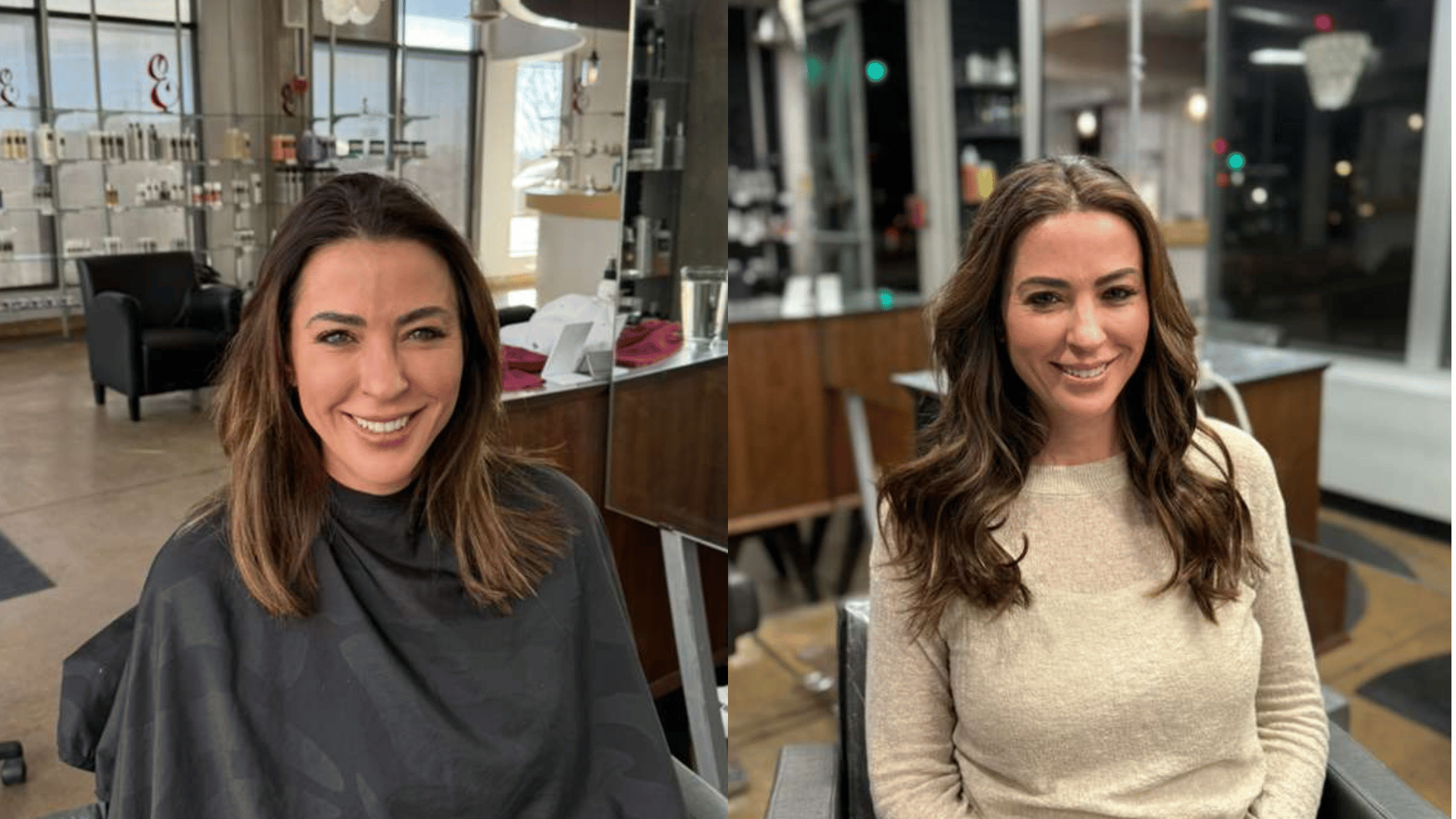
A Better Question to Ask Before You Book
For a long time, the main question clients asked before getting extensions was simply how good will this look. That question still matters, but it is no longer the only one worth asking.
Where does this hair come from is now just as important, and the salons that can answer it honestly are the ones worth trusting with both your hair and your money. If you are ready to have that conversation, book a consultation at Ergun Tercan Salon and we will walk you through exactly where your extensions come from, what condition your hair is in, and what to expect from the process. No vague reassurances. Just real answers.
Enjoying This Read? Here Are a Few More Expert Guides You May Find Helpful.
If you enjoyed this read, here are a few more expert guides you may find helpful.
Root Shadows 101: Why Your Colorist Might Be Recommending It This Summer in Denver
I Got Hair Extensions in Denver for the First Time at 40. Here Is What Nobody Told Me
Biggest Mistakes People Make with Hair Extensions Before Summer in Denver
Stop Overwashing Your Hair This Summer — What Your Scalp Is Actually Telling You