
Best Hair Extensions for Summer in Denver: Lightweight Options for Hot Weather
Which Method Works Best in the Heat?
The lightest hair extension methods for summer are tape-in extensions, hand-tied weft extensions, K-tip keratin bond extensions, and micro-bead extensions. Each sits flat against the scalp, uses minimal attachment hardware, and adds no unnecessary bulk in hot weather. The best choice depends on your hair type, how active your lifestyle is, whether you swim regularly, and how long you want to go between maintenance appointments.
Why Summer in Denver Changes How Extensions Need to Fit and Feel
Denver summers are not the same as summers anywhere else. The elevation brings stronger UV exposure than most people expect, and the dry heat creates conditions that affect how extensions behave in ways that are easy to underestimate before you experience them.
Heat makes the scalp more active. Increased sweat, more oil production, and greater sensitivity around attachment points are all common once temperatures rise, which means an extension method that felt completely comfortable in February can feel noticeably heavier and more present by July.
The most common complaint extension clients have in summer is not about how their extensions look. It is about how they feel. Too heavy at the root, too warm against the neck, or too demanding for a lifestyle that now includes pool days, outdoor workouts, and long weekends in the mountains. Understanding which methods are genuinely suited to summer, and why, is worth knowing before you commit to any installation.
What Lightweight Actually Means When It Comes to Extensions
Lightweight in the context of extensions refers to two different things that are worth separating. The first is the physical weight of the hair added. The second is the size and profile of the attachment hardware used to hold it in place.
A large bond, a thick weft, or a bulky attachment sits on the scalp and generates friction and heat in a way that smaller, flatter attachments simply do not. In summer, that friction is compounded by sweat and increased scalp sensitivity. Extensions that felt undetectable through winter can feel noticeable and uncomfortable the moment the heat arrives.
The density of hair added matters just as much as the attachment type. Too much volume for your hair's natural density means more weight pulling at the root, which becomes more obvious as temperatures climb. A good extension specialist will match density to your natural hair rather than maximizing it. That match is what actually makes extensions feel light through a full summer day rather than heavy by noon.
The Lightest Extension Methods for Summer
Tape-in extensions are among the most popular summer choices for straightforward reasons. The wefts are thin, flat, and designed to lie close to the scalp. They create almost no bulk at the root and are one of the fastest methods to install, typically completed in under an hour.
The hair used in quality tape-in extensions is 100 percent human Remy hair, meaning the cuticles all face the same direction for a smooth, tangle-free result. The medical-grade adhesive creates a flat hold that is genuinely difficult to detect. With proper care, the hair itself can be reused up to three times before replacement, with maintenance visits every four to six weeks to reposition the wefts as your natural hair grows. More detail on the full process is covered on the tape-in FAQ page.
There is one important summer-specific consideration worth knowing. Prolonged direct sun exposure can soften tape adhesive over time, making the wefts more prone to slipping when you brush or style. On long outdoor days, a hat is a simple and practical solution. For clients who swim daily or competitively, a different method is worth considering.
Hand-Tied Weft Extensions
Hand-tied weft extensions use no heat and no adhesive. They are secured with silicone beads, with each weft sewn onto a track of beads that sits flat against the scalp and moves naturally with the hair. Of all the available methods, hand-tied wefts are most frequently described as feeling closest to natural hair in everyday movement.
This method works best on medium to thick hair and uses hair that can be reused up to six times with proper care. Maintenance runs every four to five weeks, with each visit repositioning the wefts as your natural hair grows. The full application and maintenance process is outlined on the hand-tied weft FAQ page.
For summer specifically, the absence of adhesive is a genuine practical advantage. There is no bond or tape that can be affected by sweat, heat, or water the same way chemical adhesives can. This makes hand-tied wefts a solid choice for clients who want flexibility without managing what their extensions are exposed to.
K-Tip Keratin Bond Extensions
K-tip extensions are applied strand by strand, with a small keratin tip fused close to the root of each individual extension. Because keratin is the same protein that makes up natural hair, the bond integrates in a way that feels flexible and natural rather than rigid or detectable.
Both hot fusion and cold fusion application methods are available depending on hair type. Hot fusion uses gentle heat to flatten the keratin bond flush against the scalp. Cold fusion uses ultrasonic pressure to bond without heat, which is generally better suited to regular or thicker hair types. The full breakdown is on the K-tip FAQ page.
K-tips are particularly well suited to summer swimmers. The keratin bond handles repeated water exposure significantly better than tape adhesive, which makes this the most practical method for anyone who spends real time in a pool or open water. The hair lasts up to six months, meaning a summer installation carries comfortably through the season and into fall.
Micro-Bead and I-Tip Extensions
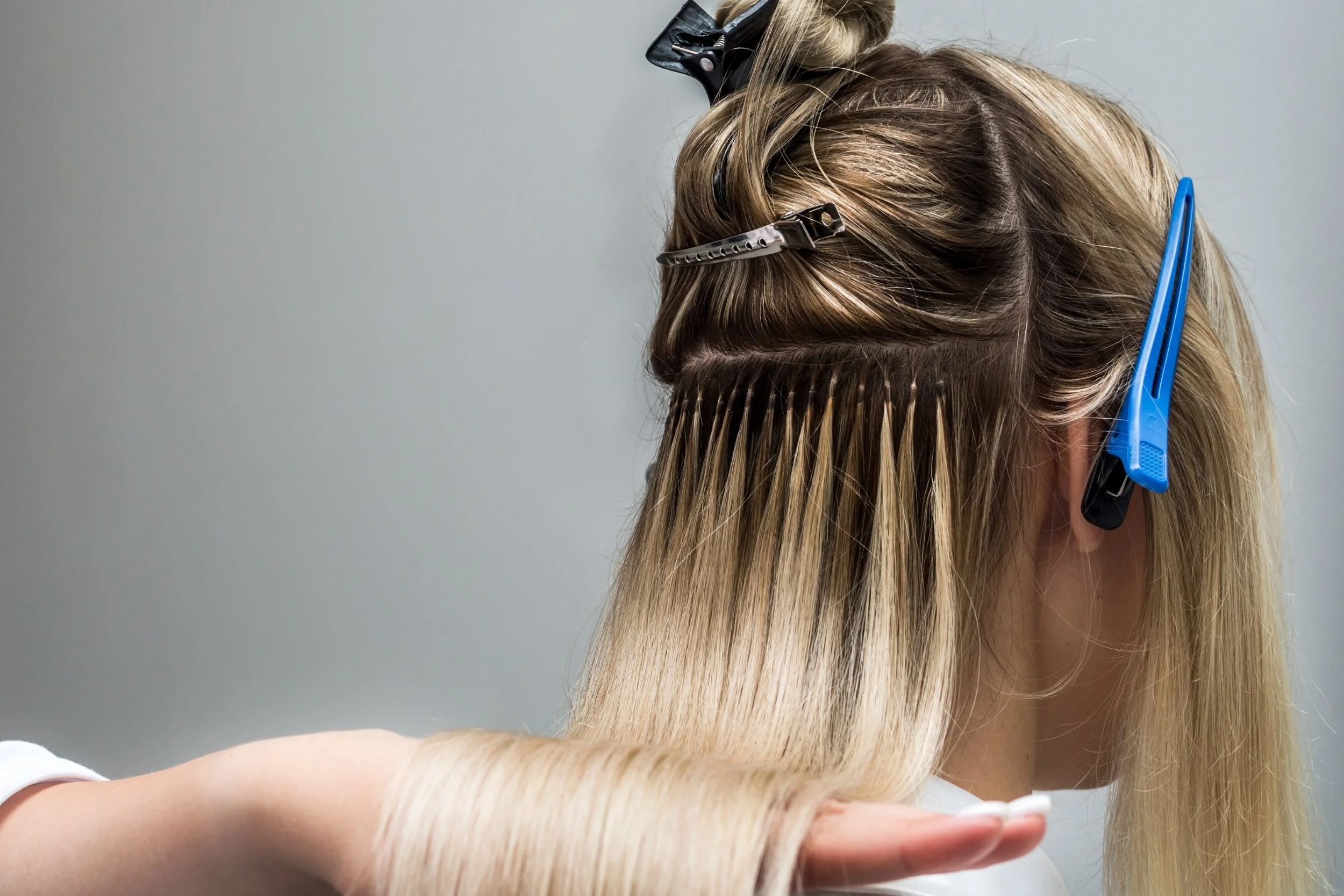
Micro-bead extensions use small, specially designed beads to attach each extension strand to natural hair individually, with no heat and no adhesive involved. The beads are compact and sit discreetly at the root, moving with the hair rather than against it.
The hair is reusable up to six times with proper care, and maintenance runs every four to five weeks. The attachment hardware is among the smallest available in professional extension work, which makes this a genuinely comfortable warm-weather option for anyone who is sensitive to anything that feels heavy or present at the scalp.
Matching the Method to Your Summer Lifestyle
If You Swim Regularly
For daily or frequent swimmers, K-tip keratin bonds hold up better in water than any other method. The keratin material does not react to chlorine or salt the way tape adhesive can, and the strand-by-strand application lets water drain and dry more easily than weft-based methods do.
One habit worth building regardless of which method you choose: wet your hair thoroughly with clean water before getting in a pool. Hair that is already saturated absorbs significantly less chlorine than dry hair, which reduces the chemical exposure to both your natural hair and the extension hair. After swimming, never put wet extensions into a tight bun or ponytail. Bundling wet extensions traps moisture against the bonds and scalp for hours, which leads to matting, odor, and accelerated wear on the attachment points.
If You Work Out Every Day
For clients with daily workout routines, hand-tied weft extensions are the most forgiving. The silicone bead attachment does not degrade with repeated sweat exposure the way adhesive can over time, and the wefts move naturally during physical activity without generating friction or pulling at the root.
A loose braid or low ponytail during workouts prevents the tangling that happens when extension hair is loose and active simultaneously. Tight, high ponytails that pull directly at the attachment points are worth avoiding consistently. Our guide on living an active lifestyle with hair extensions gets into specific recommendations by activity type for anyone who wants a more detailed breakdown.
If You Have Fine or Thinning Hair
Fine and thinning hair needs the lightest attachment hardware and the most carefully managed density. Excess weight on a fine base creates visible tension at the root and puts real stress on fragile strands over time.
Tape-ins work well for fine hair because the flat weft spreads weight across a broader section rather than concentrating it at a single attachment point. K-tips applied at a lower density than standard application are also effective when placed thoughtfully. The specifics of how method and density change for fine hair are covered in the thin hair extensions guide.
If You Travel Frequently This Summer
For clients who travel a lot between June and September, the priority is a method that requires minimal daily management and holds up across different climates, water types, and unpredictable schedules.
Hand-tied wefts and K-tips both travel well and allow flexible styling without significant daily effort once the maintenance routine is established. If travel is a consistent part of your summer, the pre-vacation hair prep guide walks through what to do in the two weeks before you leave to set your extensions up for the trip.
What Denver's Dry Climate Does to Extension Hair That Most People Do Not Expect
Extension hair does not receive natural oils from the scalp the way your own hair does. It is starting from a dryer baseline every single day. Denver's combination of high altitude, low humidity, and intense summer sun accelerates that dryness in a way that surprises most extension clients who have not worn them here before.
The practical response to this is consistent, lightweight hydration at the mid-lengths and ends. A small amount of hair oil or a leave-in conditioner applied to the lengths, kept away from the roots and attachment points entirely, makes a meaningful difference in how extension hair holds up through a full Denver summer.
Salt sprays are worth avoiding entirely. They create a texture that looks good but strips moisture rapidly from extension hair. The dryness compounds with every application, and by the middle of summer, hair that started off healthy begins to feel and look straw-like. If you want beachy texture, a sugar-based texturizing spray or a light curling iron achieves a similar result without the drying effect.
UV exposure also fades extension hair faster than many clients anticipate, particularly when extensions have been color-matched to highlighted or lightened ends. A UV-protective leave-in applied before spending extended time outdoors is one of the simplest and most effective habits for preserving both color and condition through the season. If your natural hair includes a balayage or color and highlights service, the same product protects both.
Summer Care Habits That Make or Break Extension Longevity
Denver heat makes the scalp feel dirtier than it is, and the instinct for most people is to shampoo daily. For extensions, this is one of the fastest ways to shorten the lifespan of both the hair and the attachment. Frequent washing strips extension hair of what little moisture it has, dries out the attachment points, and for tape-ins specifically, degrades the adhesive faster than regular wear would.
Two to three washes per week is appropriate for almost every extension client in summer, regardless of how much they sweat. A cool water rinse on workout days removes most of what makes the scalp feel uncomfortable without the stripping effect of shampoo. The full reasoning behind this and practical ways to manage the adjustment are in the guide on overwashing in summer.
Sunscreen is a summer-specific issue that extension clients need to know about. A common sunscreen ingredient called Avobenzone reacts chemically with minerals in water when it contacts hair, creating a permanent orange or peach stain. This affects extension hair the same way it affects natural hair, and the staining is not correctable. Checking the ingredient list on any sunscreen before it goes near your hair is worth thirty seconds of attention.
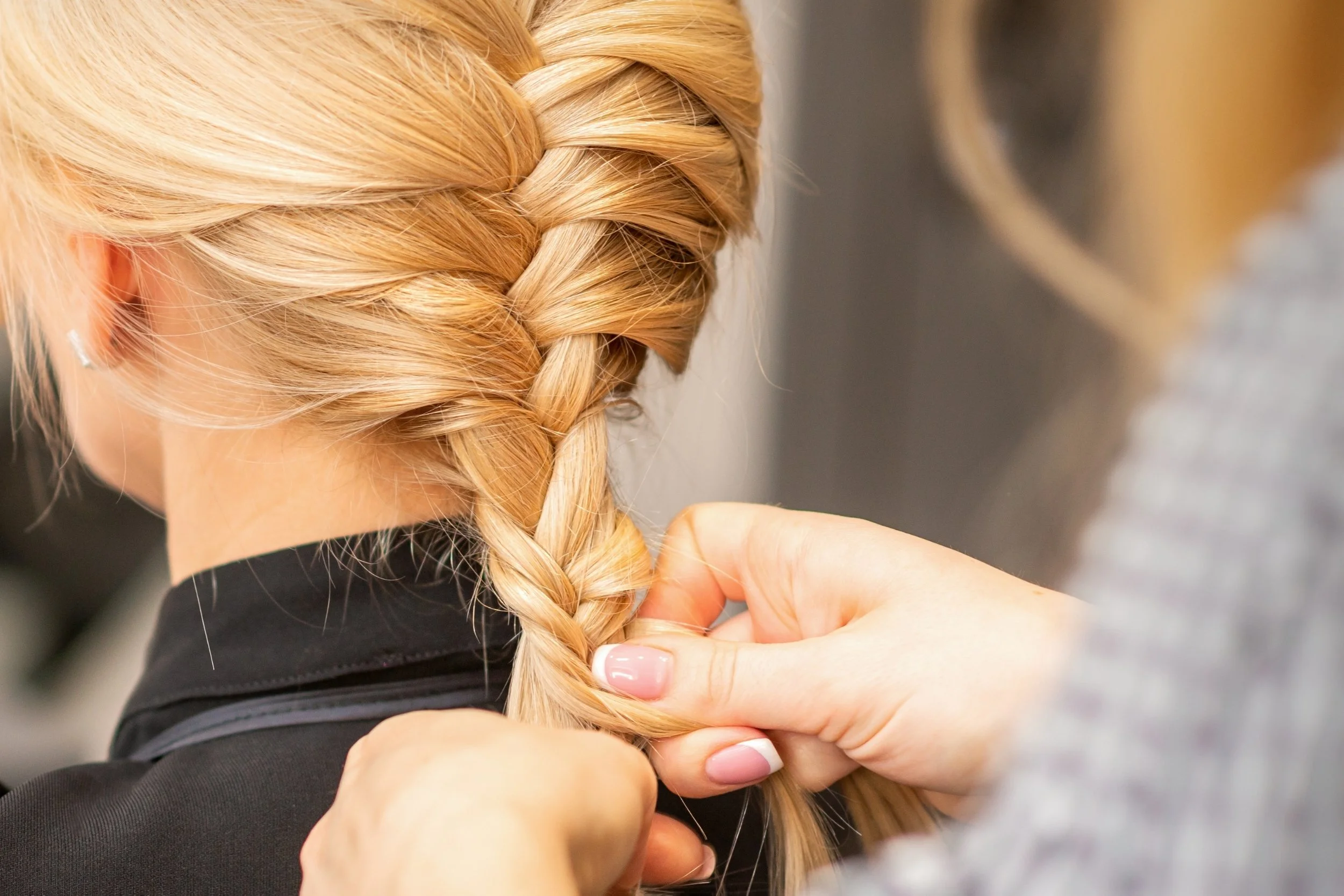
Brushing consistently matters more in summer because sweat and product create tangles at the root faster than in cooler months. Starting at the ends and working slowly upward twice a day keeps the hair smooth and prevents matting that becomes increasingly difficult to address the longer it sits. A soft-bristle extension brush, not a standard paddle brush, is the right tool for this.
How Much Hair to Add and Why Less Is Often the Right Answer in Summer
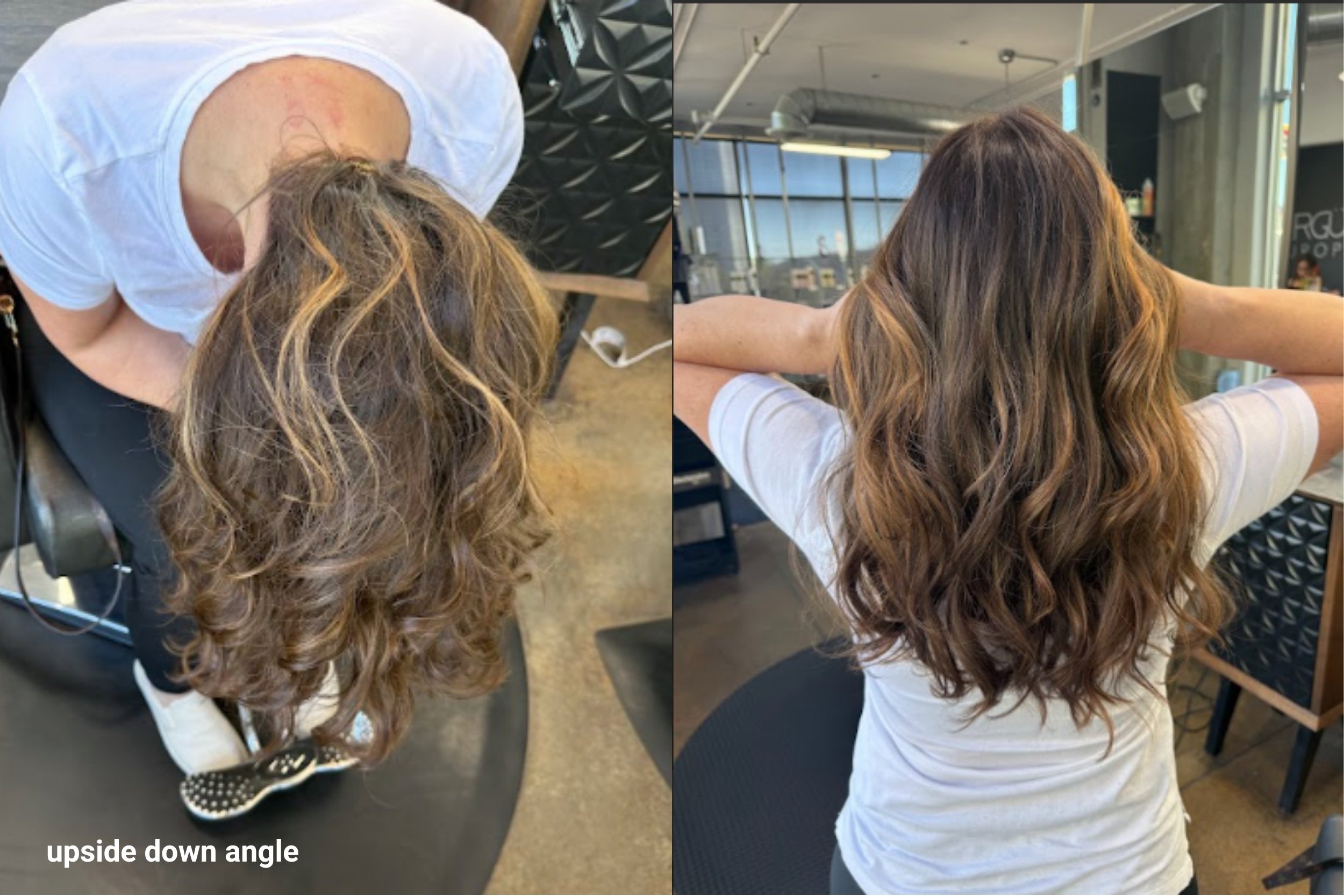
One of the most overlooked factors in summer extension comfort is not the method, but the amount of hair added. A full, very dense installation in the middle of summer is a genuinely different experience from a lighter, more strategic application built for the season.
More length means more hair trapping heat against the neck and back. More density means more weight at the scalp during a season when the scalp is already more active and sensitive. These are not reasons to avoid extensions in summer. They are reasons to be specific and honest about the amount during your consultation rather than defaulting to the most dramatic option.
What tends to surprise people is that a lighter summer application often looks just as full as a heavier winter one. Summer hair has more natural movement, lifestyle styling creates texture, and less density reads as intentional rather than sparse. The instinct to add as much as possible is understandable, but it is not always what makes the result look or feel best.
Questions Worth Asking Before You Book Your Summer Extension Appointment
Before any extension consultation, it helps to come in with a clear picture of your actual daily life, not just the result you want in the mirror. Think about how often you genuinely work out, whether you swim, how much time you spend outdoors, and how much daily styling effort you are realistically willing to commit to between now and September.
Ask the stylist you are considering what method they are recommending and why specifically for your hair type and your lifestyle, not just as a general suggestion. Ask what density they are planning to use and how that compares to your natural hair's density. Ask what the realistic maintenance schedule looks like and what happens to the hair if a maintenance appointment is missed by a week or two.
A straightforward question about sourcing is also worth asking before committing. Where the hair comes from, whether it is virgin or processed, and how the salon's suppliers are vetted are reasonable things to know. More on what ethical sourcing actually means in practice is covered in the guide to ethical and sustainable hair extensions in 2026.
If you are considering extensions for the first time, the experience of going through that process and what to actually expect from consultation through installation is documented honestly in a real client account of getting extensions for the first time at forty, which is worth reading before your appointment.
The Goal Is Extensions You Stop Thinking About
The best summer extensions are the ones you forget you have by the end of the first week. They move with your hair, survive your lifestyle, look deliberate rather than obvious, and do not require you to reorganize your entire summer around managing them.
Getting there is mostly a function of choosing the right method for the right reasons and being honest during your consultation about how you actually live, not how you plan to live. Extensions installed for a specific, realistic version of your summer tend to hold up through it. Extensions installed for a version of summer that never materializes tend not to.
Frequently Asked Questions About Lightweight Hair Extensions for Denver Summers
What is the lightest hair extension method for summer?
Tape-in and hand-tied weft extensions are generally the lightest because both lie flat against the scalp with minimal attachment hardware. K-tip keratin bonds are also very lightweight applied strand by strand. The lightest result in practice depends as much on the density applied as on the method itself.
Can I swim with hair extensions in summer?
Yes, with the right method and the right habits. K-tip keratin bonds handle water best because the keratin bond is not affected by chlorine or salt water the way tape adhesive can be. Regardless of method, saturate your hair with clean water before entering a pool, rinse immediately after with a sulfate-free shampoo, and never bundle wet extensions into a tight bun or ponytail afterward.
Why do hair extensions feel heavier in summer?
Increased scalp sensitivity and sweat in hot weather make attachment points more noticeable than they are in cooler months. Extensions that were applied at a density higher than the natural hair's baseline also become more apparent as the scalp becomes more active. This is why density calibration during the consultation matters as much as method selection.
How often do summer extensions need maintenance?
Most methods require maintenance every four to six weeks as natural hair grows. Tape-ins need repositioning every four to six weeks. Hand-tied wefts and micro-beads every four to five weeks. K-tip keratin bonds can be partially maintained as individual strands shift rather than requiring full replacement. Your stylist will set a schedule based on your method and growth rate.
Does Denver's dry heat damage extension hair?
It accelerates moisture loss, which is not the same as causing direct damage but has the same effect over time if not addressed. Extension hair does not receive natural scalp oils, so it starts from a dryer baseline than your own hair. Consistent lightweight hydration at the mid-lengths and ends, UV protection outdoors, and avoiding salt sprays manages this effectively.
What sunscreen ingredient is harmful to hair extensions?
Avobenzone. This common sunscreen ingredient reacts with minerals in water when it contacts hair and creates a permanent orange or peach stain on extension hair. The staining is not correctable. Checking the ingredient list of any sunscreen before it goes near your hair, and choosing a mineral-based, Avobenzone-free formula, avoids this entirely.
How long do summer hair extensions last?
K-tip keratin bonds last up to six months with proper care, making a summer installation last well into fall. Hand-tied weft and micro-bead extension hair can be reused up to six times. Tape-in extension hair can be reused up to three times. How closely you follow the care routine given at installation determines where in those ranges your extensions actually land.
What is the difference between virgin and processed extension hair for summer?
Virgin hair has never been chemically treated before being prepared for extension use, which means it tends to hold up better in summer conditions including sun, chlorine, and heat. Processed hair has been treated to alter its color or texture, which can reduce its durability and make it more reactive to summer exposure. Asking your stylist specifically whether the hair being used is virgin or processed is a reasonable question before any installation.
Related Reads
Living an Active Lifestyle With Hair Extensions covers the specific day-to-day habits around working out, swimming, and physical activity that determine how well extensions hold up through the season.
Are You Overwashing Your Hair This Summer? explains why daily shampooing is one of the most common ways extension clients unintentionally shorten the lifespan of both their hair and their attachment.
The Biggest Summer Hair Extension Mistakes walks through the most common preparation and timing errors that lead to disappointing summer extension results.
Signs It Is Time to Move Up or Replace Your Extensions in Denver helps you identify when maintenance has become urgent before visible problems develop.
What Ethical, Sustainable Hair Extensions Actually Mean in 2026 answers the sourcing and quality questions that are worth asking before committing to any extension service.