
The Best Hair Extension Methods for Hot Weather in Denver
Navigating Hair Extensions in Extreme Heat and Humidity
As temperatures rise and humidity levels peak, the performance of your hair extensions becomes a matter of both comfort and structural integrity. Selecting the correct installation method is not merely an aesthetic choice; it is a technical decision that affects how your hair breathes, moves, and reacts to environmental moisture. Hot weather introduces unique challenges, including increased perspiration at the scalp, exposure to salt and chlorine, and the physical weight of the hair in high heat.
To maintain a luxury experience throughout the summer months, it is vital to understand how different attachment points are whether they are adhesive, mechanical, or thermal behave when the thermometer climbs. Investing in the right method ensures that your hair remains a source of confidence rather than a source of maintenance stress.
Tape-In Extensions: The Humidity Challenge
Tape-in extensions are a popular choice for their quick installation and flat profile, but they require specific care during the summer. The medical-grade adhesive used to secure the sections can be sensitive to excessive heat and natural oils produced by the scalp in humid climates. When the scalp becomes hot, the adhesive may soften, potentially leading to slipping if not properly maintained.
Furthermore, the wide surface area of the tape tab can sometimes trap heat against the scalp, making this method feel warmer than more modular options. If you currently have this method and are planning a trip, we recommend reviewing our advice on how you can you work out, swim, or travel with hair extensions to ensure your bonds stay secure. While beautiful, tape-ins demand a disciplined drying routine to ensure the adhesive stays cured in tropical environments.
Hand-Tied and Machine Wefts: Breathability and Volume
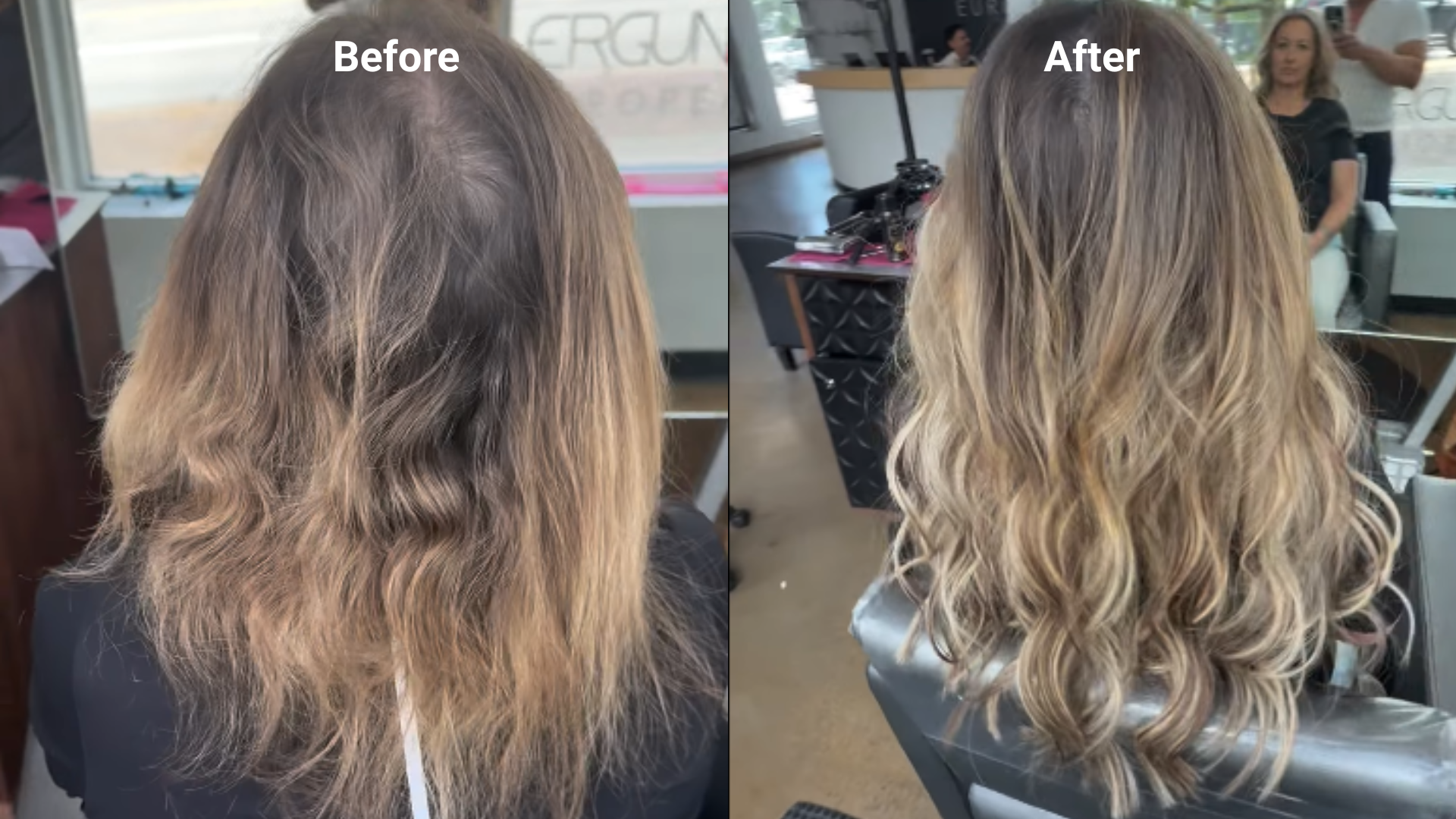
Weft extensions, particularly hand-tied varieties, are often lauded for providing maximum coverage with minimal attachment points. Because the hair is sewn onto a track of beads, there is a significant amount of airflow between the rows, which many clients find more comfortable in hot weather. However, the sheer volume of hair involved in a full weft installation can feel heavy when wet or in high humidity.
The primary concern for weft wearers in the summer is the drying time; moisture trapped in the tracks can lead to scalp irritation if not thoroughly dried with a blow dryer after swimming or showering. To explore the differences in these installations, you can view our detailed breakdown of best hair extensions denver to see which weft style aligns with your summer lifestyle.
The Summer Gold Standard: Keratin Bond (K-Tip) Extensions
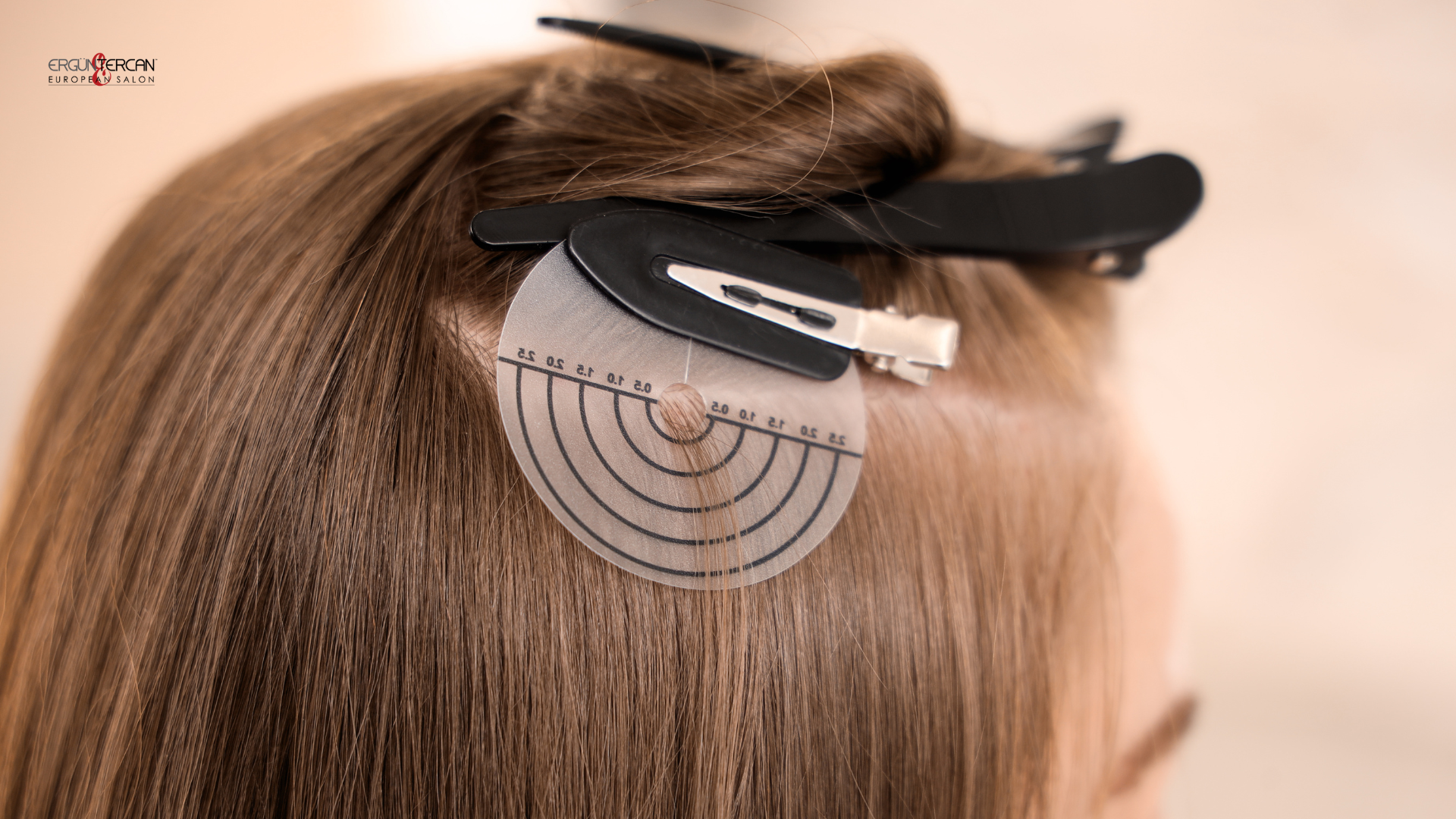
For the ultimate performance in hot weather, Keratin Bond extensions—often referred to as K-Tips remain the undisputed expert choice. Unlike tape or weft methods, K-Tips consist of individual strands attached with a high-tech keratin polymer that mimics the molecular structure of natural hair. This method offers 360-degree movement and unparalleled breathability, as the scalp is not obstructed by wide tabs or heavy tracks. Because the bonds are small and discrete, they allow for effortless high ponytails and top-knots, which are essential for staying cool.
Furthermore, keratin bonds are exceptionally resilient against the oils and perspiration that common summer activities produce. If you are looking for a transformation that thrives in the heat, we invite you to experience the K-Tip difference.
Professional Maintenance and Scalp Health
Regardless of the method you choose, the health of your natural hair is dependent on professional maintenance and the use of high-quality products. In the heat, the scalp's microbiome can change, necessitating a shift in your cleansing routine. We suggest integrating a clarifying yet hydrating regimen to remove mineral buildup from summer water. For a deep dive into maintaining your hair's integrity at home, our guide to at home haircare denver provides the perfect blueprint.
Regular salon check-ups are even more critical in the summer to ensure that environmental stressors are not compromising your natural hair's growth cycle. If you are ready to prepare your hair for the upcoming season, our team is available to assist you in selecting the perfect method for your upcoming travels.
Frequently Asked Questions
Can minerals in hard water affect my extension bonds?
Hard water often found in vacation rentals and hotels contains calcium and magnesium that can accumulate around the bonds. Over time, this buildup can make keratin bonds feel gritty or cause the adhesive on tape-ins to become brittle, making a clarifying treatment post-vacation essential.
What should I do if my extensions get tangled after a day at the beach?
If salt water causes tangling, never try to brush them dry. Apply a generous amount of professional detangling spray or conditioner first, then use a wide-tooth comb starting from the ends and working your way up to the bonds to prevent mechanical breakage.
Is it safe to use sunblock near my extension attachment points?
You must be extremely careful when applying sunscreen, as common ingredients like Avobenzone can cause chemical reactions that turn blonde extensions peach or pink. Always opt for mineral-based sunscreens and keep the lotion away from the hair strands and bonds.
How does sweat affect the lifespan of my hair extension installation?
Salt in sweat can dehydrate the hair and potentially weaken certain adhesives. To prolong the lifespan of your installation during a hot summer, we recommend rinsing the salt off your scalp with fresh water immediately after a heavy workout or a long day outdoors.
Can I use a sauna or steam room with extensions?
Frequent exposure to high heat and steam can soften keratin bonds or weaken tape adhesive over time. If you use a sauna, we recommend wrapping your hair in a cold, damp towel to keep the attachment points at a stable temperature.
Do I need to change my hairbrush for the summer months?
While your standard extension brush works well, using a loop brush or a soft-bristle paddle brush is particularly helpful in the summer. These brushes glide over the bonds without snagging, which is vital when the hair is more prone to environmental tangles.
What happens if I go too long between move-up appointments in hot weather?
During the summer, your hair may grow slightly faster due to increased circulation. Delaying your move-up appointment can cause the extensions to hang too far from the scalp, leading to matting at the root where sweat and oils accumulate.
Enjoying this read?
Expand your expertise by exploring our guide to ensure your look remains flawless throughout your entire journey.