
Human Hair vs Synthetic Extensions in Denver: What’s the Difference?
Why This Question Matters Before You Invest in Hair Extensions
One of the most important decisions a client makes before getting hair extensions is whether to choose human hair or synthetic hair. At first glance, the difference may seem simple, but in reality, the choice affects everything from appearance and maintenance to longevity, styling flexibility, and overall value. Clients often focus on price first, but the better question is which option will perform best for their goals, lifestyle, and expectations.
At Ergun Tercan European Salon, extension consultations are built around education as much as aesthetics. When clients begin researching hair extensions in Denver, they are often comparing price points online without fully understanding the long-term difference between professional human hair extensions and lower-cost synthetic alternatives. That comparison matters because what appears less expensive upfront can often become less wearable, less natural, and less practical over time.
Trying to Decide Which Type of Extensions Is Right for You?
The right extension choice depends on how natural you want the final result to look, how often you style your hair, and how long you want the investment to last. A personalized consultation can help you avoid choosing the wrong type for your hair and lifestyle.
What Human Hair Extensions Actually Are
Human hair extensions are made from real human hair and are designed to behave more like natural hair in both movement and appearance. Because the strands are real, they can typically be customized, toned, styled, and blended far more naturally than synthetic alternatives. They respond to heat styling more predictably, photograph better, and integrate more seamlessly into professional cuts and color work.
This is especially important for clients who want luxury-level results. Human hair extensions can be matched more precisely to natural undertones, density, and texture, which is why they are commonly used in professional customization services. Clients looking for custom hair extensions often do not realize how much the realism of the final result depends on the quality and composition of the hair itself.
What Synthetic Extensions Are and Where They Differ
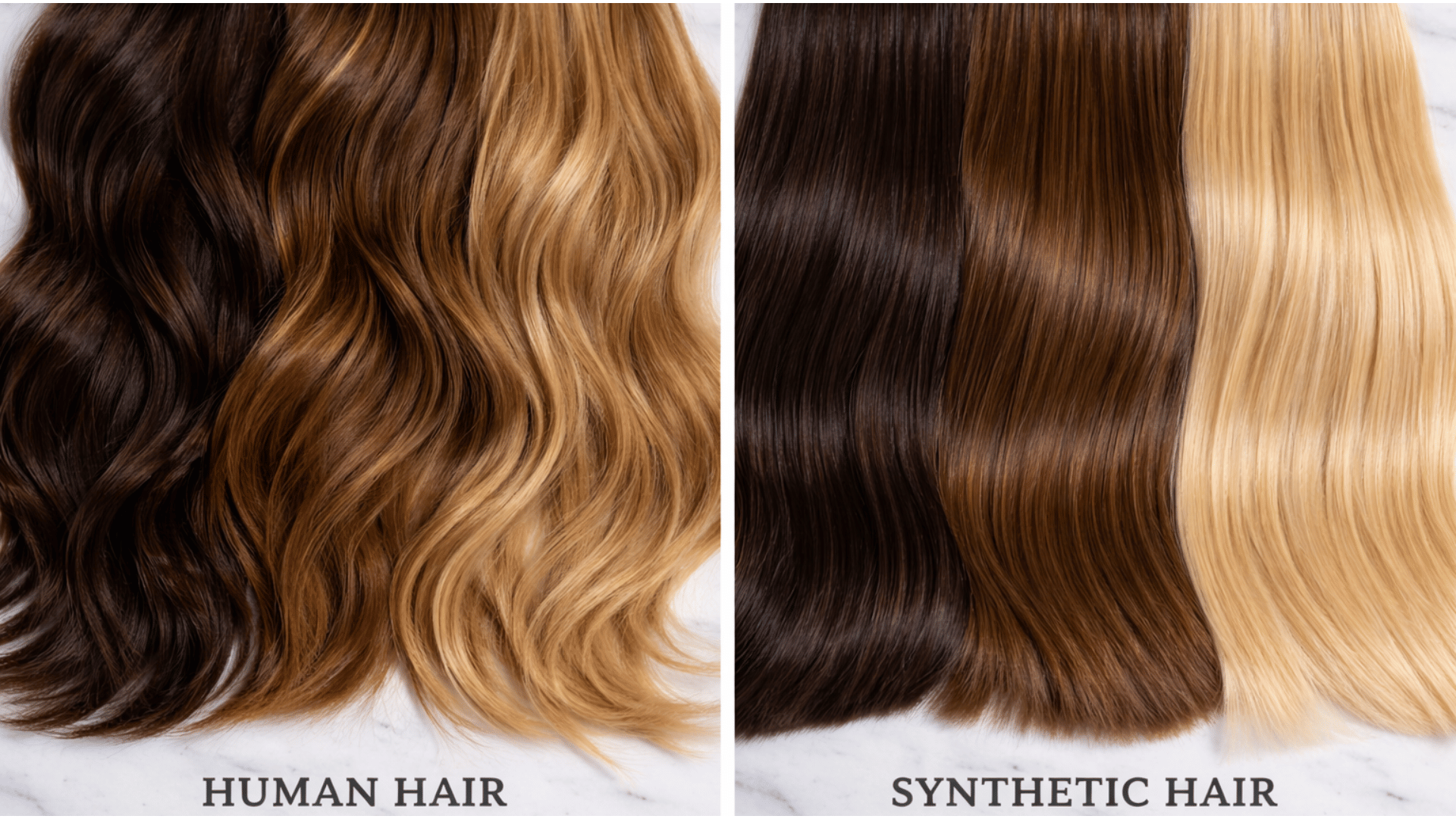
Synthetic extensions are made from manufactured fibers designed to imitate the appearance of hair. Some can look polished at first, especially in controlled lighting or straight styles, but they do not behave the same way as real hair. Synthetic fibers often have a shinier surface, a different texture, and less natural movement, which can make them easier to detect in daylight or close-up.
They also tend to have more limitations. Many synthetic options cannot be heat styled safely, and even those marketed as heat-friendly usually do not perform like human hair over time. They may tangle more easily, lose shape more quickly, and offer fewer opportunities for tonal adjustment or salon customization. For clients seeking a premium, natural-looking result, these limitations are significant.
The Difference in Look and Feel
The most immediate difference between human hair and synthetic extensions is realism. Human hair tends to reflect light more naturally, move with more softness, and blend more convincingly into natural hair. It can be layered, textured, and shaped in ways that make the final result almost undetectable when installed professionally.
Synthetic hair often has a more uniform texture and a surface shine that can appear artificial under direct light. Even when the color appears close, the finish may still look slightly different from the client’s natural hair. This becomes especially noticeable in dimensional color, face-framing sections, or softer lived-in styles. Clients who value undetectable blending often discover that realistic extension work depends on the same kind of customization used in balayage in Denver, where depth, dimension, and softness matter just as much as color itself.
The Difference in Styling and Daily Wear
Human hair extensions generally offer more flexibility in styling. Clients who curl, blow-dry, smooth, or re-style their hair regularly usually benefit from human hair because it behaves more naturally during daily wear. The hair can hold styles, respond to professional products, and adapt to different looks more fluidly.
Synthetic extensions are more limited in everyday use. Some are designed to hold one preset style, which can be helpful for occasional use, but that same feature becomes restrictive when the client wants movement, versatility, or consistency with their own hair. For daily wearers, especially those investing in salon-installed methods, that lack of flexibility often becomes frustrating over time.
Longevity and Long-Term Value
One of the biggest differences between human hair and synthetic extensions is longevity. Human hair typically delivers better long-term value because it remains more wearable, more styleable, and more customizable over time when properly maintained. It is the option most often chosen for premium salon installations because it supports consistency, realism, and a more refined finished result.
Synthetic extensions may cost less initially, but they often have a shorter wearable life and fewer opportunities for maintenance or refinement. For clients comparing immediate price alone, synthetic hair may appear more affordable. For clients comparing performance over time, human hair usually proves to be the better investment. This is similar to the decision many clients make when weighing hair extensions vs growing your hair out, where the real value lies in long-term results rather than just the initial cost.
Want Help Choosing the Better Long-Term Investment?
Extensions should be selected based on your hair goals, styling habits, and desired longevity. If you want guidance on which type will actually work for your routine, professional advice can save time and money.

Customization: Where Human Hair Extensions Clearly Stand Out
Customization is where human hair extensions separate themselves most clearly from synthetic alternatives. Real hair can be selected and refined based on undertone, density, texture, and final style goals. It can be custom-toned when necessary, layered into the haircut, and blended with a precision that is difficult to replicate with synthetic fibers.
For clients who want their extensions to look like their own hair at its best, this level of refinement matters. Professional stylists often evaluate tone, density distribution, and cut structure in the same way they would when performing hair color services in Denver, because the goal is not simply to add length but to create a result that feels believable, balanced, and luxurious.
Who Usually Benefits Most from Synthetic Extensions
Synthetic extensions may still have a place for some users. They can be practical for occasional wear, costume styling, very short-term use, or clients who are not looking for daily styling flexibility. They may suit situations where the goal is temporary visual change rather than long-term integration into the natural hair.
However, for clients seeking salon-quality, wearable, natural-looking results, synthetic hair is rarely the preferred choice. When expectations are high, especially in luxury salon settings, the limitations of synthetic hair become more obvious. This is why most premium installations focus on human hair systems designed for comfort, longevity, and realistic blending.
Who Usually Benefits Most from Human Hair Extensions
Human hair extensions are usually the better option for clients who wear extensions regularly, want them to move and style like natural hair, and care deeply about realism. They are especially suitable for clients seeking seamless blending, customized color, and a refined final finish that looks elevated rather than obvious.
This is particularly important for clients with dimensional color, fine-to-medium textures, or highly visible face-framing sections where mismatch is easier to see. Clients looking for professional results often begin by reading about the future of hair extensions and then realize that quality, customization, and hair health are now central to modern extension decisions.
The Better Choice Depends on the Result You Want
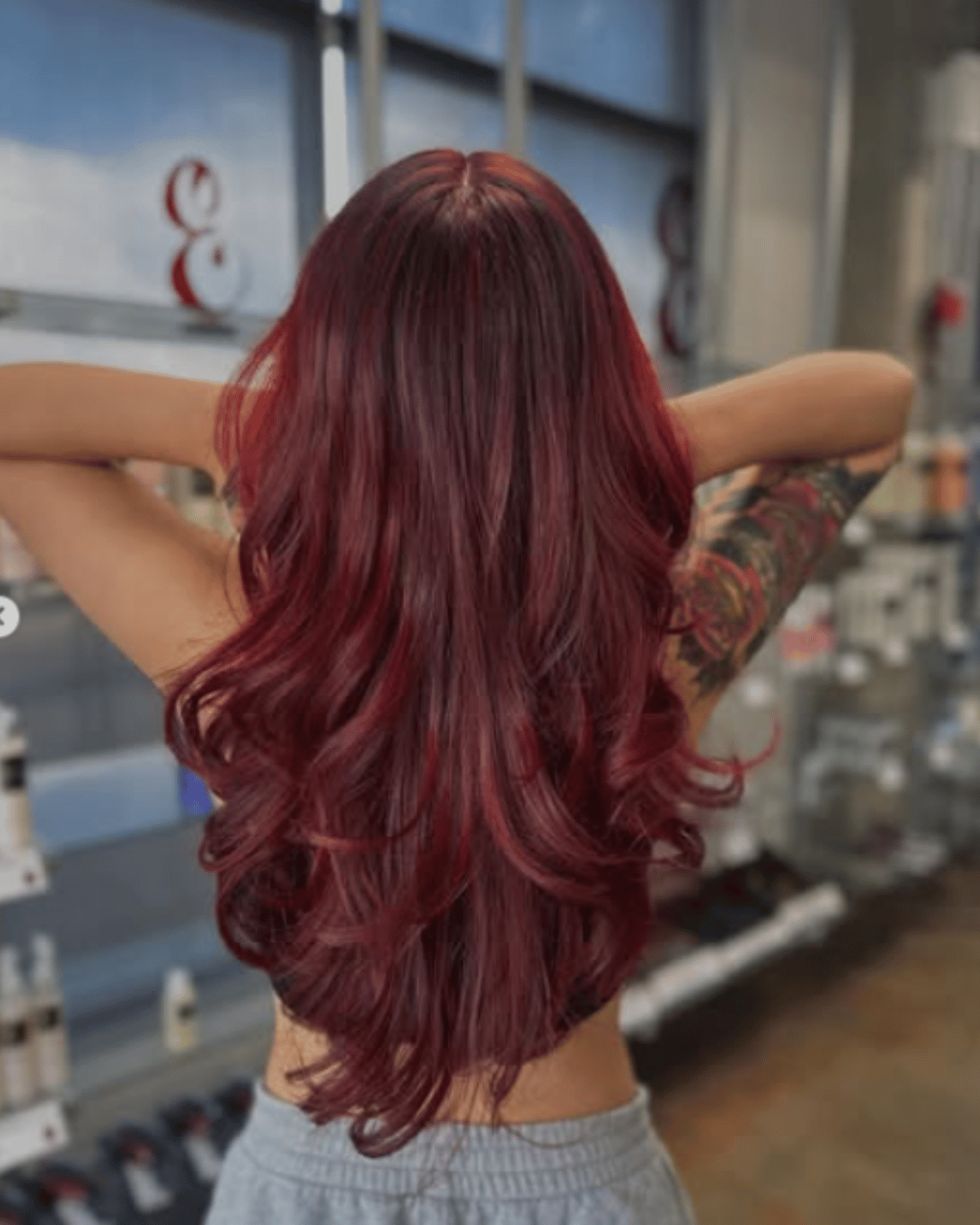
The question is not simply whether human hair or synthetic hair is better in general. The better question is which option aligns with your expectations. If your priority is a temporary look with a lower upfront cost and limited styling needs, synthetic hair may be enough. If your priority is natural movement, custom blending, and a result that feels elevated in daily life, human hair is usually the stronger choice.
Professional extension consultations help clarify this difference before money is spent on the wrong option. The goal is to match the extension type not just to a budget, but to the client’s real lifestyle and visual expectations.
Enjoying This Read? Here Are a Few More Expert Guides You May Find Helpful.
If you are exploring hair extensions, customization, or long-term hair investments, these related guides can help you continue your research with more confidence.